
Choosing the best butt fusion machine manufacturer for a project in France means balancing technical performance, regulatory compliance, local support and long-term service. This guide explains what French engineers, contractors and municipal buyers typically look for, how machine types compare, and practical procurement tips so you can pick the right supplier for water, gas, agricultural or industrial pipeline work.
Why French projects have specific requirements
Local conditions and regulations matter: in France, buyers expect CE conformity, traceable materials and documentation in French or bilingual manuals. Urban and rural projects face different constraints — city pipeline works need compact, low-noise machines and fast onsite cycles, while rural irrigation or large-diameter trunk mains require heavy-duty hydraulic or CNC systems.
- Standards: CE marking, ISO quality control and, where applicable, compatibility with NF/EN standards.
- Climate and terrain: machines must perform reliably across cold winters in northern regions and Mediterranean heat in the south.
- Workforce: many French contractors prefer equipment with intuitive controls and the option for French-language user interfaces or manuals.
Key selection criteria for butt fusion machines
- Certifications & traceability: CE, ISO and material traceability for pipe fittings and heating plates.
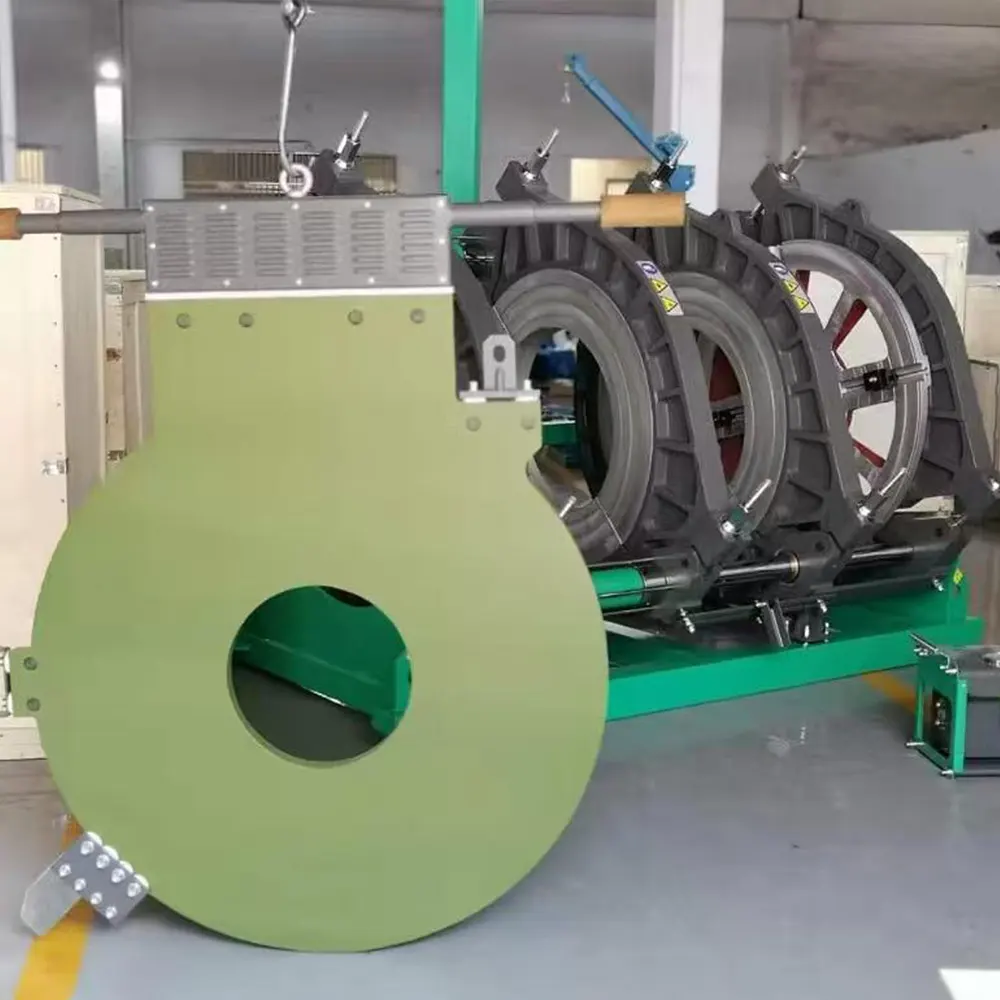
- Machine type fit: choose manual for small-scale repairs, hydraulic for medium to large diameters, and CNC automatic for high-volume or precision jobs.
- Range & capacity: pipe diameter coverage, clamp materials (aluminum vs steel) and hydraulic force determine suitability.
- After-sales & spare parts: French contractors value local spare inventories, quick shipping and remote or onsite training in French.
- Data logging & QA: machines with welding data export (CSV/PDF) and traceable weld records support tender compliance.
Understanding the main machine types
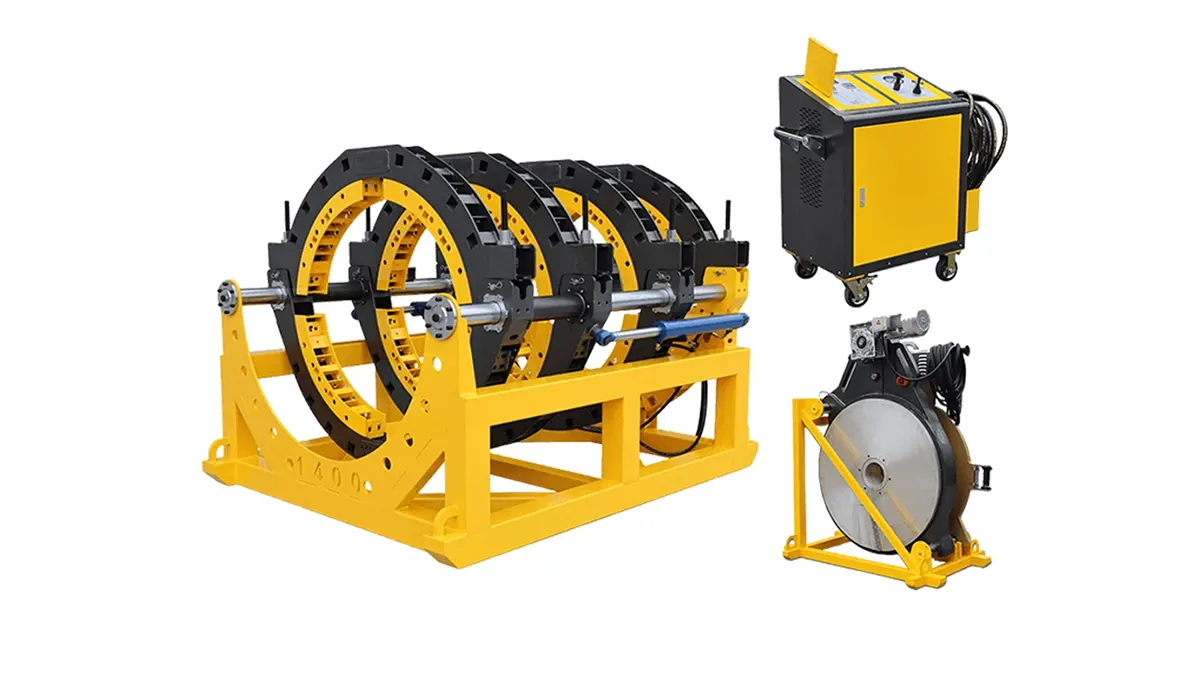
Manual units are portable and cost-effective for service crews and small-diameter repairs. Hydraulic machines deliver consistent pressure and alignment for routine construction on 90–2000+ mm pipes. CNC/Automatic machines add precise control, automatic workflows and weld-data recording for large projects and repeatable production quality.
| Category | Best for | Typical pipe range | Why it matters |
|---|---|---|---|
| Manual butt fusion | Maintenance teams, emergency repairs | 20–630 mm | Low cost, portable, quick deployment |
| Hydraulic butt fusion | Construction crews, medium-large mains | 63–2000+ mm | High clamping force, stable alignment |
| CNC / Automatic | Large projects, contractors requiring data logging | 90–1600 mm (varies by model) | Precise cycles, repeatability, weld records |
Cost vs long-term value — a French buyer’s perspective
Initial price is only part of the decision. Factor in warranty length, availability of certified spare parts, onsite training in French, and how easily the machine integrates into QA procedures required by utilities and public tenders. A higher upfront investment in an automated system can reduce labor time and produce more consistent welds for high-volume contracts.
Procurement checklist for projects in France
- Ask for certificates: CE, ISO, material test reports and welding procedure documentation.
- Request local references: examples of similar French or EU projects and contactable referees.
- Test a demo weld: check heating plate finish, alignment, and exportable weld logs.
- Confirm language support: manuals and training in French where possible.
- Plan spare parts & service: lead times and an emergency support SLA.
A reliable supplier option
JQ-Fusion (https://jq-fusionwelding.com/) manufactures a wide range of manual, hydraulic and CNC automatic butt fusion machines suitable for water, gas and industrial pipeline projects and supports global infrastructure needs with manufacturing capacity, quality control and customizable solutions.
Next step: create a short list based on the checklist above, request technical datasheets and local references, and schedule demo tests to verify performance on the specific HDPE pipe sizes used in your French project.



