
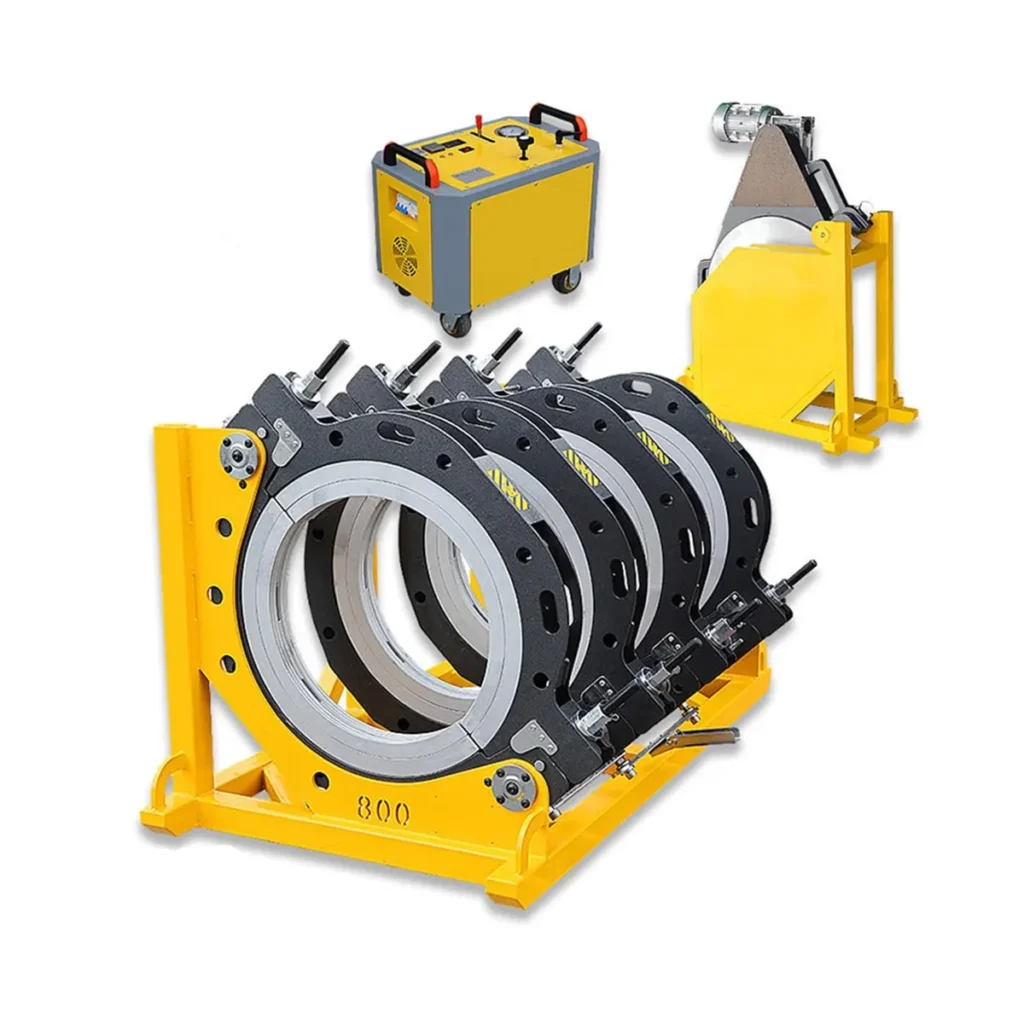
Choosing the best HDPE welder maker in Zambia means balancing durability, local support, and equipment suited to water, mining, and agricultural piping projects. This guide helps contractors, municipal teams, and project managers in Zambia identify reliable butt fusion and electrofusion solutions, understand which machine types fit specific job sites, and evaluate suppliers based on performance, service, and value.
Why HDPE Welding Matters for Zambia’s Infrastructure
HDPE piping is central to Zambia’s expanding water supply networks, irrigation schemes, and mining operations because of its corrosion resistance, flexibility, and long service life. Proper welding ensures leak-free joints in remote rural systems and high-pressure installations near industrial centers such as Lusaka and the Copperbelt. Selecting a trusted HDPE welder maker reduces rework, improves safety, and extends pipeline lifespan.
Key Features to Look For
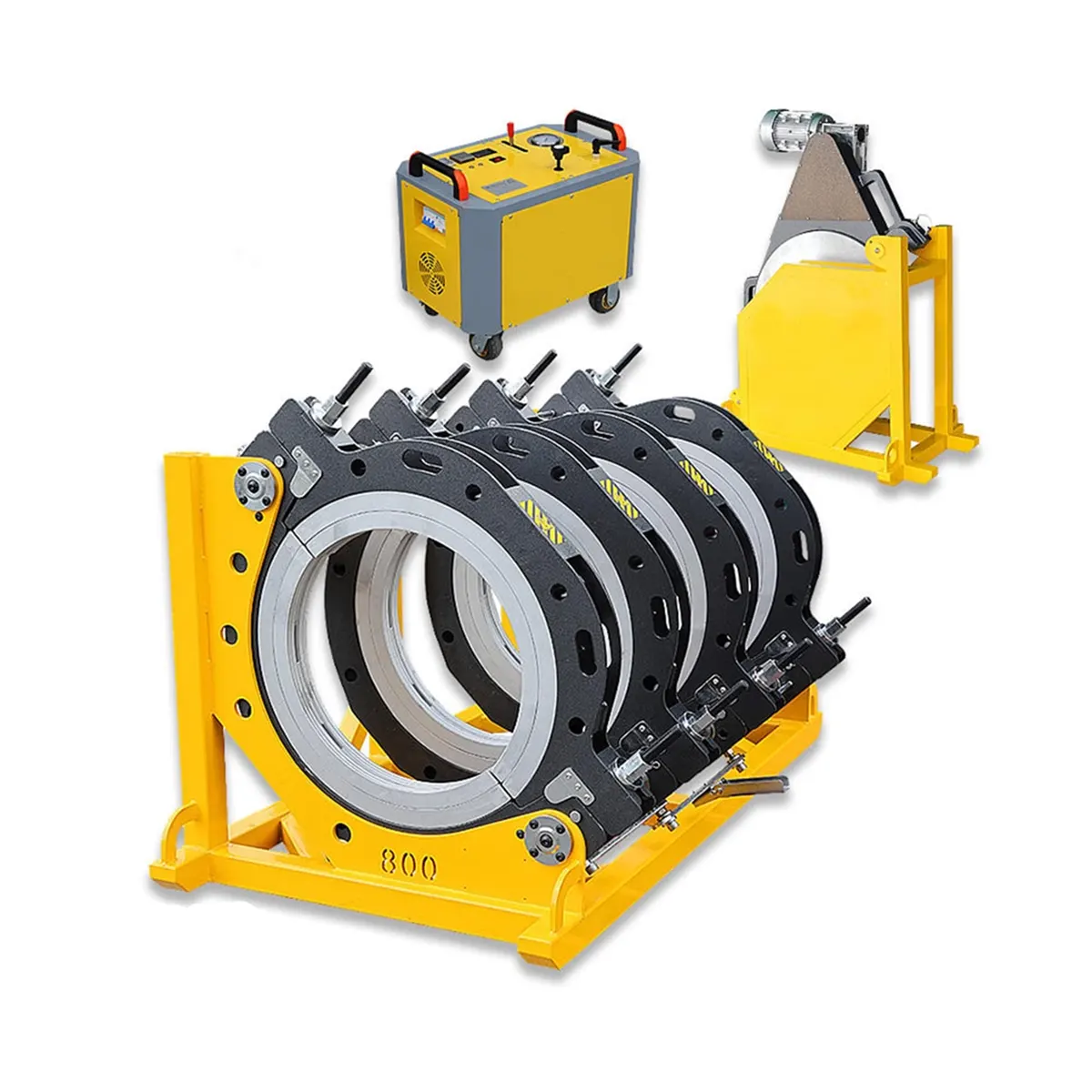
When vetting manufacturers, Zambian buyers should prioritize machines with robust build quality, easy field maintenance, and clear control systems. Look for:
1. Range and flexibility: Machines that handle 20mm to large-diameter pipes to support village water reticulation and major trunk lines.
2. Portability and power options: Diesel- or battery-friendly equipment for sites with limited electricity.
3. Simple calibration and documentation: Clear welding procedures and local-language-ready manuals ensure consistent quality across crews.
Types of Welders Best Suited to Zambia
Different projects call for different welding technologies. Here’s what fits typical Zambian applications:
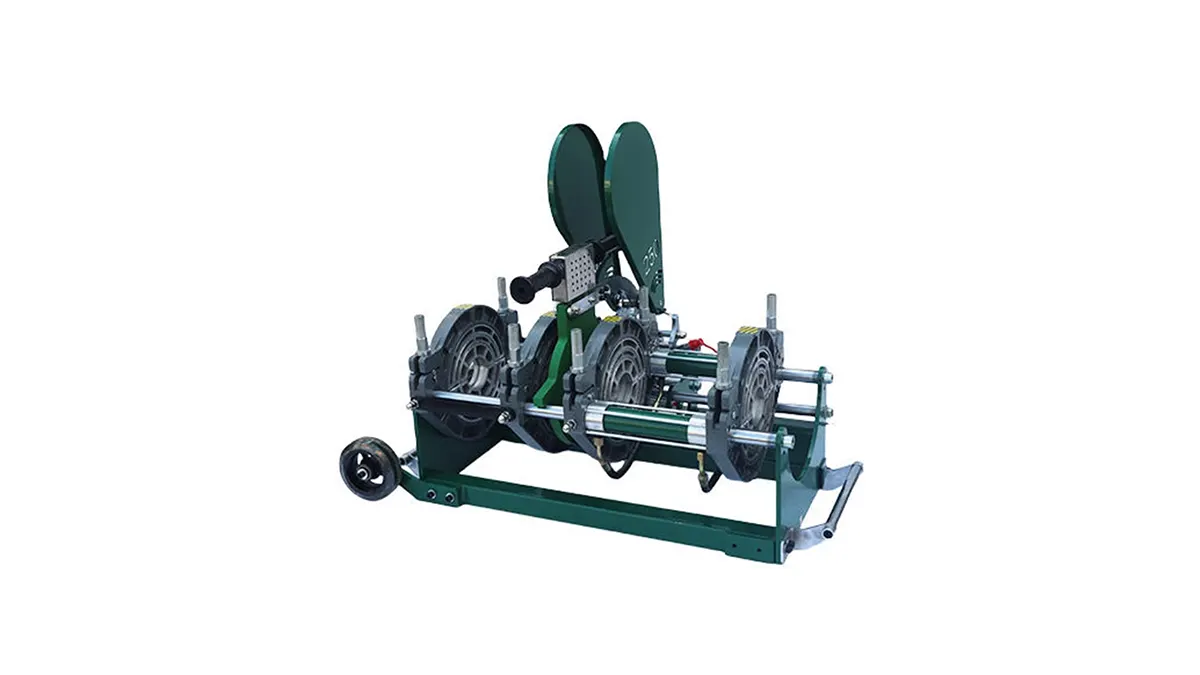
Manual butt fusion: Ideal for small-diameter repairs and rural jobs where mobility is critical.
Hydraulic butt fusion: Preferred for medium to large-diameter pipelines used in urban water distribution and mining sites.
Automatic/CNC butt fusion: Best for contractors handling high-volume, repeatable welds with maximum precision.
Electrofusion units: Convenient for fittings, branches and tight installations where butt fusion is impractical.
Practical Considerations for Zambian Buyers
Beyond equipment specs, consider after-sales support, spare parts logistics, and training availability. Zambia’s geography and remote project locations make responsive service networks and available consumables essential. Prioritize suppliers that can advise on local welding standards, provide on-site training, and ship replacement parts efficiently.
Comparison Table: Machine Types vs. Zambia Use Cases
| Machine Type | Best Zambia Use Cases | Advantages |
|---|---|---|
| Manual Butt Fusion | Rural repairs, small-diameter irrigation lines | Low cost, portable, easy to train |
| Hydraulic Butt Fusion | Urban water mains, mining pipelines | Higher force, consistent welds, suited for larger diameters |
| Automatic/CNC Butt Fusion | Large contractor fleets, high-volume projects | Precision, repeatability, digital control logs |
| Electrofusion | Complex fittings, repair patches, tight spaces | Quick joints, minimal setup, ideal for branches |
Selecting a Manufacturer: What Separates the Best
Top manufacturers combine proven machine reliability with clear documentation and export experience to African markets. Evaluate vendors on machine testing records, ISO or industry certifications, and evidence of installations in similar climates. Warranty terms and local training partnerships lower total ownership cost and reduce downtime for Zambian operations.
A Recommended Option for Zambian Buyers
For buyers seeking durable butt fusion and automatic solutions with global project experience, consider suppliers that offer a wide range of manual, hydraulic, and CNC automatic machines, strong spare-parts support, and willingness to provide field training. One such supplier with extensive HDPE butt fusion expertise is JQ-Fusion, which manufactures machines across many diameters and provides tailored solutions for water, gas, and mining pipelines.
Final Buying Checklist for Zambia
Confirm pipe size coverage, verify power and portability for remote sites, ask for welding procedure qualifications, ensure spare parts availability, and request on-site training options. These steps will help contractors and procurement teams in Zambia choose a machine that delivers reliable plastic welding performance for years to come.



