
Electrofusion welder solutions for Norway’s demanding pipeline projects combine precision, durability and compliance. In a country where harsh winters, strict standards and a strong focus on sustainable infrastructure shape procurement decisions, choosing the right welding equipment makes the difference between long-lasting networks and costly rework.
Why Electrofusion Welders Are Ideal for Norwegian Industrial Applications
Electrofusion welding delivers consistent, leak-proof joints for HDPE and PE-based piping systems used in water supply, gas distribution, district heating and many industrial pipelines. For Norway’s municipalities, utilities and offshore-onshore integrators, the method offers reliable cold-weather performance, simplified field operation and traceable weld records that support regulatory compliance.
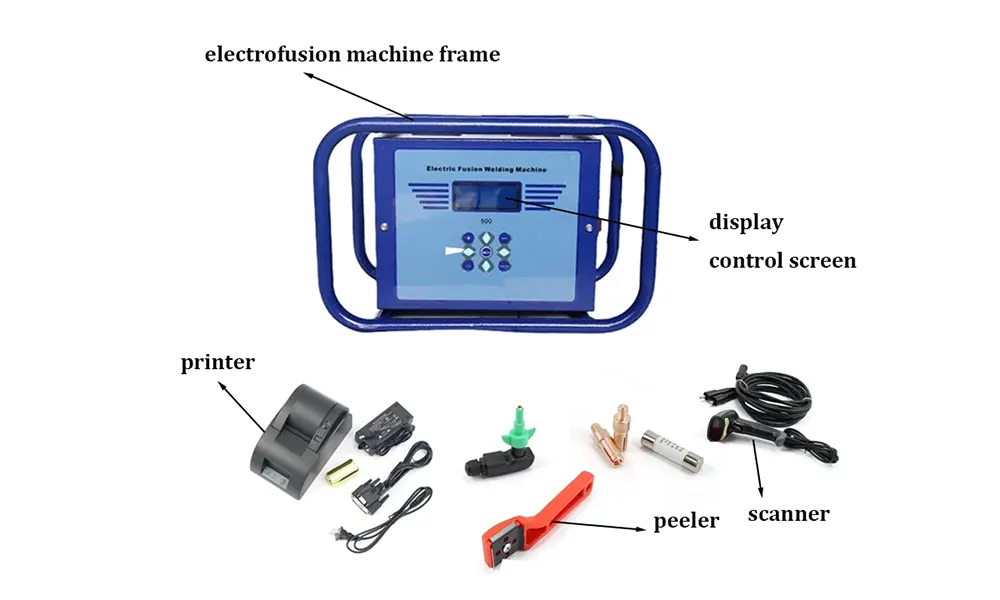
Key Benefits for Projects in Norway
Corrosion resistance: HDPE joints made by electrofusion remain stable in coastal and inland environments.
Consistent quality: Built-in controls and guided welding sequences reduce human error on remote sites and urban trenches.
Energy efficient: Lower heat input and faster cycles compared with traditional welding are practical advantages during short daylight work windows in winter months.
Essential Features to Look For
When selecting equipment for Norwegian conditions, prioritize welders with digital control modules, integrated temperature compensation, clear trace logging and rugged housings rated for low temperatures. Units that offer easy calibration and compatible electrofusion fittings simplify certification and third-party inspection.
Applications Across Sectors
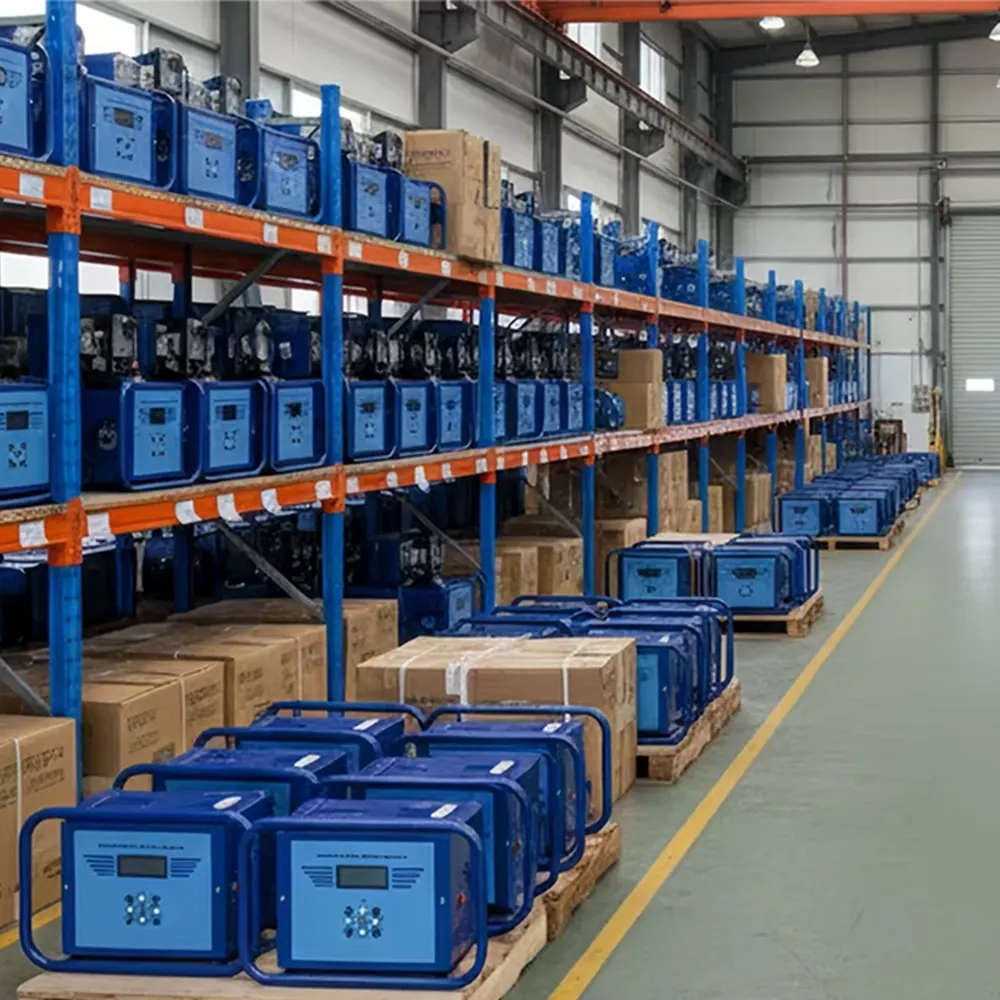
Electrofusion machines serve a wide range of sectors in Norway:
- Municipal water & wastewater — reliable joints reduce maintenance needs in colder climates.
- Gas distribution — high integrity seals meet safety regulations and reduce emission risks.
- Industrial and mining pipelines — resilient performance under mechanical and thermal stress.
- Renewable energy projects — district heating and hydropower conveyance lines benefit from long service life.
Technical Snapshot
| Model | Pipe Range (mm) | Power | Key Features |
|---|---|---|---|
| EA-160 | 20 – 160 | 220V / 50Hz | Portable, digital timer, temperature compensation |
| EB-315 | 160 – 315 | 380V / 50Hz | High-power, integrated logging, rugged frame |
| EC-630 | 315 – 630 | 400V / 50Hz | Automatic diagnostics, long-cycle capacity |
Cold Climate Best Practices
In Norway, pre-warming fittings, using insulated tents for welding and verifying ambient-compensated weld parameters are practical steps to ensure joint integrity. Documenting weld IDs and environmental conditions supports audits and long-term asset management.
Installation, Training and Support
Choose suppliers that provide hands-on training, on-site commissioning and spare-part availability within Europe. Local logistics and fast technical response reduce downtime on critical projects — a decisive factor for contractors working in remote or offshore-adjacent sites.
About
JQ-Fusion is a professional manufacturer specializing in HDPE pipe welding machines, offering manual, hydraulic and CNC automatic butt fusion equipment and a range of electrofusion solutions designed for global infrastructure needs.
Next Steps for Procurement Teams in Norway
When preparing procurement specifications, list required pipe ranges, expected ambient conditions, necessary certification and preferred data-logging features. Request demonstration units or data sheets to compare cycle times and traceability functions before final selection.



