
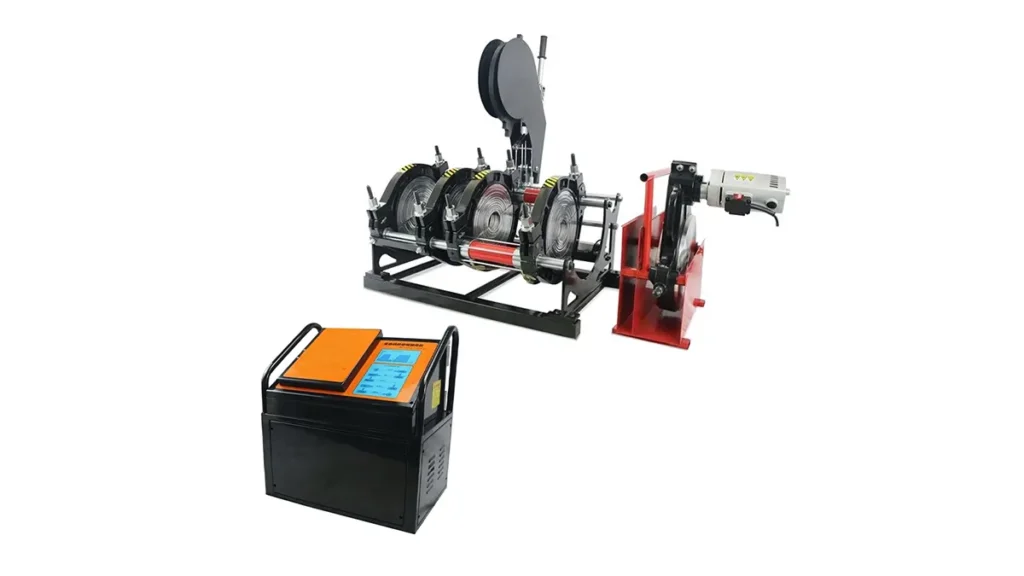
Choosing the best HDPE welder in Luxembourg means balancing precision, portability, and compliance with strict European and local standards. Whether you work for municipal utilities in Luxembourg City, a cross-border contractor near the Moselle, or a small plumbing firm serving rural communes, the right welder ensures leak-free joints, fast installation, and long-term pipeline performance.
Why Luxembourg Needs Reliable HDPE Welding Equipment
Luxembourg’s dense infrastructure network, heavy regulation, and frequent cross-border projects demand welding machines that deliver repeatable quality. Projects range from urban drinking water upgrades and district heating to industrial process lines and gas distribution — each requiring consistent butt fusion or electrofusion results to meet EN and local inspection protocols.
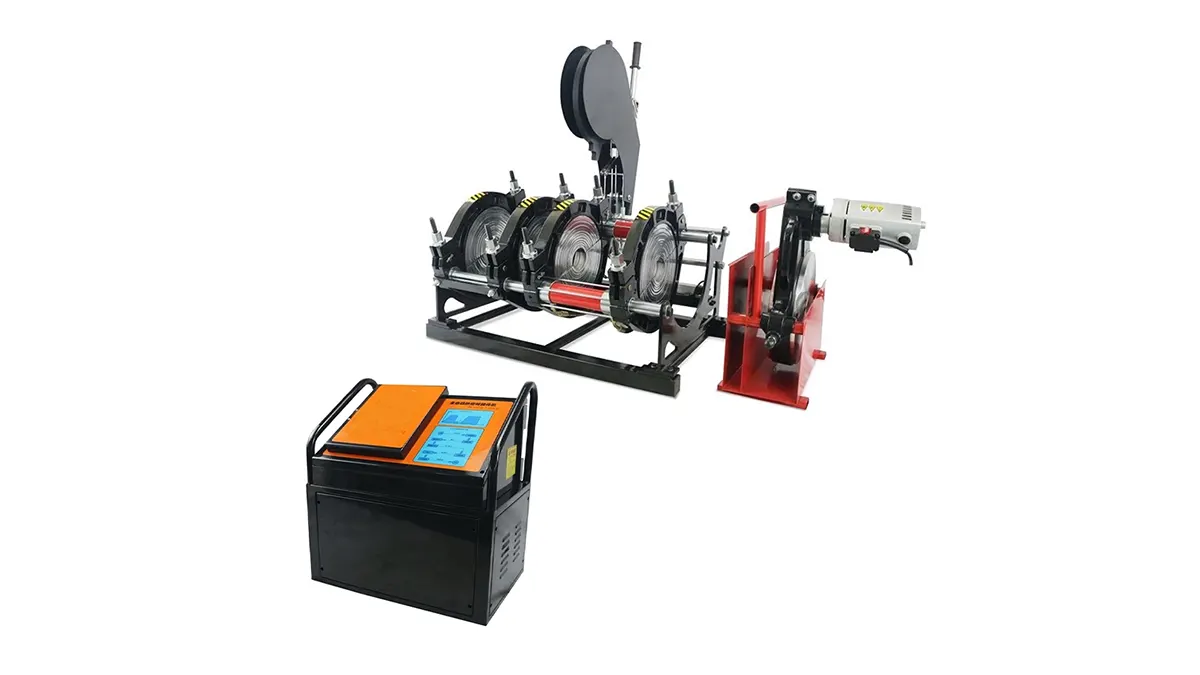
Common HDPE Welder Types — Quick Comparison
Understanding machine types helps match site needs with performance:
Automatic Butt Fusion
Best for medium-to-large projects that need repeatable, digital-controlled cycles and logged weld data for quality assurance.
Hydraulic Butt Fusion
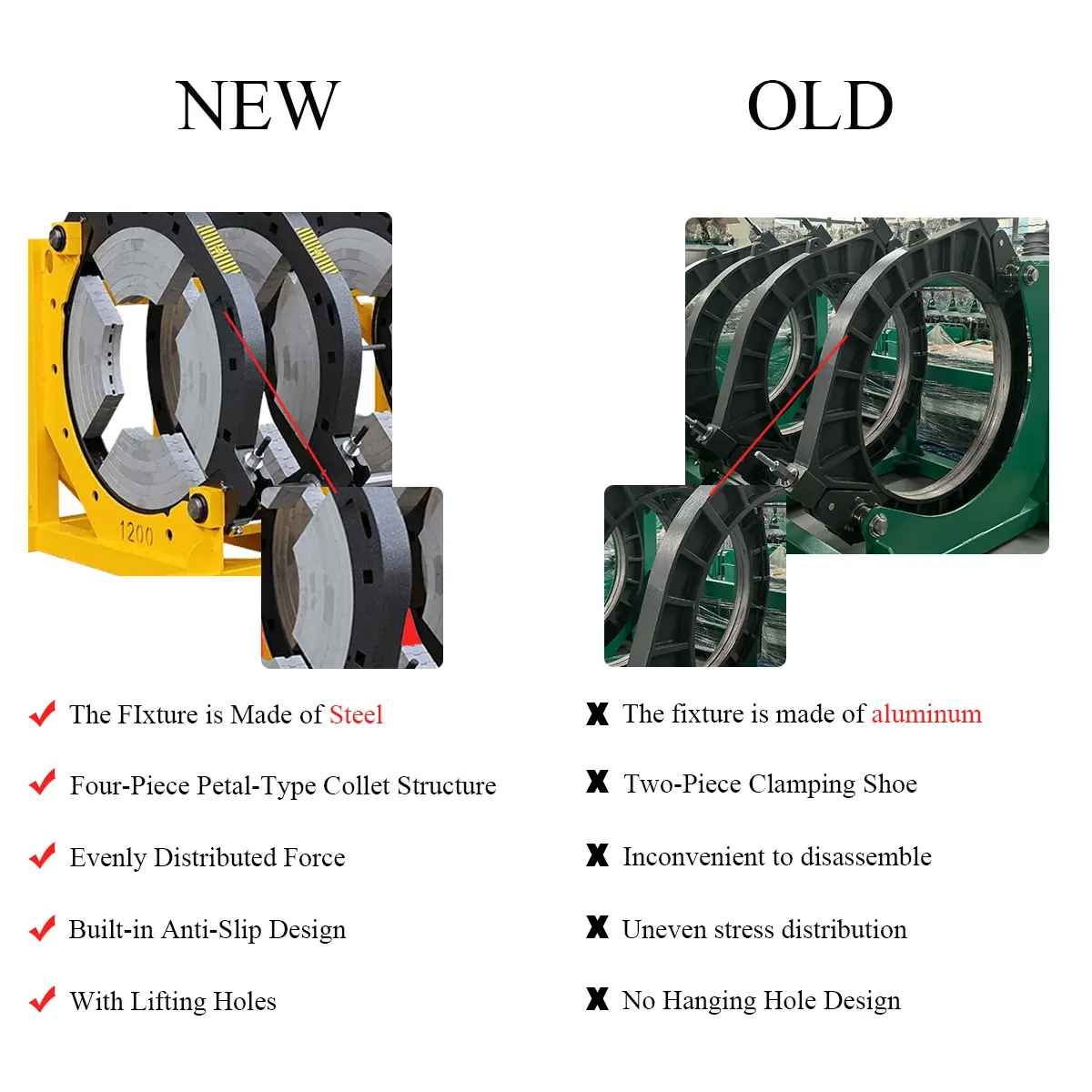
Designed for heavy-duty, large-diameter pipes with higher clamping force and site durability for long runs and trench work.
Manual & Portable Units
Ideal for small repairs, service teams, and tight-access areas — low logistics overhead and easy operator training.
Electrofusion Machines
Suited to fittings, saddles, and repairs where heat fusion plates are impractical. Useful for complex networks and smaller diameter assemblies.
| Machine Type | Best Use | Typical Diameter Range |
|---|---|---|
| Automatic Butt Fusion | Urban pipeline installs, logged welds | 63–1000 mm |
| Hydraulic Butt Fusion | Large-diameter trunk lines, heavy sites | 315–2250+ mm |
| Manual / Portable | Repairs, tight-access jobs | 20–160 mm |
| Electrofusion | Fittings, connections, repairs | 20–630 mm |
Practical Selection Checklist for Luxembourg Projects
• Project scale: Choose automatic machines for frequent welds and rigorous documentation; manual units for maintenance crews.
• Diameter coverage: Match the machine’s clamping range to planned pipe sizes (remember future network expansion).
• Data logging & traceability: For public works and utilities, prefer welders that record cycle data and provide exportable reports.
• Mobility & power: Urban sites favor lighter, battery-friendly units; trench and rural projects benefit from rugged hydraulic systems.
• Operator training: Ensure local teams are certified on chosen processes — consistency is more important than brand prestige.
Standards, Certification & Environmental Considerations
Verify EN, ISO, and local compliance for pressure piping and gas/water installations. Use fusion procedures that pass inspection and minimize rework — especially critical in densely populated Luxembourg municipalities.
Parts, Support & Warranties
Opt for machines with accessible spare parts and responsive service networks. Local distributors or nearby regional partners reduce downtime on cross-border jobs.
A Recommended Path for Buyers in Luxembourg
For municipal contractors and private installers looking for a reliable partner, consider suppliers that offer a range from portable manual units to automatic and hydraulic butt fusion lines. For product inquiries and tailored solutions, visit JQ-Fusion for machine families, datasheets, and customization options.
Final Tip
Match machine capability to your pipeline program: invest in traceable, repeatable fusion for long-life HDPE networks and prioritize local training and spare-part access to keep projects on schedule across Luxembourg and the surrounding Greater Region.



