

Electrofusion welding is a reliable method for joining HDPE pipes widely used across Paraguay for potable water, irrigation networks and small industrial pipelines. This guide explains how an electrofusion welding machine works, why Paraguayan contractors and municipal teams favor it, and practical tips for successful on-site welding.
How Electrofusion Welding Works
The basic principle is simple: an electrofusion fitting contains a built-in heating coil. When the welding machine applies a regulated electric current to the coil, the inside of the fitting and the outer surface of the pipe melt and fuse together under controlled pressure and time. After cooling, the result is a homogeneous, leak-proof joint.
Main Stages of an Electrofusion Cycle
1. Preparation: Clean and scrape the pipe surface to the required depth; ensure pipe ends and fitting are dry and free of contaminants.
2. Clamping: Secure the pipe and fitting in the machine clamps to maintain alignment and contact.
3. Power & Welding Program: Enter the fitting code or select parameters; the machine supplies constant current/voltage according to the program.
4. Fusion: The coil heats the plastic; fusion penetration occurs as both surfaces melt and coalesce.
5. Controlled Cooling: Maintain clamps until the joint cools to the specified temperature to achieve full strength.
Why Electrofusion Is Popular in Paraguay
In Paraguay, contractors and rural water technicians choose electrofusion for its durability and ease of installation in remote areas. Common advantages include reduced excavation time, minimal tools compared with hot plate fusion, and reliable joints ideal for rural water supply systems, small-scale irrigation channels in the Chaco and suburban distribution networks in Asunción and nearby cities.
Key Components of an Electrofusion Welding Machine
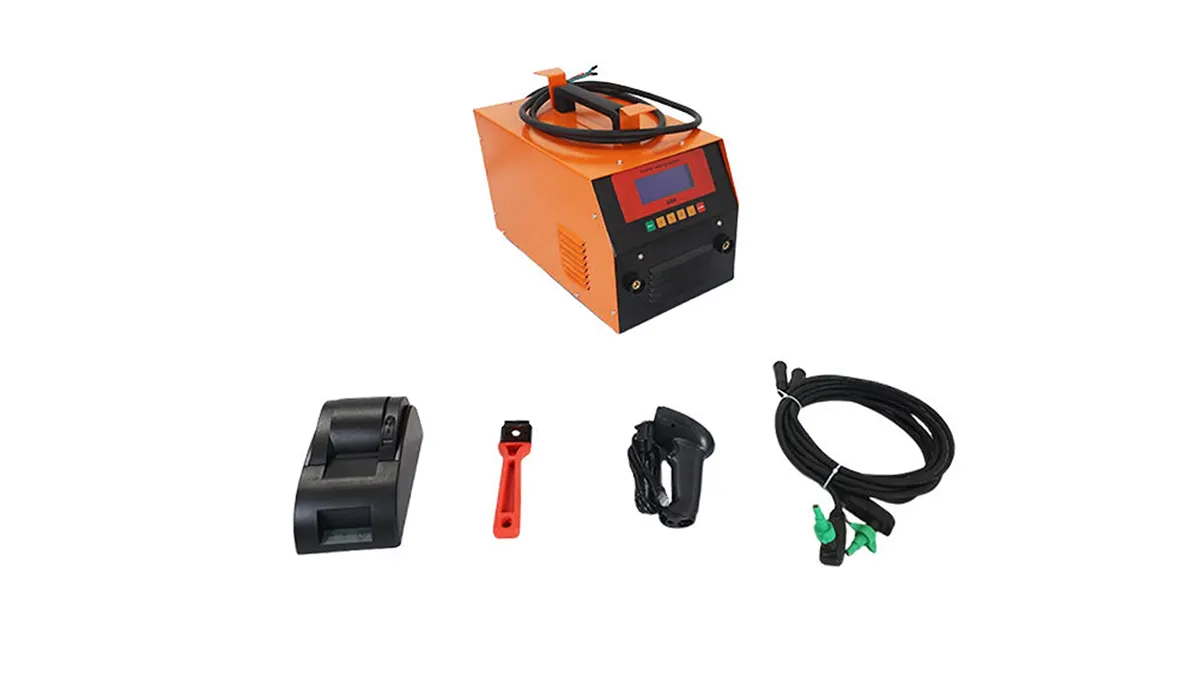
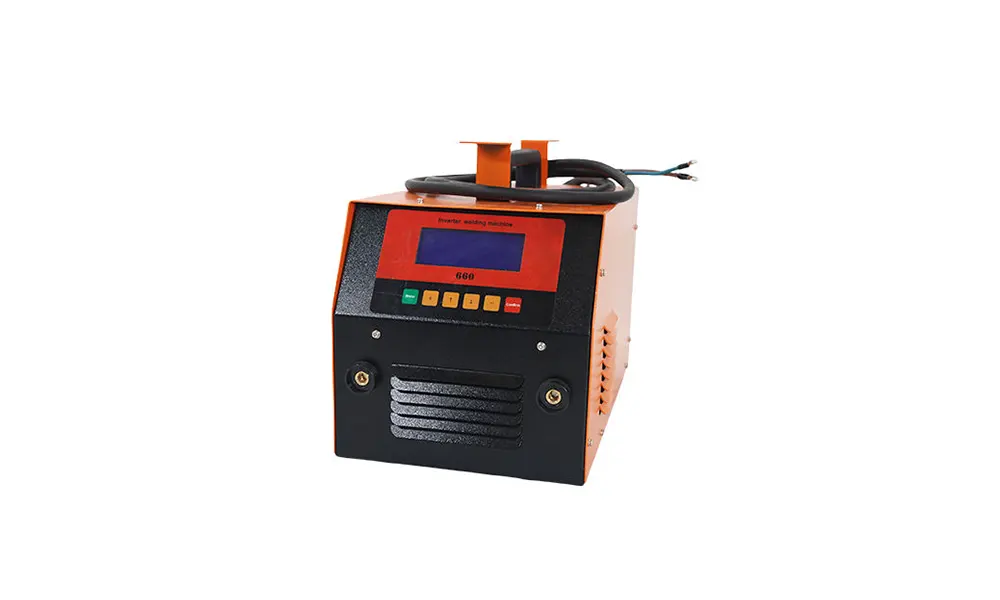
– Control unit with programmable welding parameters and display.
– Clamping frame or carriage to hold pipes and fittings steady.
– High-current connectors and cable set to deliver power to the fitting.
– Cooling timer and safety interlocks to ensure correct cycle times and clamp release only after cooling.
| Specification | Typical Range |
|---|---|
| Voltage Output | 12–48 V (model dependent) |
| Current Capability | Up to 1000 A peak for large fittings |
| Pipe Diameter Range | 20 mm – 630 mm (varies by machine & fittings) |
| Typical Cycle Time | 30 seconds to several minutes (heating) + controlled cooling |
Step-by-Step Best Practices for Paraguayan Sites
1. Verify power source stability: many rural sites in Paraguay have fluctuating mains; use a monitored generator or voltage stabilizer when needed.
2. Preheat consideration: for wet or cold conditions, dry and warm pipe surfaces before scraping.
3. Use certified fittings and follow the fitting barcode/program exactly to avoid under- or over-heating.
4. Keep a welding log: record fitting code, operator, date, ambient conditions and cooling time — essential for municipal projects and QA.
Installation & Site Considerations
Paraguayan geography ranges from humid subtropical in the east to semi-arid in the Chaco. Dust, heat and humidity can affect connectors and electronic displays. Protect the machine with a simple shelter, keep connectors clean and store fittings in dry conditions. For remote projects, plan logistics: transport HDPE coils, fittings and a reliable power source.
Maintenance & Troubleshooting
– Regularly inspect cable insulation, clamp surfaces and connector pins for corrosion.
– Calibrate the control unit and verify output readings with a handheld meter periodically.
– If weld failures occur, review cleaning/scraping depth, clamp pressure and ensure correct program selection.
Choosing the Right Machine for Paraguay
Look for a unit with clear program selection, battery-backed memory for power outages, portable clamping options, and local service support or accessible spare parts. Machines that offer adjustable current profiles and printable welding reports help satisfy municipal procurement requirements.
JQ-Fusion (https://jq-fusionwelding.com/) supplies a range of HDPE welding solutions including electrofusion machines suitable for contractors, utilities and rural water projects across Paraguay.
Quick Tips for Operators
– Always follow the fitting manufacturer’s program.
– Never remove clamps before the specified cooling period.
– Train operators on both electrical safety and proper surface preparation to ensure long-term leak-free installations.



