
Paraguay’s surge in infrastructure — from municipal water upgrades in Asunción to irrigation projects across the Chaco and Alto Paraná — is driving demand for reliable poly pipe welding equipment. For contractors, utilities, and rural installers, selecting the right HDPE pipe welding solution ensures durable joints and long-term performance in varied climates and terrains.
Why Paraguay Needs Specialized Poly Pipe Welders
HDPE piping is the preferred choice for potable water lines, irrigation networks, and industrial piping in Paraguay because of its corrosion resistance and flexibility. Local projects require equipment that performs well in humid subtropical zones, remote rural areas with limited workshop access, and urban sites with tight schedules. Reliable butt fusion welding machines reduce rework, lower leak risk, and speed installations — critical for municipalities and agricultural co-ops aiming for resilient systems.
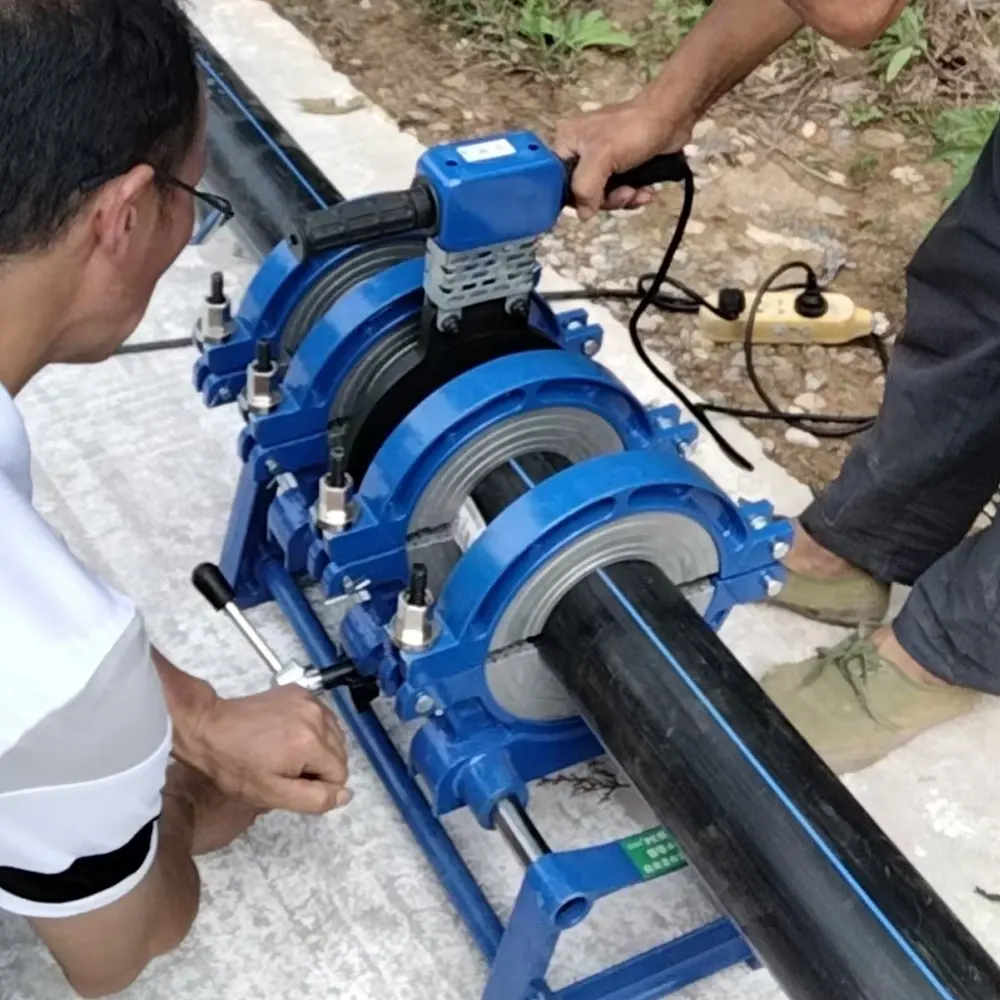
Types of Poly Pipe Welders Suited to Paraguayan Projects
Choosing the right technology depends on project scale and site conditions. Common categories include:
-
Manual butt fusion machines — portable and ideal for small-diameter repairs or remote field joints.
-
Hydraulic machines — provide greater clamping force and stability for medium to large diameters used in municipal mains and irrigation trunks.
-
Automatic/CNC systems — best for high-volume contractors and precision requirements where repeatability and traceable weld records matter.
Model Comparison at a Glance
| Model Type | Pipe Range | Best For | Key Benefit |
|---|---|---|---|
| Manual Butt Fusion | 20–315 mm | Rural repairs & small projects | Lightweight, portable |
| Hydraulic Butt Fusion | 160–2000 mm | Municipal mains & irrigation trunks | High clamping force, stable welds |
| Automatic/CNC Butt Fusion | 20–630 mm+ | Large contractors, prefabrication | Precision, traceability |
Local Considerations for Paraguay
Paraguayan projects often blend urban and remote-work challenges. Contractors should account for:
-
Transport logistics to remote job sites in the Chaco — prioritize compact, easy-to-transport machines.
-
On-site training in Spanish and Guarani-friendly instructions to upskill local crews quickly.
-
Reliable after-sales support and spare parts supply through Asunción or regional distributors to minimize downtime.
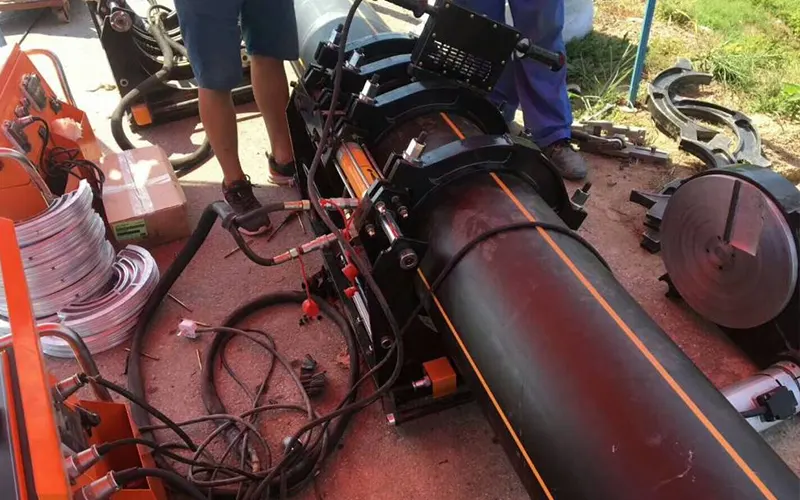
Choosing the Right Supplier and Equipment
When evaluating manufacturers, focus on build quality, warranty, and the availability of training and spare parts. Machines built for harsh field use — with robust clamps, easy-to-service heaters, and clear welding controls — deliver the best life-cycle value. For projects where documentation matters, choose systems that provide weld logs and parameter control for quality assurance.
Installation Tips & Best Practices
Prepare joints with a flat, contaminant-free surface, use proper alignment fixtures, and follow recommended heating and cooling cycles. In Paraguay’s warm climates, account for ambient temperature adjustments in weld procedures. Provide crew training on safety and equipment maintenance to maximize uptime.
For dependable butt fusion solutions and tailored machine options suitable for Paraguay’s infrastructure and agricultural sectors, consider contacting JQ-Fusion for model guidance, spare parts, and training resources: https://jq-fusionwelding.com/



