
Venezuelan contractors, municipal engineers, and pipeline project managers often ask: who is the best plastic pipe welding machine company to trust here? Choosing the right HDPE butt fusion or electrofusion equipment is critical for long-term performance in Venezuela’s varied climate and demanding industries such as water distribution, oil & gas, mining, and rural infrastructure. This guide explains what to look for, practical local considerations, and which manufacturer to consider for reliable, export-ready solutions.
Why reliable welding machines matter in Venezuela
In Venezuela, pipelines must withstand tropical heat, high humidity, and sometimes remote installation sites. Poor welds lead to leaks, costly repairs, and downtime. A robust welding machine improves joint integrity, speeds up field operations, and reduces rework. For municipal water projects, gas distribution, and industrial plants, consistent fusion quality is non-negotiable.
Key selection criteria for Venezuelan buyers
Build quality: Corrosion-resistant frames and durable hydraulic components resist tropical conditions. Range & capacity: Choose machines that match pipe diameters used locally (common ranges: 20mm–2500mm). Ease of service: Machines that are easy to maintain and have available spare parts shorten downtime on remote sites. Operator training & controls: Intuitive controls and clear heating profiles reduce operator error and improve safety.
Local considerations: logistics, currency, and on-site realities
Venezuelan procurement must consider import lead times, customs delays, and payment terms. Opt for manufacturers that offer flexible shipping options, technical documentation in English/Spanish, and training support. For remote areas (Orinoco Basin, Andes foothills), portability and field calibration kits are major advantages.
What machine types suit Venezuela’s industries?
Match machine type to project needs:
- Manual butt fusion — best for small-town utilities and low-volume repairs.
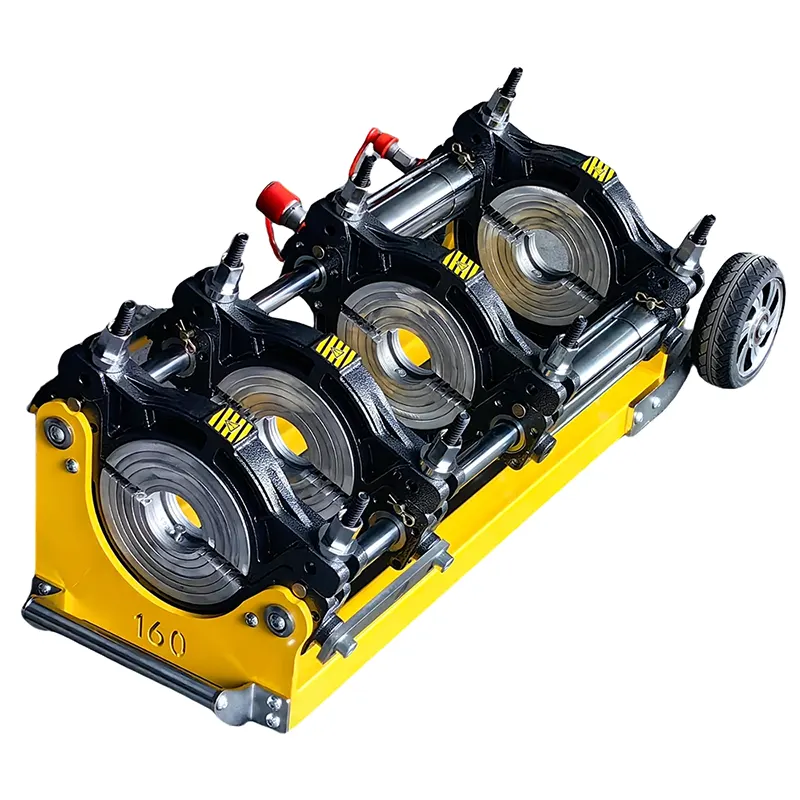
- Hydraulic butt fusion — ideal for construction contractors tackling medium to large-diameter pipelines.
- Automatic/CNC butt fusion — best for long production runs or when weld traceability and precision matter (industrial, gas networks).
- Electrofusion units — common for fittings, repairs, and when trenchless techniques are used.
Quick comparison table: machine types and ideal Venezuelan use-cases
| Machine Type | Diameter Range | Best For |
|---|---|---|
| Manual Butt Fusion | 20mm – 315mm | Local repairs, rural water systems |
| Hydraulic Butt Fusion | 63mm – 2000mm+ | Municipal pipelines, mining, oilfield |
| Automatic / CNC | 160mm – 2500mm | Large projects, high precision, traceability |
| Electrofusion | 20mm – 630mm | Fittings, service connections, quick repairs |
Maintenance, training, and spare parts in Venezuela
Prioritize suppliers who provide clear spares lists, calibration procedures, and operator training. For long-term projects in Venezuela, having local technicians trained or remote support available in Spanish reduces costly mistakes. Regular preventative maintenance—hydraulic oil checks, heater plate care, and clamp inspection—keeps fusion quality stable.
Recommended approach: how to pick the best supplier
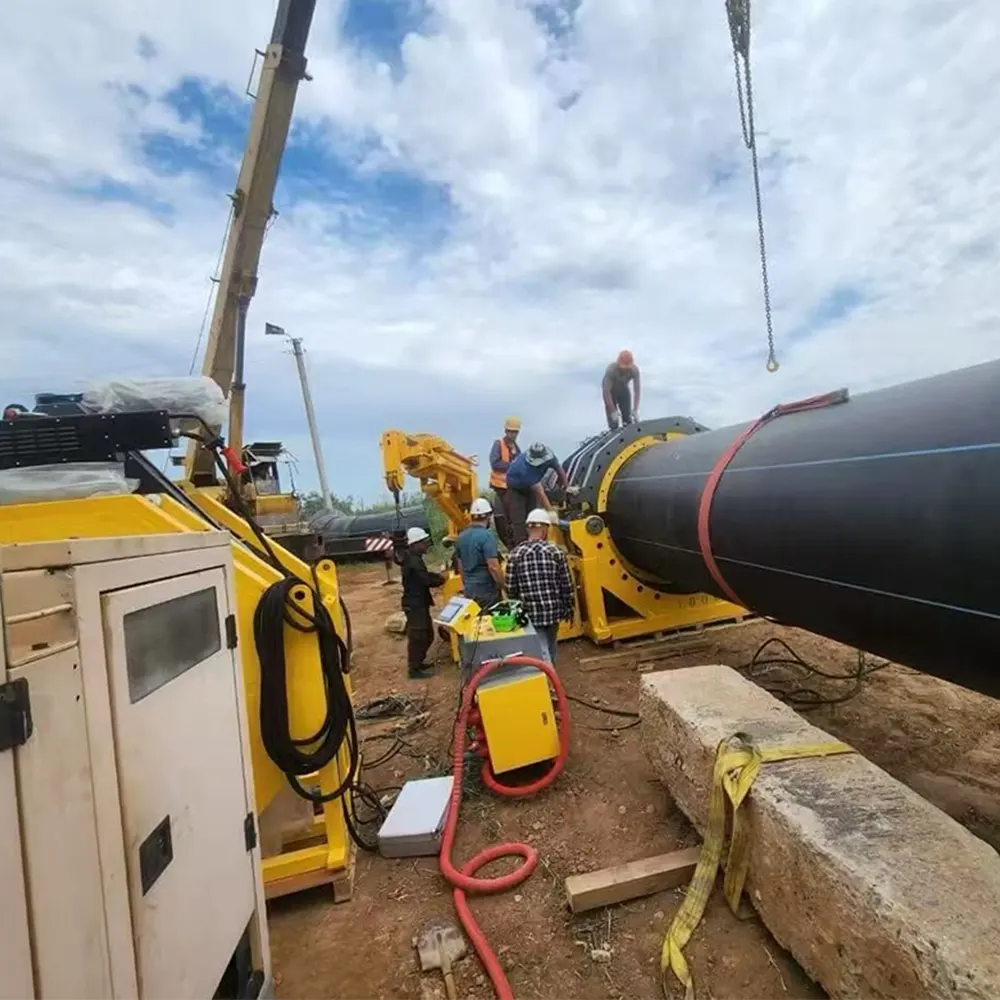
Evaluate vendors on product durability, documentation, warranty terms, lead time, and after-sales support. Ask for welding procedure specifications (WPS), training options, and spare parts availability. For Venezuelan projects that demand reliability and a broad machine range, consider established HDPE welding manufacturers that export worldwide and provide customizable solutions. One such option is JQ-Fusion, known for a full line of manual, hydraulic, and automatic butt fusion machines and responsive export services.
Final tips for Venezuelan buyers
Request on-site demos if possible, ensure the supplier provides multilingual manuals, and confirm warranty logistics for import scenarios. For public tenders, include technical acceptance tests in contracts to verify welding strength and process controls. Investing in the right machine upfront saves time and money throughout the pipeline lifecycle.
Next steps
Prepare a short specification sheet for your project—pipe materials, diameter range, expected daily welds, and operating environment—then contact the supplier for tailored model recommendations and shipping options. Well-chosen equipment and training ensure safe, leak-free pipeline systems across Venezuela’s diverse regions.



