
Searching for a reliable butt fusion welder company in China can feel overwhelming — many buyers want the best balance of price, quality, and service for HDPE pipe welding machines used in water, gas, mining, and industrial pipeline projects. This guide helps engineers, procurement managers, and contractors in China and abroad evaluate suppliers, compare key features, and make confident sourcing decisions.
Know the Types of Butt Fusion Welders
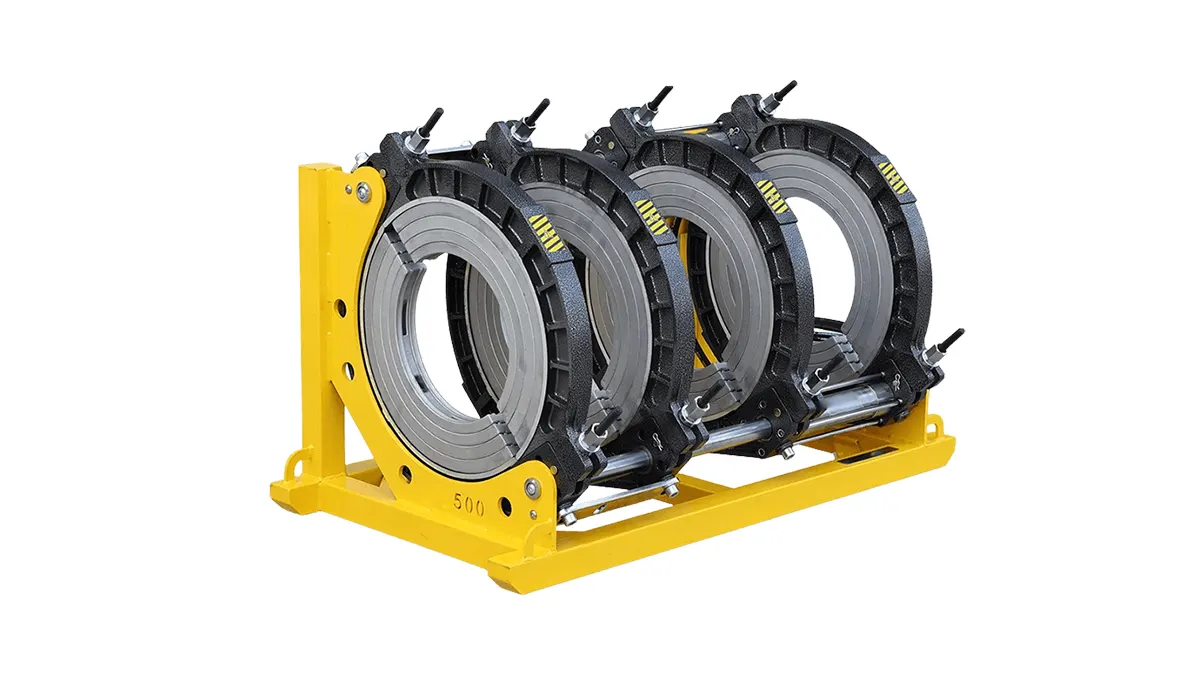
Not every project needs the same equipment. Understanding machine categories helps you match supplier capabilities to your job requirements:
Manual & Portable Machines
Best for small-diameter pipes and on-site repairs. Look for lightweight frames, reliable clamps, and easy-to-replace heating plates.
Hydraulic Welders
Designed for medium to large diameters with stronger clamping force and more consistent pressure control — ideal for municipal and industrial pipelines.
Automatic / CNC Butt Fusion Machines
Offer precision heating, controlled force curves, and digital logging. Essential for high-volume projects and quality assurance records.
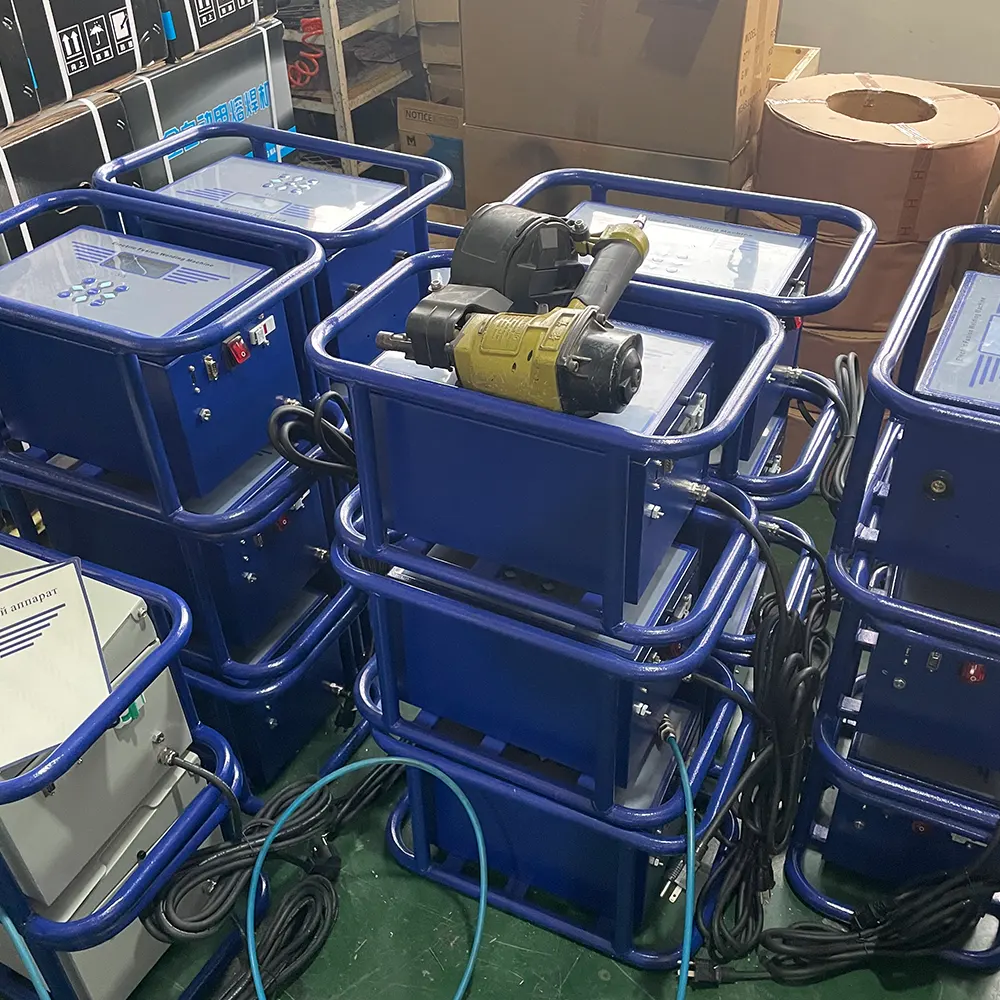
5 Practical Criteria to Choose the Right Supplier
Evaluate suppliers on technical capability, quality systems, service network, compliance with standards, and commercial terms. Below are concrete checkpoints to speed up vendor shortlisting.
1. Technical Range & Customization
Does the supplier manufacture manual, hydraulic, and automatic systems across the diameters you need? For complex urban projects in China, multi-angle fittings and large-diameter frames are often required. Ask about custom fixtures, heating plate sizes, and software options for CNC models.
2. Quality Assurance & Certifications
Check for ISO 9001, CE, and any industry-specific test reports. In China, alignment with GB (Guobiao) standards and recognized test labs gives extra confidence for local contractors and government tenders.
3. After-Sales Service & Spare Parts
Fast spare parts supply and clear maintenance guides reduce downtime. Confirm warranty terms, availability of replacement heating plates and sensors, and whether the supplier provides training or on-site commissioning.
4. Lead Time, MOQ & Pricing
Find a supplier who balances competitive pricing with realistic lead times. Local Chinese manufacturers often offer flexible MOQ and stock units for urgent projects, which benefits contractors working on accelerated schedules.
5. Test Reports, Traceability & Documentation
Demand welding procedure records, calibration certificates, and machine test logs — especially for high-stakes infrastructure. Digital log export from automatic machines is a plus for quality audits.
Quick Supplier Scorecard (Download or Print)
| Checklist Item | What to Expect | Target Rating |
|---|---|---|
| Product Range | Manual, hydraulic, and CNC options | 4/5 |
| Certifications | ISO, CE, GB compliance | 3.5–5/5 |
| Lead Time | Stock units for urgent orders | 2–4 weeks |
| After-Sales | Spare parts, training, local reps | 5/5 |
Questions to Ask During Supplier Evaluation
- Can you provide machine test reports and sample welding logs?
- What is the standard warranty and response time for critical parts?
- Do you support operator training and local technical support in China or the target market?
- Are control systems and software available in English and Chinese?
- What options exist for custom clamps, heating plates, or remote monitoring?
Price vs. Total Cost of Ownership
A low purchase price can be attractive, but prioritize durability, calibration stability, and spare part pricing. Machines that minimize rework and produce consistent, auditable welds reduce lifecycle cost significantly — important for municipal projects and EPC contracts in China.
Local Considerations for Buyers in China
Chinese contractors often require quick delivery, on-site commissioning, and documentation that aligns with local regulatory bodies. Choose suppliers who understand GB standards, provide Chinese-language manuals, and can guide you through inspection and acceptance tests used by provincial utilities and developers.
A Practical Sourcing Workflow
- Shortlist 3–5 suppliers based on product range and certifications.
- Request datasheets, photos of finished machines, and one set of test logs.
- Arrange a factory or virtual inspection; check quality control processes.
- Confirm lead times, spare parts availability, and training plans.
- Negotiate payment, warranty, and shipping terms with clear milestones.
One Final Tip
When qualifying vendors, consider a small pilot order or rental trial to validate machine performance in real working conditions. Real-world tests often reveal installation, handling, and interface issues that documentation alone cannot show. For professional HDPE pipe welding machines and tailored butt fusion solutions, consider contacting JQ-Fusion for product range and technical support.
Need further help?
Use the checklist and scorecard above when comparing quotes. Prioritize traceability, local support, and machine repeatability to ensure successful long-term pipeline performance.



