
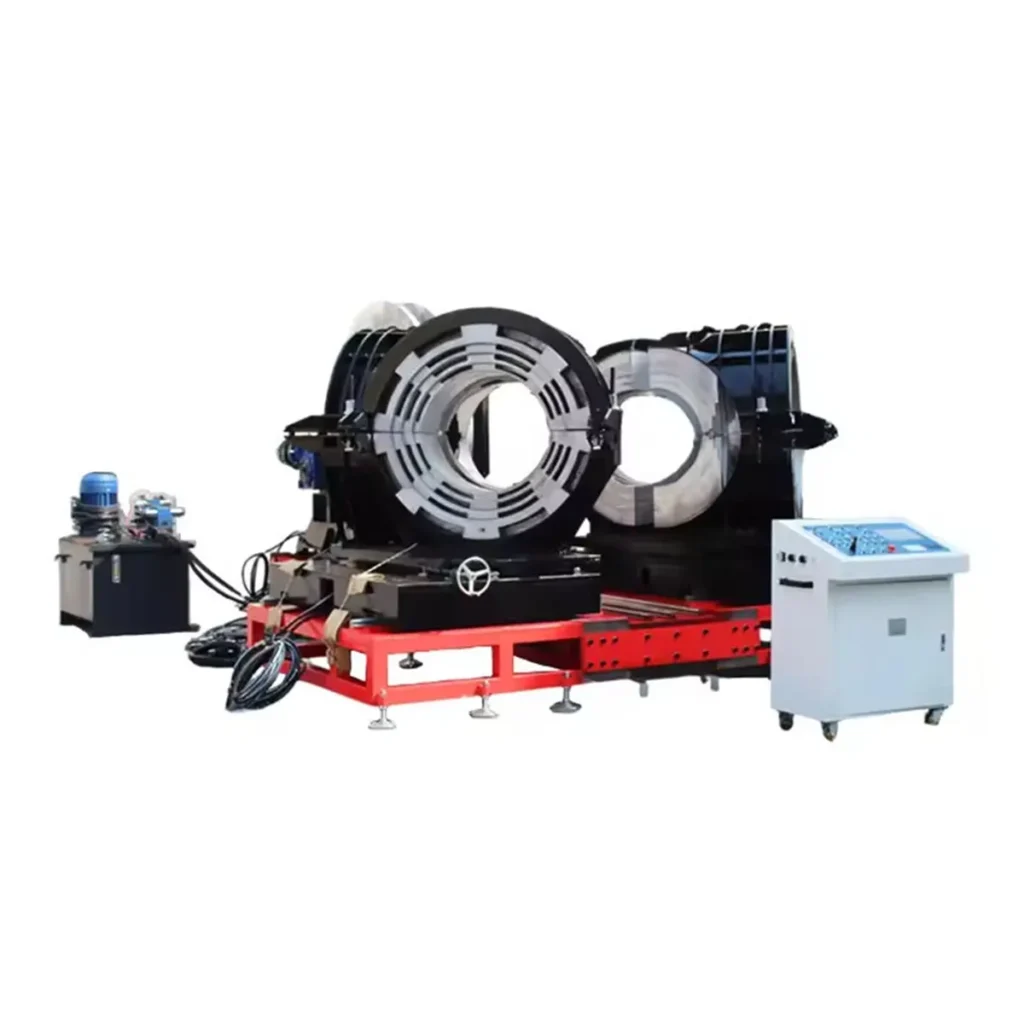
Brunei’s infrastructure growth and expanding industrial sectors demand reliable pipe welding equipment. For contractors, utilities, and EPC firms working on water, gas, and industrial piping projects, choosing the right HDPE pipe welding solution is essential to ensure durable, leak-free networks. This guide explains the options, local considerations, and selection tips for pipe welding machines in Brunei.
Why Brunei Needs Reliable Pipe Welding Solutions
Brunei’s hot, humid climate and growing urban and rural infrastructure projects place unique requirements on pipeline systems. Materials like HDPE are preferred for corrosion resistance and longevity, but success depends on proper welding. Reliable butt fusion and electrofusion equipment reduce joint failures, minimize downtime, and help meet national standards used by municipal water authorities and gas distributors.
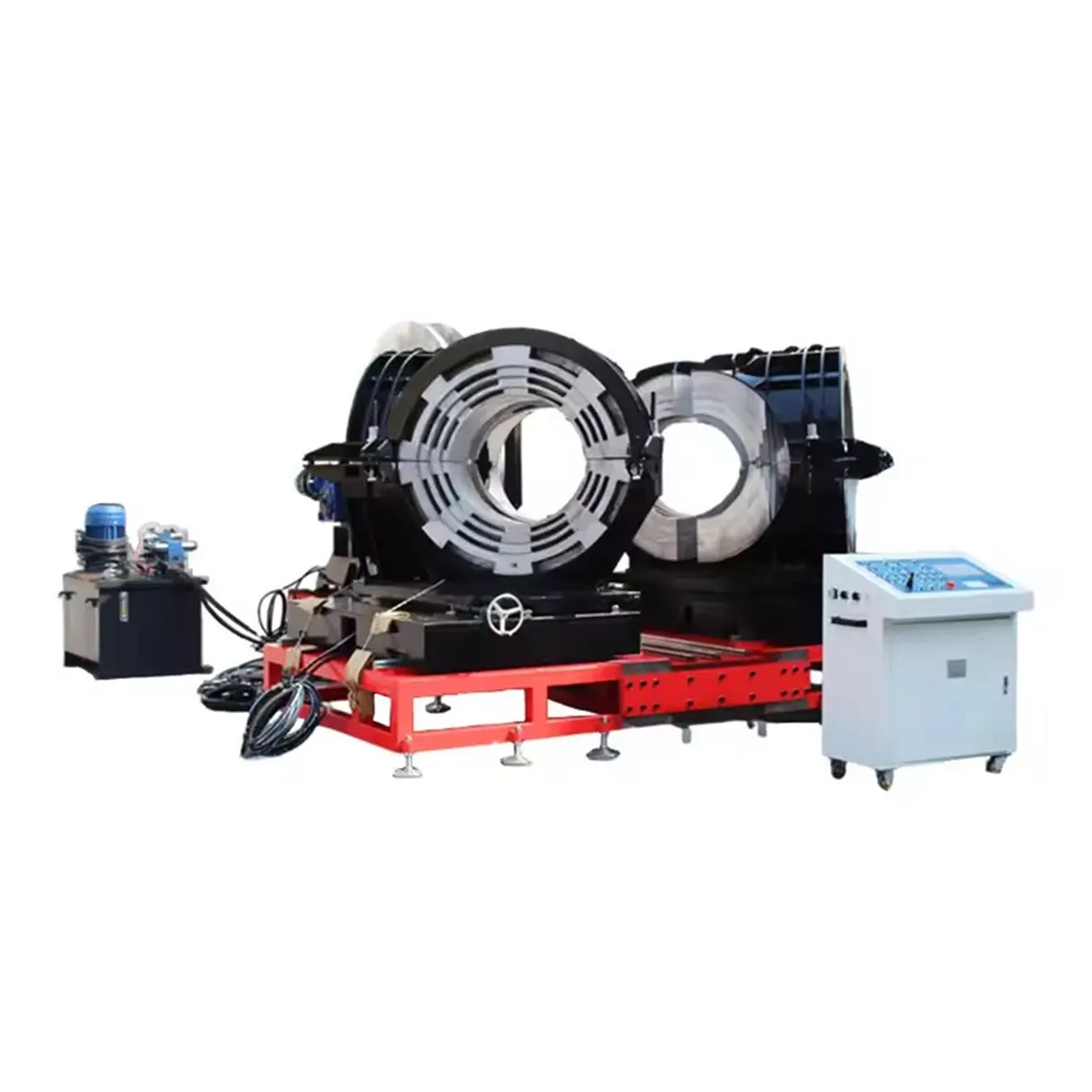
Types of Pipe Welding Machines for Brunei Projects
Manual Butt Fusion Machines — Cost-effective for small teams and remote sites; ideal for rural water connections and small-diameter pipelines.
Hydraulic Butt Fusion Machines — Provide consistent pressure and are suited to medium-to-large diameter HDPE pipes used in municipal and industrial systems.
Automatic / CNC Butt Fusion Machines — Offer precise control, data logging, and faster cycle times for large projects or contractors focused on high production and traceability.
Multi-angle & Fittings Machines — Specialized units to weld fittings and angled joinery, commonly used in complex network layouts.
Quick Comparison Table
| Machine Type | Pipe Range | Best Use |
|---|---|---|
| Manual Butt Fusion | 20mm – 630mm | Small crews, remote repairs |
| Hydraulic Butt Fusion | 63mm – 1600mm+ | Municipal & industrial pipelines |
| Automatic / CNC | 110mm – 2000mm | High-volume projects, QA/QC traceability |
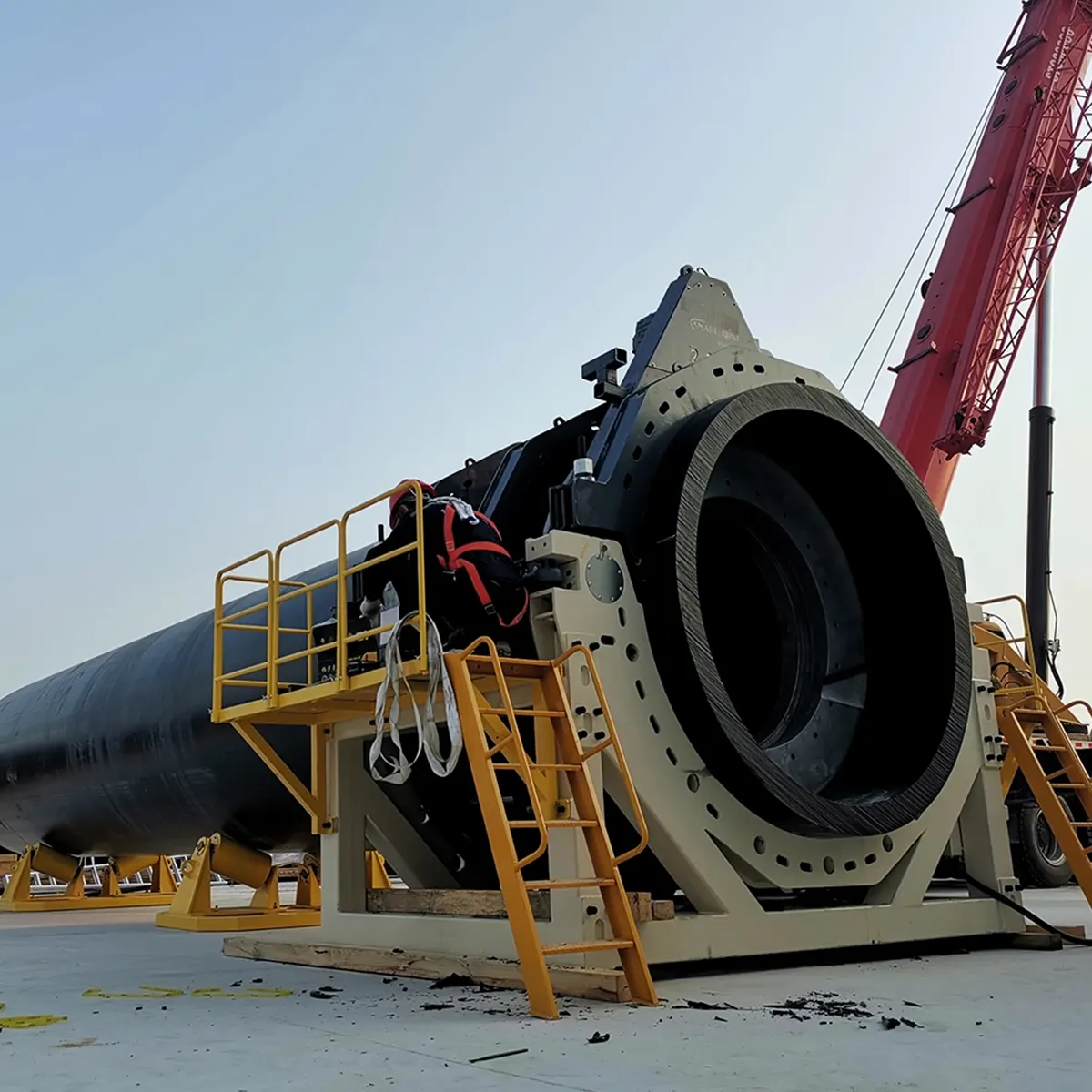
Key Features to Prioritize
Consistent heating elements and accurate pressure control are essential for strong, reproducible joints. Look for machines with robust clamping frames and easy-to-read control panels for on-site conditions in Brunei.
Portability and serviceability matter when working across the country’s islands and coastal zones. Choose equipment with widely available spare parts and straightforward maintenance procedures.
Selecting a Machine for Brunei: Practical Tips
Assess project scale: small community waterworks need manual or compact hydraulic machines, while large utility or industrial projects benefit from hydraulic or automatic systems. Consider operator skill levels: equipment with simple controls reduces training time for local crews. Confirm compliance with regional standards and request welding procedure documentation for QA/QC audits.
Maintenance, Training, and Local Support
Regular calibration of heaters and pressure systems, plus trained technicians, extend machine life and ensure joint integrity in Brunei’s humid environment. Prioritize suppliers who provide spare parts, remote support, and on-site training to reduce downtime.
Make an Informed Choice
For reliable butt fusion solutions, consider manufacturers with proven track records in HDPE pipe welding and international project experience. One such provider is JQ-Fusion, which offers a wide range of manual, hydraulic, and automatic butt fusion machines designed for global infrastructure needs.
If you operate in Brunei and plan pipeline projects, prioritize machines that match your pipe diameters, production targets, and local service requirements to ensure long-term network performance.



