
Choosing the right butt fusion machine for HDPE pipe projects in Norway can make the difference between a reliable, long-lasting pipeline and costly rework. Norway’s cold climate, rugged terrain, and strict infrastructure standards mean you need equipment that performs in low temperatures, travels to remote sites, and complies with European welding norms.
Understand Your Project Requirements
Before comparing models, list the core project parameters: pipe diameter and SDR, expected operating pressure, installation environment (indoors, urban, offshore or remote rural), and required certification (EN, DVS, ISO). Norwegian waterworks, gas distribution, and district heating networks often demand higher traceability and testing records, so plan for machines that can log welding data or integrate with handheld fusion data recorders.
Types of Butt Fusion Machines — Which Suits Norway?
Manual Butt Fusion Machines
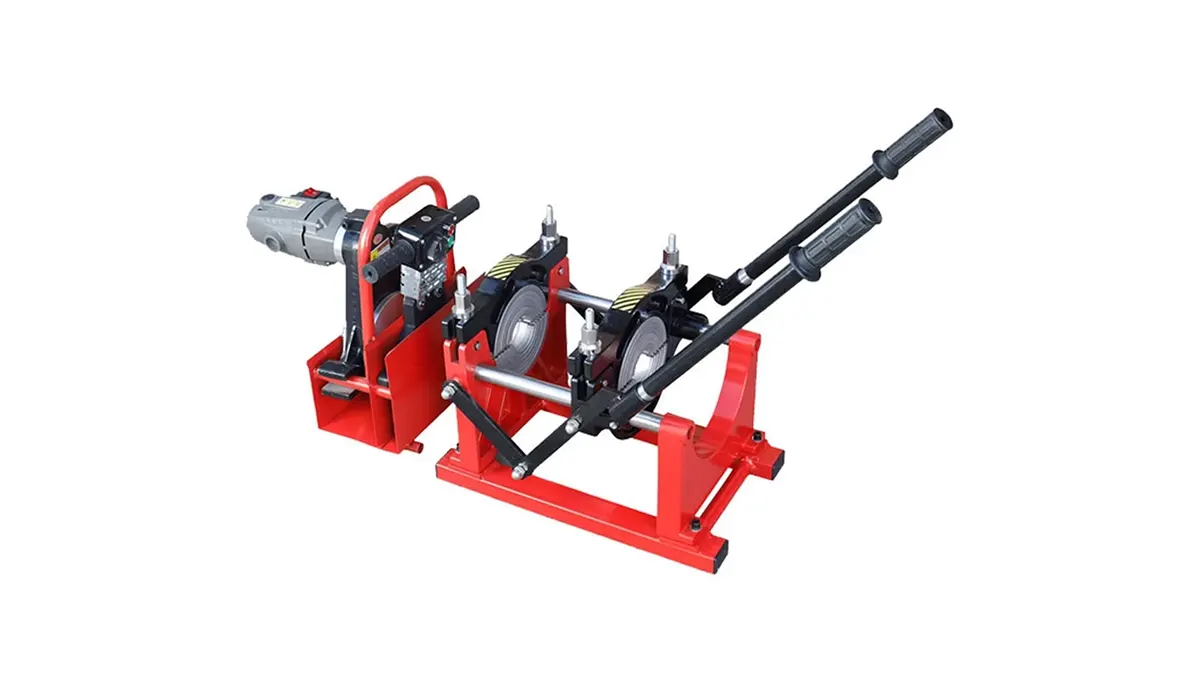
Manual units are lightweight, cost-effective, and ideal for small-diameter pipes (typically 20–315 mm). They are preferred for tight access jobs and straightforward repairs. In Norway, manual machines are useful for localized maintenance of municipal water lines or small rural installations where mobility is key.
Hydraulic Butt Fusion Machines
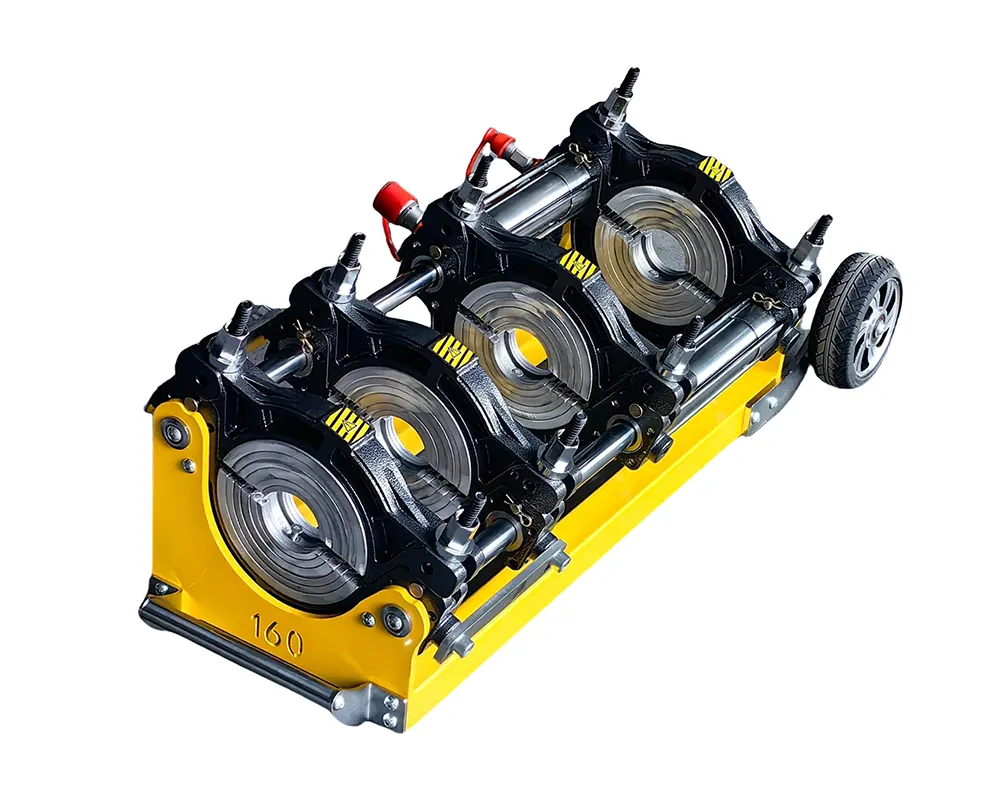
Hydraulic machines deliver stronger, more consistent pressure and are suited to medium and large pipe diameters (up to ~1200 mm depending on model). For Norwegian projects with heavy-duty pipelines or long runs requiring repeatable weld quality, a hydraulic system reduces operator fatigue and improves consistency.
CNC / Automatic Butt Fusion Machines
Automatic machines with programmable controls and weld-data output are the best choice for high-volume, high-spec contracts — for example, municipal water upgrades or gas distribution projects that require documented traceability. These units minimize human error and ensure every weld follows the same thermal cycle.
Multi-Angle & Fittings Welding Machines
When installing complex fittings and branch connections, multi-angle machines provide precise control for tees, elbows, and custom fittings. They are valuable for prefabrication shops and large infrastructure projects where fittings must be produced to tight tolerances.
Large-Diameter and Specialized Frames
For trunk lines, subsea tie-ins, or industrial installations common in Norway’s energy sector, large-diameter frames and heavy-capacity hydraulic stations are essential. These machines are engineered for maximum clamping force and accurate axial alignment on big pipes.
Key Selection Criteria for Norwegian Projects
- Pipe size and SDR: Match machine capacity to the full range of pipe diameters on your project.
- Cold weather performance: Look for heaters and hydraulic fluids rated for low temperatures, and consider shelters or insulated enclosures for field welds.
- Mobility and setup time: Remote sites in Norway demand portable equipment or skid-mounted systems that are quick to deploy.
- Power supply options: Machines with flexible power (diesel generator compatibility, 3-phase, or battery-assisted controls) increase site adaptability.
- Operator skill level: Automatic machines reduce operator dependence; manual machines require trained welders familiar with butt fusion procedures.
- Standards and documentation: Ensure the machine supports EN/DVS welding procedures and can output weld reports for quality assurance.
- After-sales support and spares: Fast access to spare parts and training is crucial when working in remote Norwegian regions.
Quick Comparison Table
| Machine Type | Best For | Typical Pipe Range | Mobility | Relative Cost |
|---|---|---|---|---|
| Manual | Small repairs, tight access | 20–315 mm | High | Low |
| Hydraulic | Medium/large pipes, repeatable quality | 63–1200 mm | Medium | Medium |
| Automatic / CNC | High-volume, documented welds | 63–630 mm (varies) | Low–Medium | High |
| Multi-angle / Fittings | Prefabrication and complex joints | 20–450 mm (models differ) | Low | Medium–High |
| Large-diameter frames | Trunk lines, industrial | 500–2250+ mm | Low | High |
Buying and After-Sales Considerations
Request detailed documentation: weld procedure specifications (WPS), test records, and maintenance manuals. Confirm spare parts availability and the provider’s ability to ship quickly to Norway or partner with local service centers. Ask about training programs for your crew — machines with intuitive controls reduce training time but certified procedure training is still essential.
A Short Procurement Checklist
- Verify machine capacity matches all pipe sizes on the project.
- Confirm low-temperature operation and suitable hydraulic fluids.
- Check weld-data output options for traceability.
- Ask about lead times, spare parts, and training availability.
- Request references of similar projects in Nordic conditions.
Next Steps
If you need tailored recommendations for a Norwegian pipeline project, consider contacting a manufacturer with global experience and a full product range such as JQ-Fusion for machine options, spare parts planning, and operator training to meet local requirements.



