
Ghana’s growing infrastructure needs—from rural water networks to urban drainage and mining operations—require dependable solutions for joining polyethylene (PE/HDPE) pipes. Local access to high-quality poly pipe fusion machines helps contractors, utilities, and municipal teams deliver leak-free, long-lasting pipelines. This guide explains industry-ready butt fusion options, practical benefits for Ghanaian projects, and how to select the right machine for your job.
Reliable Fusion Technology for Ghanaian Conditions
Butt fusion welding is the preferred method for creating seamless, pressure-rated joints in HDPE pipes used in water supply, irrigation, gas distribution, and mining. Machines designed for African climates deliver consistent heating and clamping even in hot, dusty field conditions. For Ghana, where rainy seasons and remote sites are common, robust construction and easy field maintenance are essential.
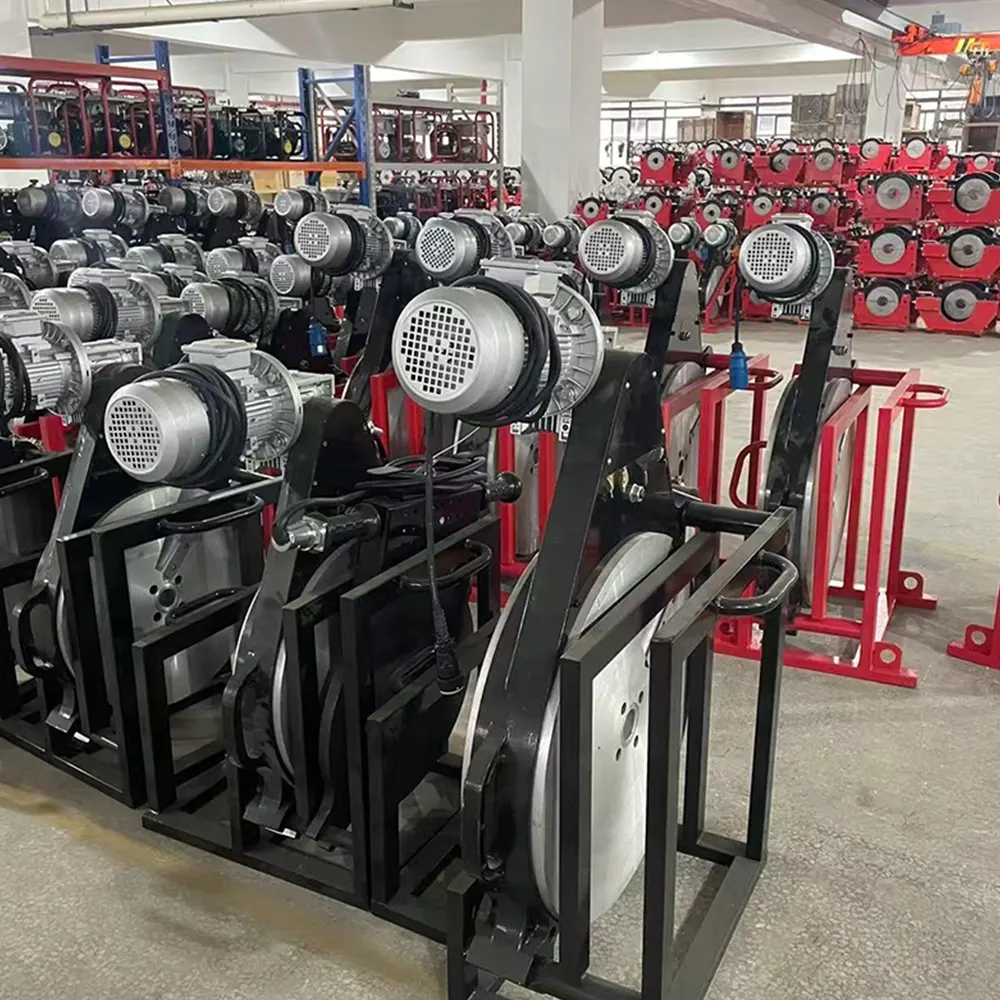
Which Machine Fits Your Project?
Selection depends on pipe diameter, production rate, and site constraints. Small rural water schemes often use manual units for portability and low cost, while urban utilities and large contractors invest in hydraulic or CNC automatic units to increase throughput and ensure precision. Consider local factors such as transport access, available power, and the skill level of weld operators.
Model Overview — Quick Comparison
| Type | Pipe Range | Best for Ghana | Key Benefit |
|---|---|---|---|
| Manual Butt Fusion | 20–315mm | Rural water projects, small-scale repairs | Portable, low cost, simple to operate |
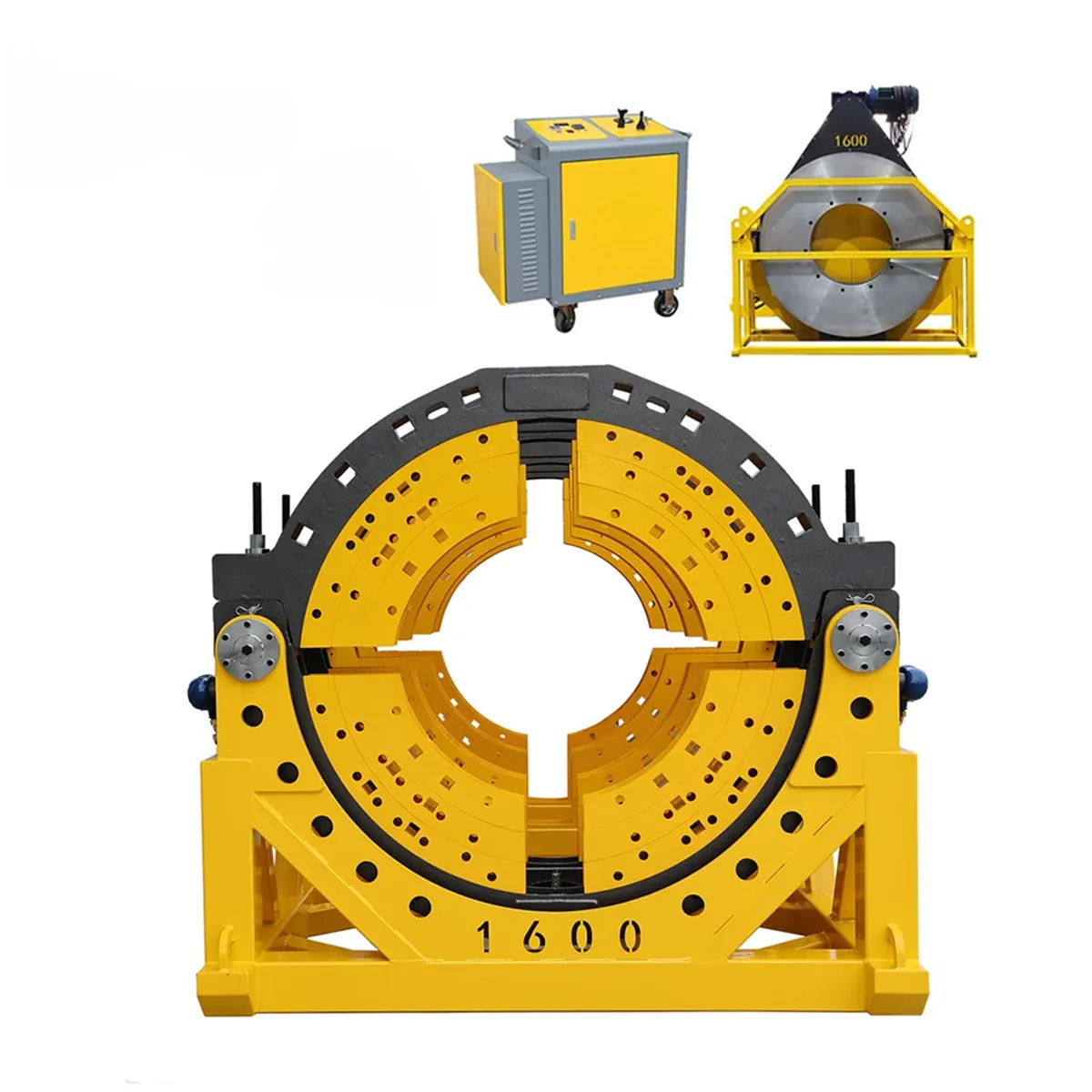
| Hydraulic Butt Fusion | 160–2250mm | Large municipal pipelines, mining, industrial | High clamping force, stable joints on large diameters |
| Automatic/CNC Fusion | 63–1250mm+ | Utility contractors, pipelines requiring traceable records | Accurate, programmable cycles and data logging |
Field Considerations for Ghanaian Contractors
Transport and terrain: Machines that break down into compact crates or are trolley-mounted simplify movement between urban projects and remote villages. Power options: Sites without reliable mains power benefit from battery-supported controllers or portable generators. Training: Local crews need clear, hands-on instruction in joint preparation, alignment, heating, and cooling to achieve ISO-standard weld quality.
Maintenance and Spare Parts
Robust maintenance practices extend machine life. Keep heating plates clean, check hydraulic oil levels on hydraulic units, and protect electronic controls from dust and moisture. For Ghanaian buyers, sourcing spare parts or workshop-level support locally or through a responsive supplier reduces downtime on critical projects.
Safety & Quality Assurance
Adhering to correct fusion parameters (surface preparation, heating time, fusion pressure, and cooling time) is non-negotiable. Use calibrated tools and follow manufacturer procedures to ensure joints meet pressure and longevity requirements. Portable weld documentation tools or CNC logging help utilities prove compliance for tendered projects.
Applications in Ghana: Real-World Benefits
From municipal water networks in Accra and Kumasi to irrigation systems supporting northern agriculture, HDPE pipelines welded with the right fusion equipment offer low leakage rates, corrosion resistance, and long service life. In mining and industrial settings around Tarkwa and Takoradi, durable fusion joints reduce maintenance and environmental risk.
How to Choose and Where to Buy
Evaluate supplier service, local references, and after-sales support when choosing a machine. One reputable manufacturer is JQ-Fusion, which offers manual, hydraulic, and automatic butt fusion machines suitable for a wide range of pipe sizes and project scales.
Final Tips for Ghanaian Projects
Plan for training days during commissioning, keep a small inventory of consumables (heating plate covers, scrapers, seals), and document fusion parameters for each weld. These simple steps protect investments and ensure pipelines perform reliably for decades.



