
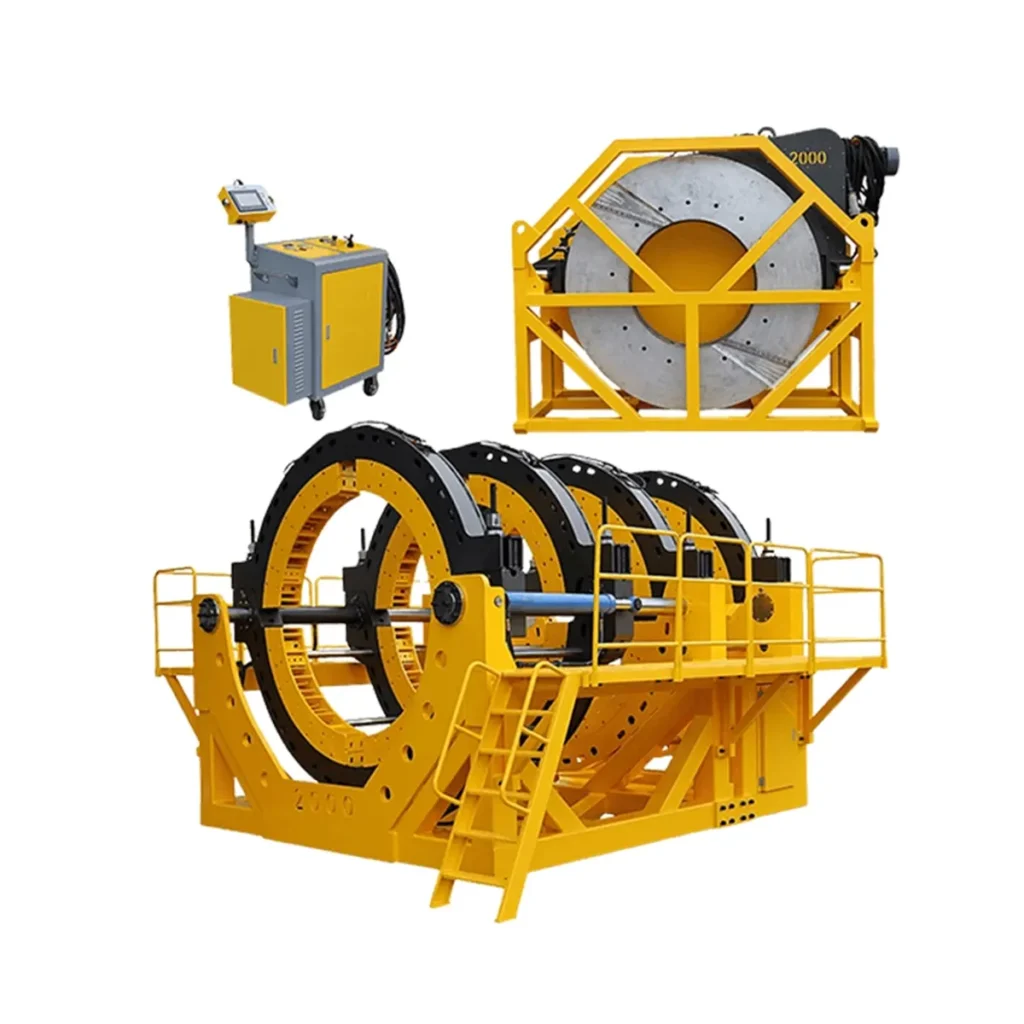
Egypt’s infrastructure push — from expanding urban water networks in Cairo and Alexandria to gas distribution and agricultural irrigation along the Nile — has increased demand for reliable HDPE pipe welding solutions. Choosing the right welding equipment ensures durable, leak-free joins that withstand local climate extremes, sandy environments, and large-scale pipeline projects.
Why HDPE Butt Fusion Is Preferred in Egypt
Butt fusion welding delivers uniform, high-strength joints ideal for potable water, sewer, gas distribution, and industrial pipelines. In Egypt, where many projects must handle high groundwater tables, saline soil near the coast, and long-distance distribution lines across desert terrain, HDPE systems offer excellent corrosion resistance, flexibility, and long service life. Contractors and municipal engineers often favor butt fusion because it produces homogenous joints with no foreign material introduced into the pipeline.
Machine Types Suited to Egyptian Projects
Project scale and site conditions in Egypt determine the best equipment choice:
- Manual machines — cost-effective for small-diameter repairs and rural installations.
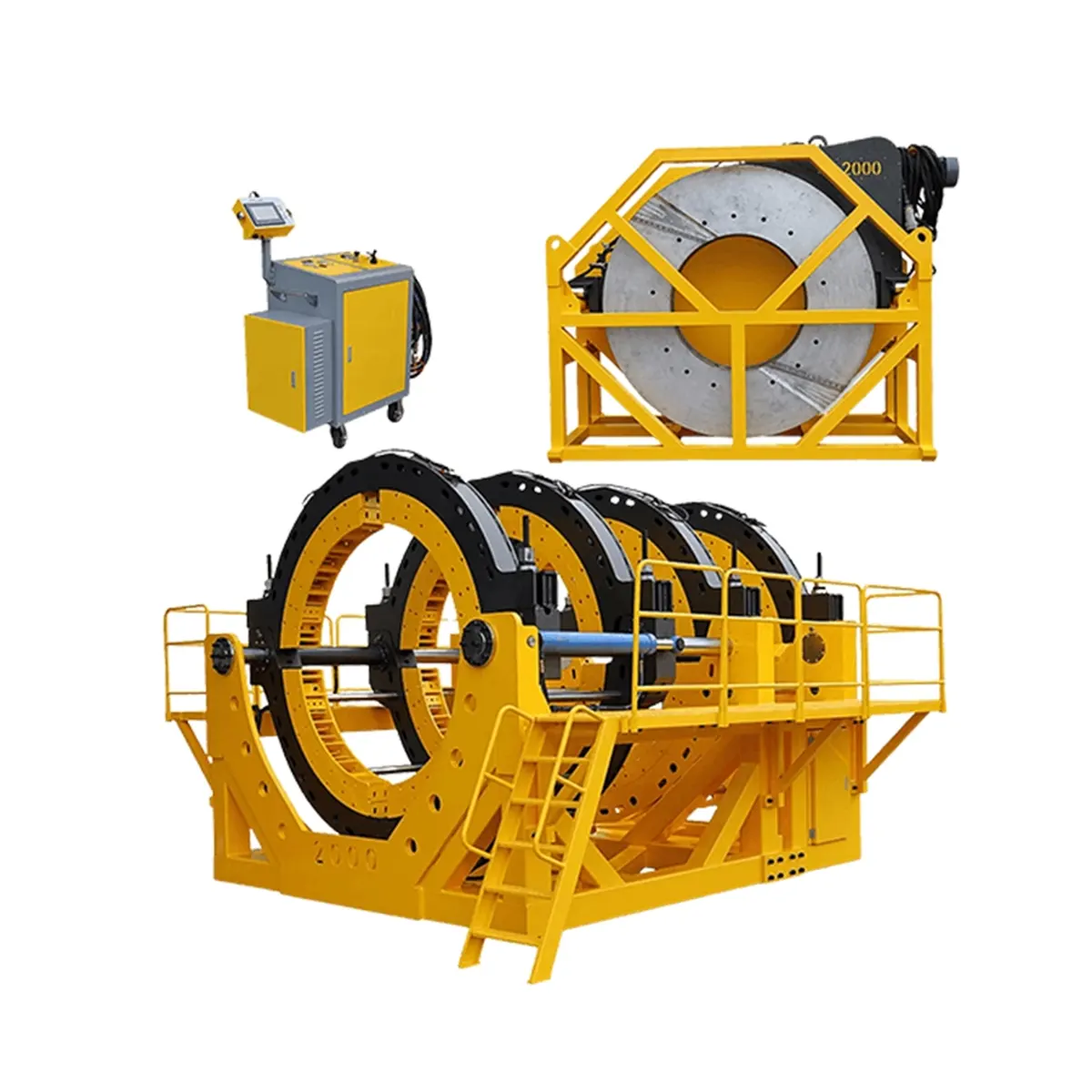
- Hydraulic machines — robust for medium to large diameter pipes used in municipal and industrial projects.
- CNC automatic machines — ideal for high-precision, high-volume production and long-distance trunk pipelines.
Quick Product Comparison
| Type | Pipe Range (mm) | Ideal For | Key Feature |
|---|---|---|---|
| Manual Butt Fusion | 16–315 | Small works, repairs | Lightweight, portable |
| Hydraulic Butt Fusion | 63–2250 | Municipal & industrial | High clamping force, durability |
| CNC Automatic | 90–1600+ | Large-diameter trunk lines | Precision, repeatability |
Selecting Equipment for Egyptian Conditions
Consider these local factors when choosing a machine:
- Temperature range — ensure heaters and hydraulic fluids are rated for hot daytime temperatures and dust exposure in desert areas.
- Portability — many irrigation and rural projects require easily transportable units for remote sites.
- Service & parts availability — fast access to spare parts and technical support minimizes downtime for critical municipal systems.
Installation, Training & On-Site Support
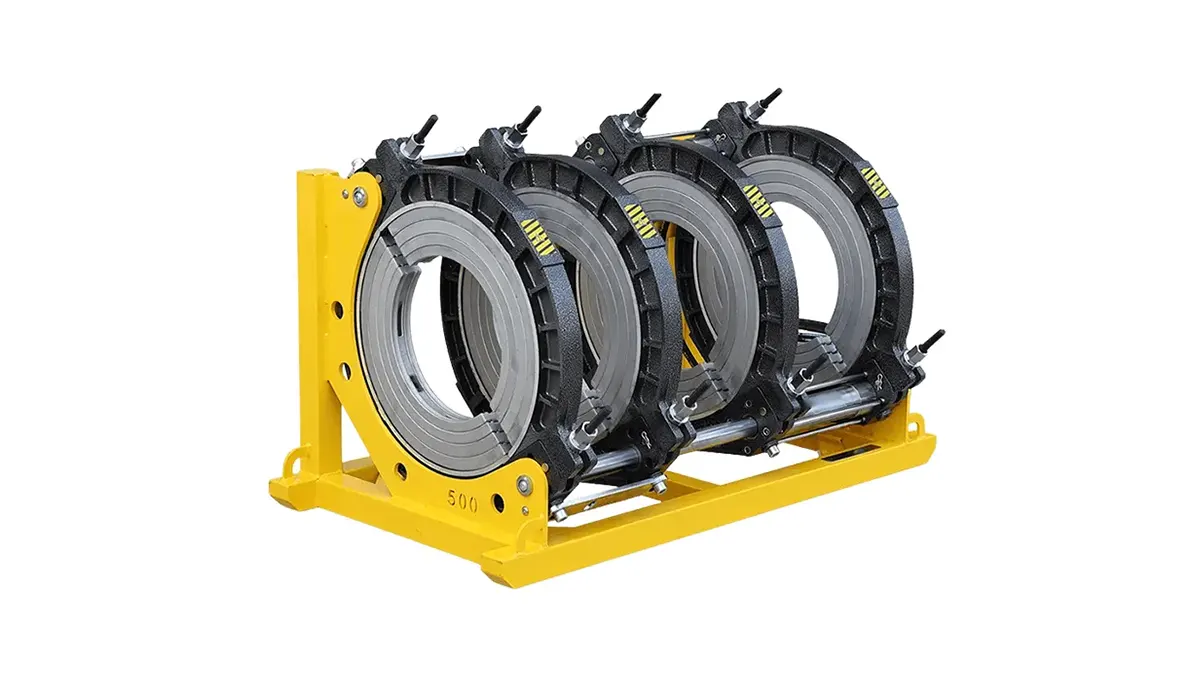
Local contractors and municipal teams benefit from hands-on training in butt fusion procedures, routine maintenance, and quality control (e.g., visual checks, bead inspection, and sample test welds). For large projects — such as desalination plant connections or gas distribution networks — consider on-site commissioning and periodic calibration to ensure consistent weld integrity under Egypt’s field conditions.
Common Applications in Egypt
Typical use cases include urban water mains, agricultural irrigation lines in the Nile Delta, industrial process piping in Suez industrial zones, and underground gas distribution in growing metropolitan neighborhoods. HDPE’s resistance to corrosive soils and chemical exposure makes it a strong choice across these sectors.
Warranty, Spare Parts & Service
Prioritize suppliers who provide clear warranty terms, accessible spare parts, and responsive technical support. In environments where projects span remote desert routes and coastal cities, dependable logistics and fast support can save both time and budget.
Manufacturer Snapshot
JQ-Fusion is a professional manufacturer specializing in HDPE pipe welding machines, providing reliable butt fusion solutions for global infrastructure projects. With years of industry experience, we focus on the development and production of manual, hydraulic, and CNC automatic butt fusion welding machines, covering a wide range of pipe sizes from small to large diameters. Our products are widely used in water supply, gas distribution, mining, and industrial pipeline systems.
For project quotes, spare parts, or to discuss the best machine for an Egyptian pipeline project, visit https://jq-fusionwelding.com/ to request product specs and local distributor information.



