
Choosing the best plastic pipe welding equipment in Sri Lanka means balancing rugged field performance, ease of use, and local project needs — from municipal water networks in Colombo to remote irrigation works and tea estate drainage systems in the hill country.
Why the right welding machine matters in Sri Lanka
Reliability in tropical heat and coastal salinity, ease of transport on narrow rural roads, and compatibility with variable power supplies are top priorities for Sri Lankan contractors and engineers. The right machine reduces rework, speeds installation, and lowers lifecycle costs for HDPE and other plastic pipe systems.
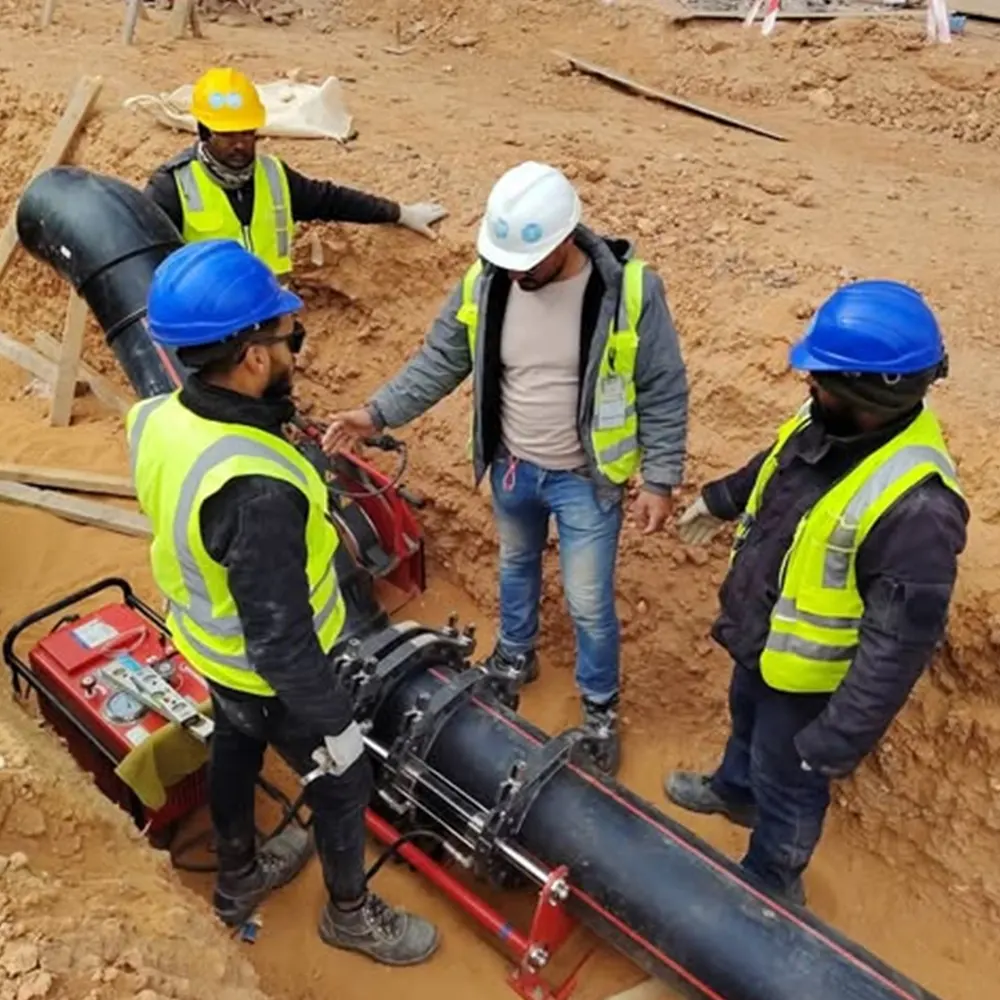
Main types of plastic pipe welding equipment
Manual Butt Fusion Machines
Simple, portable frames for PE/HDPE pipe alignment and heating. Ideal for small jobs, village water connections, and maintenance crews in rural districts. Low cost and easy to repair locally.
Hydraulic Butt Fusion Machines
Offer stronger clamping and consistent pressure control, suitable for medium-to-large diameter pipes used in municipal and irrigation projects. They deliver repeatable joints under tougher field conditions.
Automatic / CNC Butt Fusion Machines
For contractors handling long, continuous pipelines and large-diameter installations. Automated control improves weld traceability and reduces operator variability — a good fit for major utility upgrades and industrial projects in Sri Lanka.
Electrofusion Units
Highly useful for fittings, service saddles, and tight spaces common in urban networks. Electrofusion offers reliable, speedy connections for repair and retrofit work in cities and estates.
Quick comparison (practical guidance)
| Machine Type | Typical Pipe Range | Best For | Key Advantage |
|---|---|---|---|
| Manual Butt Fusion | 20–630 mm | Small repairs, rural works | Portable & low cost |
| Hydraulic Butt Fusion | 63–2250 mm | Municipal & irrigation pipelines | Stable pressure, higher duty |
| Automatic/CNC Butt Fusion | 160–2250+ mm | Large projects, long runs | High precision & traceability |
| Electrofusion | 20–630 mm (fittings) | Repairs, tight urban spaces | Fast, no alignment table needed |
Decision checklist for buyers in Sri Lanka
Project scale: match machine class to pipeline diameter and daily joint targets.
Mobility: choose lightweight frames for hill-country tea estates and remote irrigation sites.
Power options: consider machines that run from small generators or stable electrical input if grid reliability is a concern.
Service & spare parts: ensure local spare parts availability or fast import channels to minimize downtime.
Operator training: invest in certified training for butt and electrofusion techniques to meet ISO welding standards and ensure long-term joint integrity.
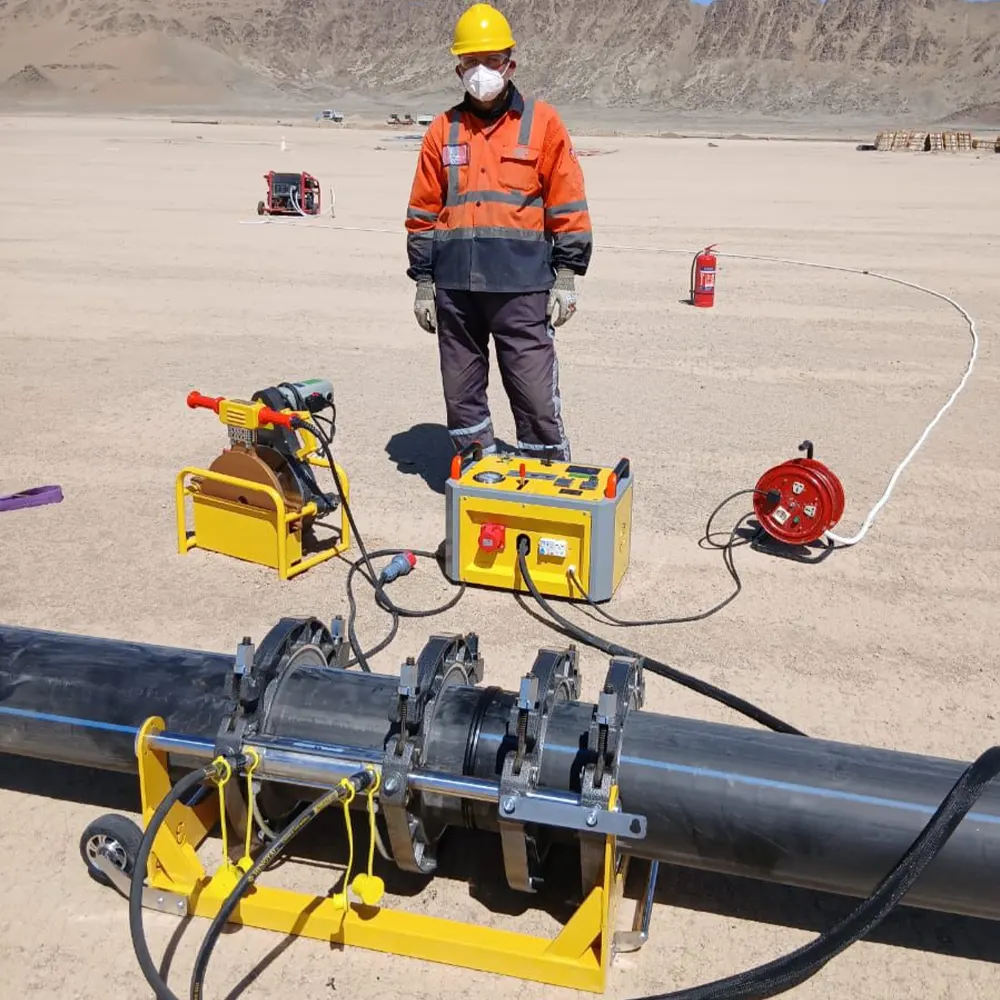
Local factors to consider in Sri Lanka
Coastal and lowland projects must account for salt-air corrosion on metal components and salt exposure to fittings. Mountainous regions require transportable equipment that can be disassembled and carried on narrow roads. Many contractors rely on rental fleets for short-term projects — choose machines designed for frequent setup and teardown. Government-driven water supply and irrigation upgrades also demand documentation and weld traceability for funding compliance.
Recommended approach for different users
Small contractors & rural installers
Start with a robust manual frame and a reliable trimmer. It keeps initial costs down and suits scattered jobs across villages and estates.
Medium contractors & utilities
Hydraulic butt fusion machines deliver consistent results for distribution networks and irrigation mains — ideal for municipal projects and medium pipeline programs.
Large contractors & EPC projects
Invest in automatic/CNC butt fusion systems for high-volume, long-distance pipelines where speed, precision, and weld records matter most.
Supplier note
JQ-Fusion (https://jq-fusionwelding.com/) manufactures a wide range of HDPE butt fusion machines — from manual frames to hydraulic and automatic systems — suitable for Sri Lanka’s diverse pipeline needs.
Next practical steps
Inspect demo machines: see machines in operation before purchase.
Request local references: ask for projects completed in climates similar to yours.
Plan training: schedule operator certification to protect warranty and ensure high-quality joints on delivery day one.
Choose equipment that matches your project scale, and prioritize serviceability and operator competence — that is the best path to reliable plastic pipe welding in Sri Lanka.



