
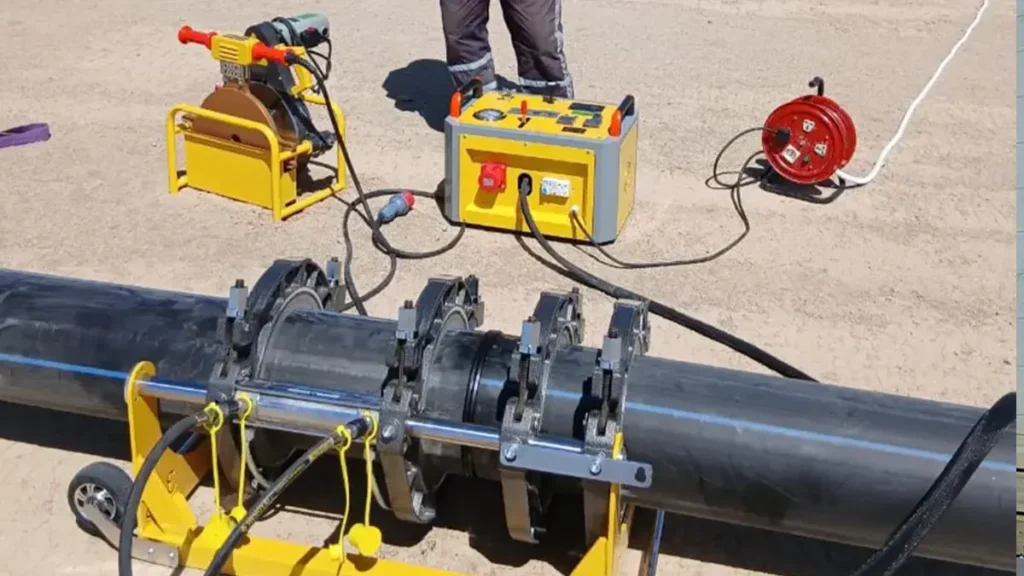
Choosing the right butt welding machine in Australia requires balancing durability, portability and compliance with local standards. This guide explains the main machine types, evaluates features that matter on Australian projects—from urban water networks to remote mining sites—and gives a practical checklist to help contractors and procurement teams pick equipment that delivers reliable HDPE pipe fusion results.
Why butt fusion matters for Australian pipelines
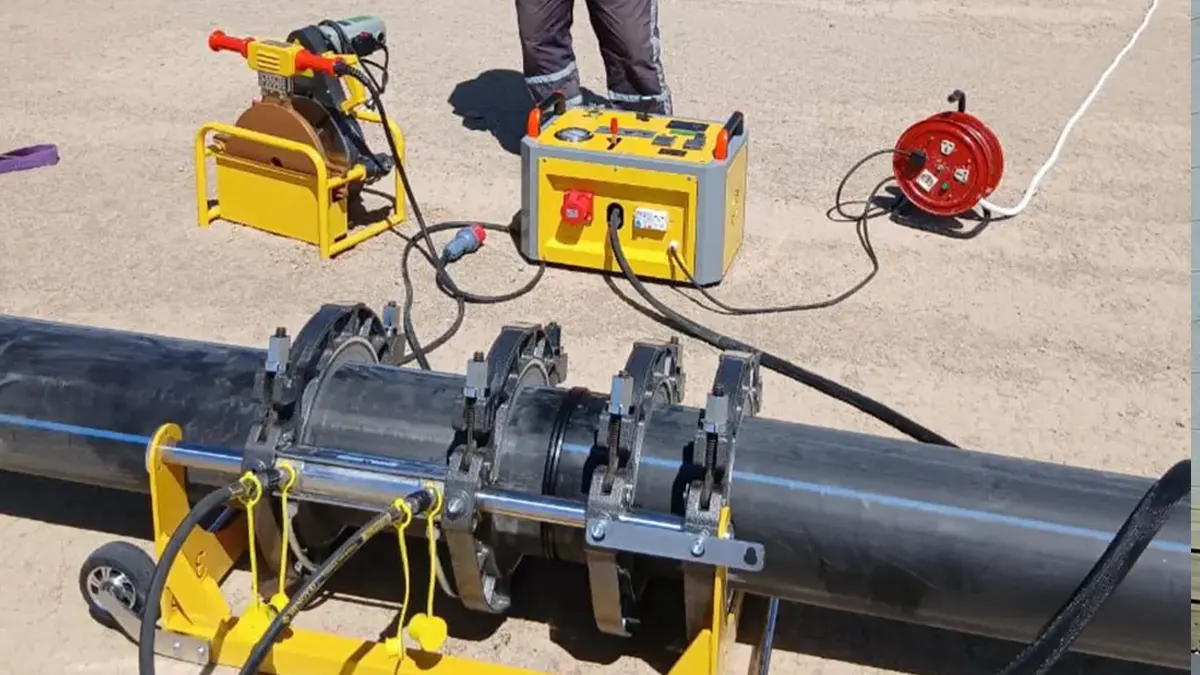
The welded joint quality directly affects long-term performance for water, gas and mining pipelines across Australia. Harsh UV, wide temperature ranges and remote installation sites make robust butt fusion equipment essential. Selecting the right machine reduces joint failures, rework and costly downtime.
Common project types in Australia and what they need
– Municipal water & sewer networks: consistent, traceable welds and compliance with AS/NZS standards.
– Gas distribution: high-pressure rated joints, certified procedures and record-keeping.
– Mining and industrial: heavy-duty, mobile hydraulic machines for remote sites (e.g., Pilbara, Bowen Basin).
– Rural & irrigation: portable manual machines for field repairs and long linear runs.
Butt welding machine types — quick comparison
| Type | Diameter range (mm) | Best for | Key benefits |
|---|---|---|---|
| Manual/Portable | 16–315 | Rural repairs, small crews | Lightweight, low cost, easy to transport |
| Hydraulic | 63–2000+ | Municipal & industrial pipelines | High force, precise alignment, suited to large diameters |
| Automatic / CNC | 63–1250+ | High-volume, critical networks | Repeatable parameters, data logging, minimal operator variation |
Key technical features to evaluate
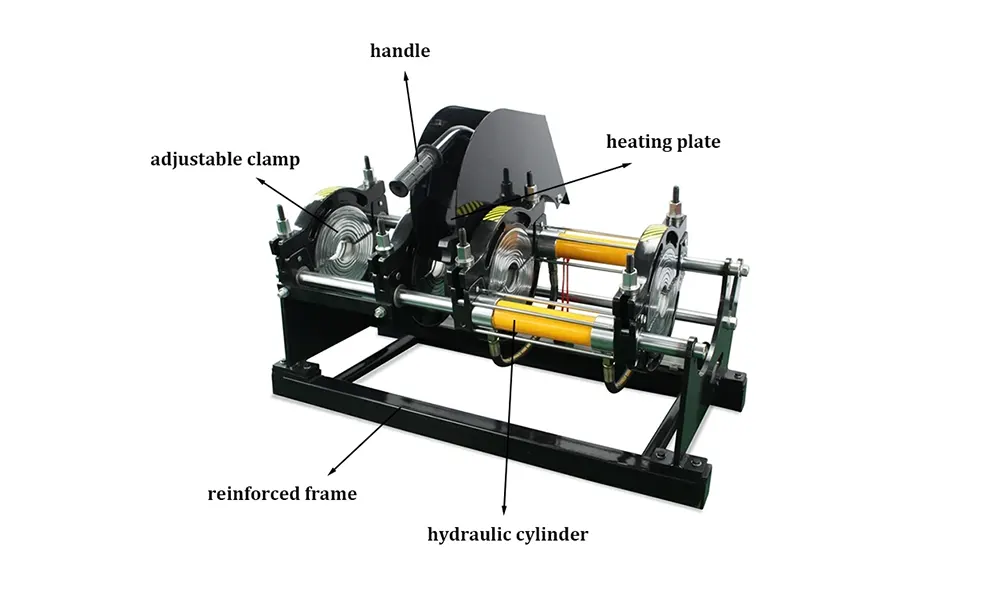
– Alignment & clamping system: look for robust aluminum or steel clamps that prevent pipe ovality.
– Heating plate quality: even temperature distribution and quality coatings extend plate life.
– Hydraulic power & stroke: adequate force and travel for planned diameter ranges.
– Control & logging: automatic or digital controllers that record temperature, pressure and time are crucial for compliance and QA.
– Portability & power source: diesel-hydraulic units or battery options are advantageous for remote Australian sites.
Australian standards and certification to check
Ensure the machine and welding procedures support compliance with local regulations and standards such as AS/NZS 4130 (polyethylene pipes), AS/NZS 4129 (fittings) and asset owner requirements. For gas projects, additional gas network operator qualifications and certified welders may be required.
Operational checklist before buying
– Match machine capacity to pipe sizes and materials used on planned projects.
– Confirm data logging capability if your client or regulator requires traceable weld records.
– Assess transport needs for remote work — consider modular or trailer-mounted systems.
– Verify spare parts availability and local service support in Australia.
– Plan operator training and certification to reduce welding error rates.
Maintenance and on-site tips
– Keep heating plates clean and protected between welds.
– Calibrate temperature sensors regularly and verify with independent thermometers.
– Store hydraulic fluids and spares in climate-appropriate conditions for Australian temperatures.
– Use proper backing bars and chamfering tools to ensure face-to-face contact before fusing.
Common mistakes that increase rework
– Relying on underpowered machines for large-diameter welds.
– Skipping data logging or failing to keep weld records.
– Using worn plates or clamps that cause uneven heating or misalignment.
– Inadequate operator training for variable site conditions (heat, dust, humidity).
Procurement considerations and lifecycle costs
Factor in not just the purchase price but ongoing costs: spare parts, heating plates, hydraulic oils, calibration, and training. In Australia, fast access to local service networks or reputable international suppliers with Australian distribution reduces downtime on critical projects.
Quick selection guide
– Small rural projects → Manual/portable machines.
– Urban water & gas networks → Hydraulic or CNC machines with data logging.
– Mining/remote pipelines → Heavy-duty hydraulic, trailer-mounted with diesel power and ruggedized controls.
Manufacturer & support
One reliable supplier of HDPE butt fusion equipment and tailored solutions is JQ-Fusion, known for models that cover manual, hydraulic and automatic welding needs and for global project support.
Final recommendation
Select machines that match your dominant pipe sizes, prioritize data-logging for traceability, and ensure operator training and local service access in Australia. The right choice reduces failure risk, speeds project delivery and lowers long-term costs—especially in remote and demanding Australian environments.



