
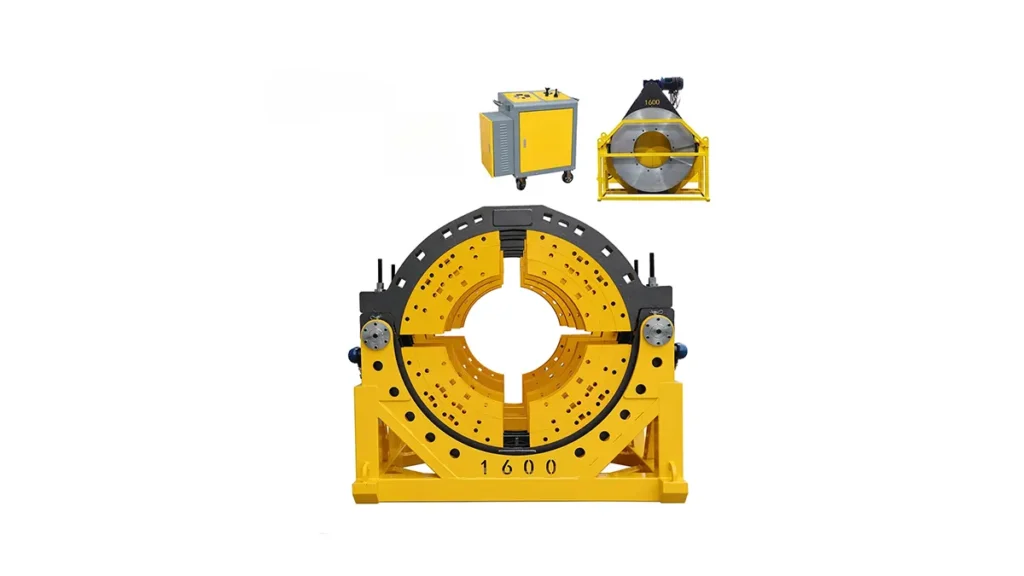
Choosing the right butt fusion machine maker and reliable welding solutions is a critical decision for Sri Lanka’s contractors, utilities, and infrastructure developers. From coastal projects in Galle to irrigation networks in the North Central Province, factors like climate, logistics and local workforce skill levels shape the best procurement choice. This guide helps procurement managers and site engineers evaluate suppliers, compare machine types, and ensure long-term performance for HDPE pipeline projects across Sri Lanka.
Why the Right Supplier Matters for Sri Lanka Projects
Durability in tropical conditions: High humidity, monsoon rains and saline coastal air demand machines with corrosion-resistant components and robust sealing. Selecting a supplier that understands field conditions reduces downtime and maintenance costs.
Local support and spare parts access: Long delivery lead times can stall critical water supply or irrigation works. Prioritise suppliers that can provide fast spare parts, training, and clear logistics plans for shipping to Sri Lanka ports like Colombo and Trincomalee.
Key Evaluation Criteria for Butt Fusion Machine Makers
1. Proven quality and certifications: Confirm ISO, CE, or other relevant certifications and request welding procedure records (WPR) or sample weld test data.
2. Range of machine types and sizes: Ensure the supplier covers the pipe diameters you use most often—municipal supply often needs 63–500mm, while large irrigation mains may require machines for 800mm+.
3. After-sales service and training: Machines perform best when operators are trained. Verify whether the supplier offers on-site commissioning, remote technical support, and manuals in English (and consideration for Sinhala or Tamil speaking teams).
4. Spare parts & consumables availability: Check stock levels and shipping options to Sri Lanka; ask about critical spares like heating plates, hydraulic seals, and trimming tools.
Comparing Machine Types — Quick Reference
| Machine Type | Best For | Typical Pipe Range | Advantages |
|---|---|---|---|
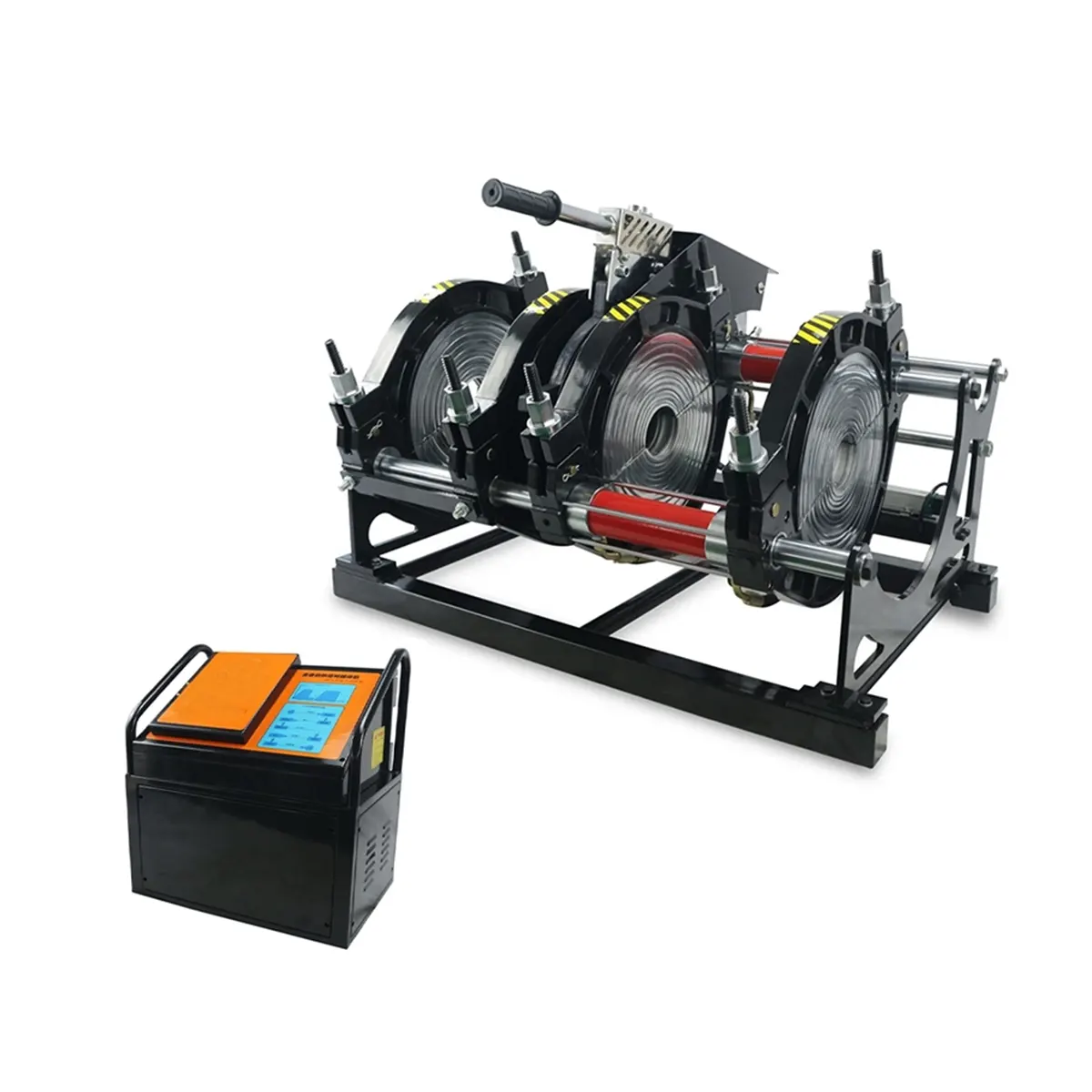
| Manual Butt Fusion | Small crews, remote sites | 20–315mm | Low cost, easy transport |
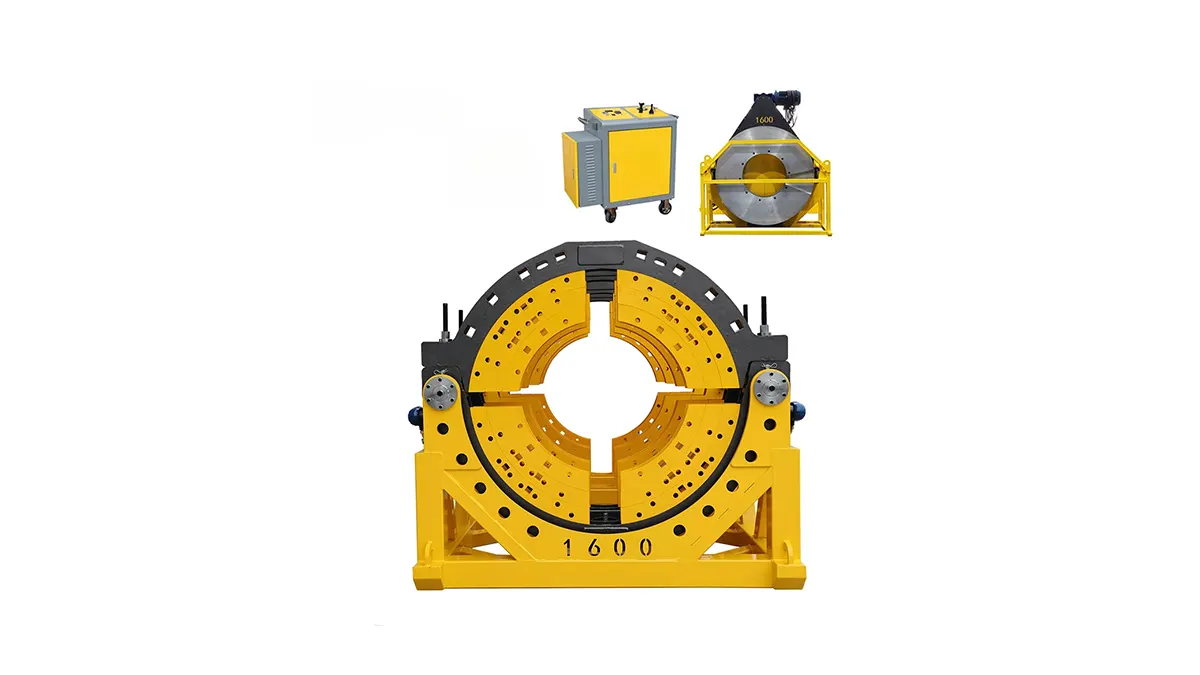
| Hydraulic Butt Fusion | Medium to large mains | 63–1600mm+ | Powerful clamp force, high consistency |
| CNC Automatic Butt Fusion | High-volume or critical lines | 63–2000mm+ | Precision control, data logging |
When comparing suppliers, request sample weld logs and information on available clamping frames and heating plate materials. In Sri Lanka, where many pipeline projects are funded by government or international agencies, documented quality assurance and traceable welding records are often required.
Practical Procurement Tips for Sri Lankan Buyers
Plan for transport and customs: Large frames and hydraulic units need careful packing and freight planning. Confirm INCOTERMS, and estimate customs clearance time at Sri Lanka ports. Ask suppliers for packing lists and HS codes to speed import clearance.
Local training and operator handover: Make training part of the contract. A short operator course reduces weld failures and improves productivity—especially useful for contractors hiring temporary labour during peak seasons.
Warranty and service contracts: Verify what warranty covers and how warranty claims are handled from Sri Lanka. Consider extended service contracts that include annual calibration, preventive maintenance, and spare part kits.
Selecting a Reliable Partner
Look for a manufacturer with a clear record of supplying HDPE pipeline equipment, responsive technical staff, and the ability to provide documentation and training. For example, you can review product lines and capabilities from JQ-Fusion at their website to evaluate models, test reports, and service options.
Final checklist before purchase: documentation (certificates, weld logs), spare parts availability, training plan, warranty terms, and shipping timeline to your Sri Lanka site. With the right supplier and machine type, you can deliver stronger, leak-free pipelines that stand up to Sri Lanka’s climate and project demands.



