
On the islands of Malta, where compact urban areas, sensitive coastal projects and growing utility networks demand durable pipeline solutions, HDPE fusion machines have become essential for reliable pipe welding and installation. For contractors and municipal teams focused on long-lasting water, gas and drainage systems, choosing the right butt fusion equipment improves productivity, reduces leaks and supports Malta’s strict safety and environmental standards. JQ-Fusion
Why HDPE Fusion Machines Suit Malta’s Infrastructure Needs
HDPE pipes are corrosion-resistant, flexible and ideal for the Maltese climate and coastal conditions. Their lightweight nature lowers transport costs across the islands, while fusion welding methods—especially butt fusion—create joints with near-parent material strength, minimizing the risk of failures in potable water systems, irrigation lines and gas distribution networks.
Local contractors appreciate fusion machines that are compact and portable, powered for short runs and capable of precise weld control for narrow urban trenches and rooftop installations. The right equipment also speeds projects in tourism hotspots where downtime is costly and environmental protection is a priority.
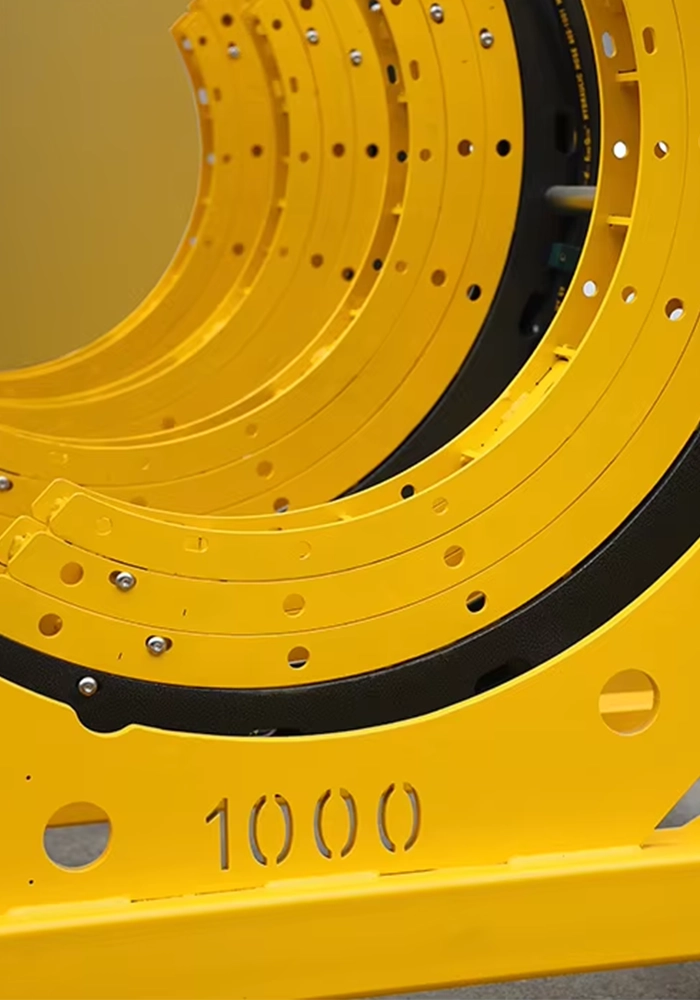
Butt Fusion Options: Manual, Hydraulic and Automatic
Contractors in Malta choose from three main butt fusion categories. Manual machines are lightweight and ideal for small-diameter repairs and tight urban spots. Hydraulic units deliver higher force for medium to large pipes and frequent on-site use. CNC automatic systems offer the highest repeatability and are preferred for large infrastructure projects where consistent weld logging and accuracy are required. Each option balances portability, cycle time and operator skill requirements.
Key Performance Considerations
When assessing machines for Maltese projects consider: transport and access constraints across narrow streets, power availability on remote sites, the need for traceable weld records for public works, and corrosion resistance near the coast. Machines with easy-to-service hydraulic modules and robust heating plates help minimize downtime on island projects.
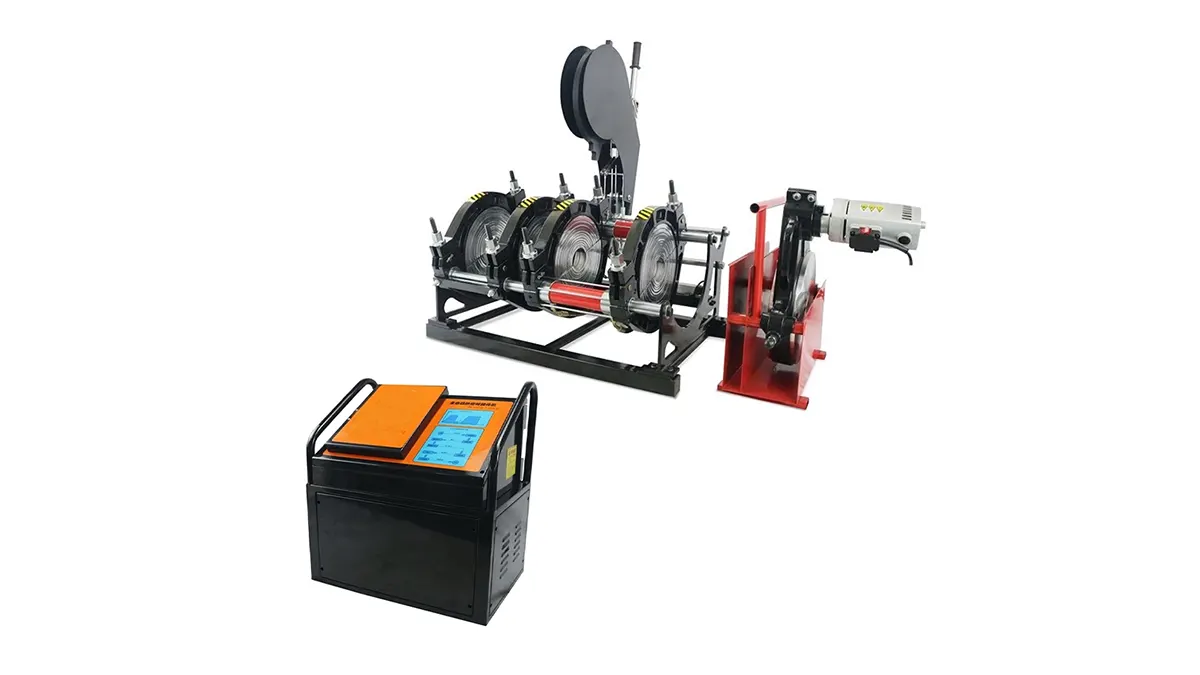
Model Comparison at a Glance
| Machine Type | Typical Pipe Range (mm) | Best For |
|---|---|---|
| Manual Fusion Unit | 20–160 | Small repairs, tight access areas |
| Hydraulic Butt Fusion | 160–1000 | Municipal water & gas mains |
| Automatic/CNC Systems | 63–1600+ | Large projects, recorded welds, industrial pipelines |
Installation Tips for Maltese Conditions
Plan for corrosion protection when working near the coast. Use fusion procedures that meet European and local Maltese standards and ensure operators are trained in joint preparation and temperature control. For island logistics, opt for machines that break down into manageable sections for ferry or van transport and that include serviceable spare parts kits to avoid project delays.
Maintenance & Support Expectations
Reliable maintenance keeps fusion equipment performing under Malta’s humid, salty air. Select machines with accessible hydraulic components, spare heater cartridges and easy-to-calibrate temperature controls. Local distributors and prompt spare part shipping reduce project risk on tight schedules.
Next Steps for Maltese Contractors
Evaluate your project scope, consider pipe diameters and joint traceability needs, and choose a fusion solution balancing portability and automation. For detailed specifications, machine options and shipping support tailored to island logistics, visit the manufacturer link provided above.



