
Choosing the best fusion welding machine for a project in Slovakia means matching equipment to local needs: municipal water networks in Bratislava, rural agricultural irrigation systems, uphill gas distribution lines in mountainous regions, and contractors who must comply with EU standards. This guide helps Slovak engineers, contractors, and procurement teams pick the right HDPE pipe fusion solution with practical, SEO-focused advice.
Why the Right Fusion Welding Machine Matters in Slovakia
Safety, durability, and regulatory compliance are critical across Slovak projects. Cold winters, varied terrain, and EU technical standards increase demand for reliable butt-fusion and electrofusion equipment. Selecting the right machine reduces rework, lowers leak risk, and speeds installation—especially where downtime is costly.
Key Factors to Evaluate
Pipe size and material: Confirm the HDPE/PE80/PE100 ranges the machine supports. Slovak water and gas lines typically span 63mm to 630mm for local networks and can go larger for mains.
Site conditions: For remote or steep locations in the Tatras and Carpathians, portability and battery/low-power options matter. Urban contracts require compact, low-noise setups.
Production vs. on-site welding: Automatic machines excel in factory or long-run projects; manual or hydraulic units are better for field repairs and patching.
Certification & after-sales: Ensure CE marking, traceable welding records, and accessible spare parts in the EU market.
Quick Comparison — Which Type Fits Your Slovak Project?
| Machine Type | Best For | Typical Pipe Range | Key Advantage |
|---|---|---|---|
| Manual Butt-Fusion | Small contractors, emergency repairs | 20mm–315mm | Cost-effective, portable |
| Hydraulic Butt-Fusion | Municipal mains, industrial projects | 160mm–2000mm+ | High clamp force, consistent joints |
| Automatic CNC Butt-Fusion | Large pipelines, high-volume welding | 63mm–1000mm+ | Precision, welding logs, efficiency |
| Electrofusion | Branch fittings, repairs, tight spaces | 20mm–630mm (fittings range) | Simple on-site use, ideal for fittings |
Top Machine Types Explained
Manual Butt-Fusion
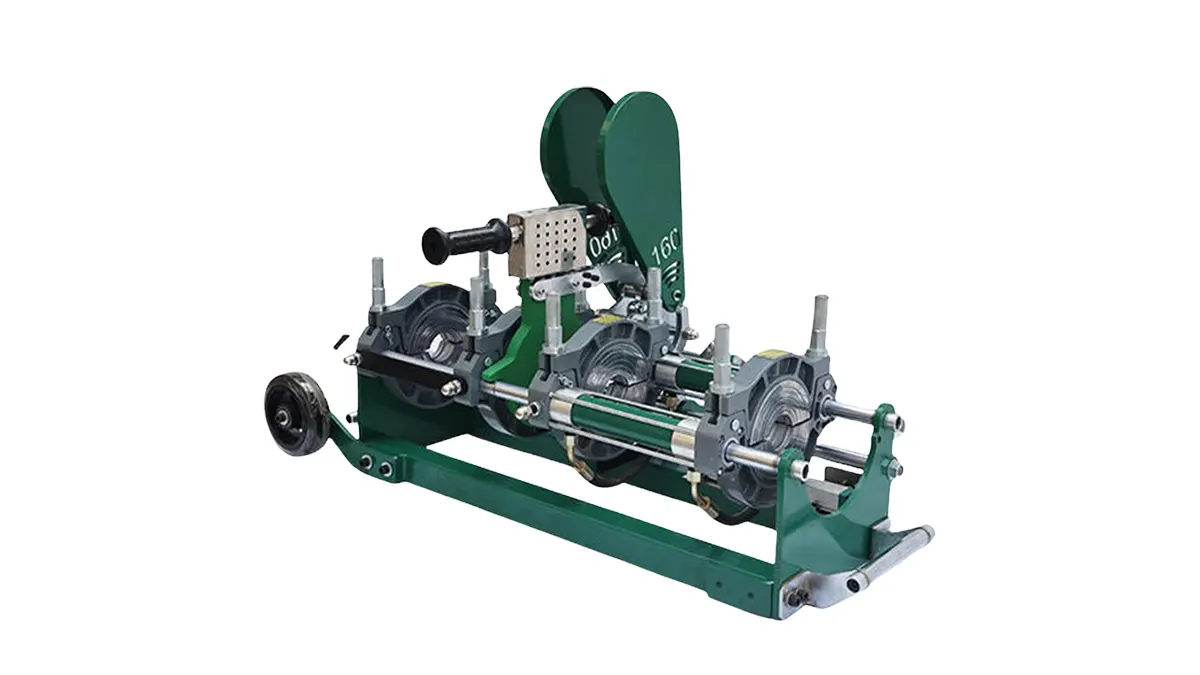
Best for local installers and quick repairs. Manual machines are lightweight and affordable, but operator skill highly influences weld quality.
Hydraulic Butt-Fusion
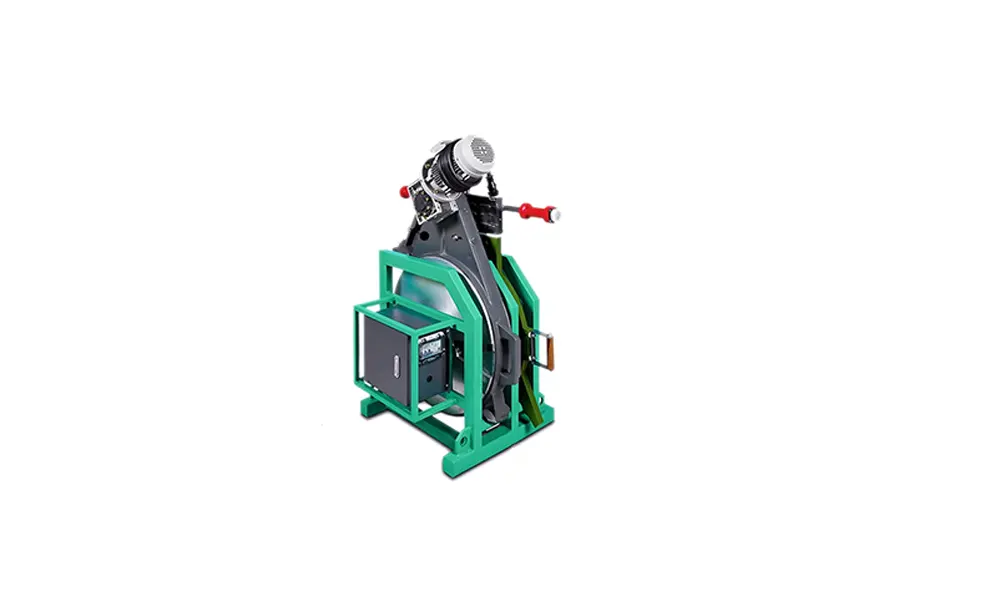
Commonly used on Slovak medium-to-large network projects. They deliver stable pressure and better control for large-diameter HDPE pipes used in water and gas infrastructure.
Automatic Butt-Fusion (CNC)
When consistency and traceability are essential—such as public utility contracts—you benefit from programmable cycles, welding data logs, and reduced operator variability.
Electrofusion
Electrofusion units are indispensable for fittings and repairs. They require minimal space and are especially useful for urban jobs where digging is limited.
Budgeting, Training & Local Support
Slovak procurement teams should balance upfront cost with lifecycle value. Factor in training for ISO-compliant procedures, spare-part availability within the EU, and warranty support. For contractors operating in winter, consider machines with reliable heaters and insulated storage for tooling.
Step-by-Step Selection Checklist
1. Define project pipe diameters and material grades (PE80/PE100).
2. Determine on-site constraints (access, weather, power).
3. Decide required productivity (single repairs vs. continuous welding runs).
4. Verify certifications and data-logging needs for compliance.
5. Confirm warranty, spare parts lead time, and local technical support.
For international-grade butt fusion equipment and tailored solutions, consider contacting JQ-Fusion for model options and EU-compliant documentation: https://jq-fusionwelding.com/
Next steps: Match your project profile to the table above, request weld logs if needed, and prioritize machines with clear after-sales pathways inside Europe to ensure smooth delivery and installation across Slovakia.



