
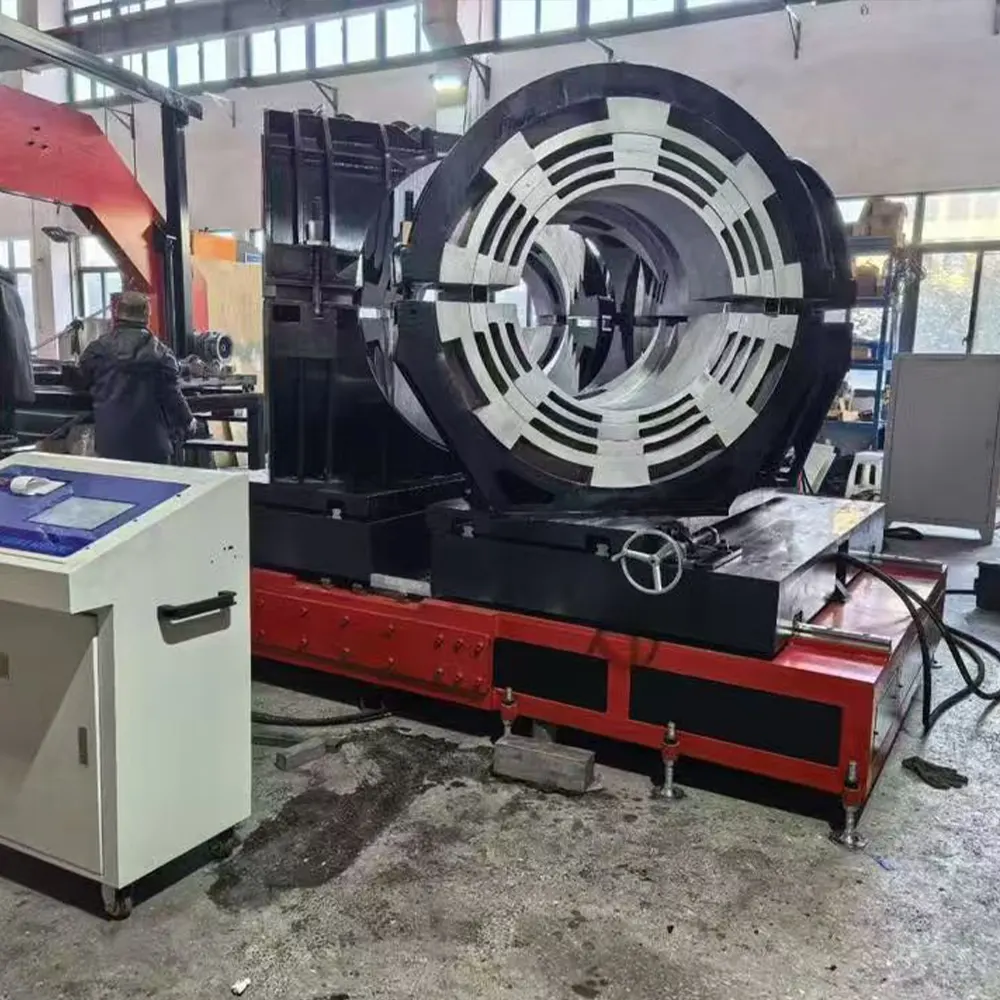
When a butt fusion machine starts losing power, the problem is rarely random. In most cases, it is a sign that something in the electrical system, hydraulic system, heating unit, or operating process is under stress. For contractors, distributors, and pipeline teams, this issue can quickly affect weld quality, project speed, and overall safety. Understanding the root causes helps you restore stable performance before small faults turn into costly downtime.
Fusion welding machines are designed to deliver consistent energy and pressure throughout the entire fusion cycle. If the machine suddenly feels weaker, heats up more slowly, or cannot maintain normal force, you should treat it as an important warning. A machine that loses power may still operate, but the weld quality can become unstable, especially on large-diameter HDPE pipe projects or continuous field work.
Key point: power loss in a fusion welding machine is usually caused by one or more of these areas: poor power supply, worn electrical components, hydraulic leakage, overheating, dirty contacts, or incorrect maintenance. Identifying the exact cause early protects your machine and your project schedule.
1. Unstable Power Supply Is the First Thing to Check
One of the most common reasons a fusion welding machine loses power is an unstable external power source. If the input voltage is too low, fluctuates heavily, or does not match the machine’s rated requirement, the machine may fail to deliver full output. This is especially common on job sites where generators are used or where the electrical grid is inconsistent.
When voltage drops, the heating plate may take longer to reach the target temperature, and the hydraulic unit may respond more slowly. In severe cases, the machine may shut down unexpectedly or fail to start at all. Always verify the input voltage before assuming the machine itself is damaged.
⚡ Check: power cables, extension cords, generator output, plug condition, and the stability of the site power supply.
2. Worn Electrical Components Can Reduce Output
Inside the machine, electrical components gradually wear out over time. Contactors, relays, switches, wiring, and connectors all influence the ability of the machine to deliver power consistently. If a connection becomes loose or oxidized, resistance increases and power transfer becomes inefficient.
A loose terminal may seem small, but it can create heat buildup and voltage drop during operation. In long-term use, this can cause intermittent power loss that is difficult to detect without inspection. Regular maintenance should include checking whether terminals are tight, wiring insulation is intact, and connectors are free from corrosion.
For professional teams operating on large projects, machine reliability matters as much as welding speed. That is why manufacturers such as JQ-Fusion emphasize strict quality control and stable electrical performance in their equipment design.
3. Overheating Can Trigger Power Reduction
Many fusion welding machines include thermal protection systems. If the machine runs too hot, the control system may reduce power or stop operation to prevent damage. Overheating may result from blocked ventilation, dirty fans, excessive ambient temperature, or long continuous operation without rest.
In hot working environments, the machine should be placed in a well-ventilated area and kept away from direct sunlight when possible. If the cooling system is clogged with dust, the internal temperature may rise faster than the protection system can compensate. This can create a cycle of reduced output and repeated shutdowns.
🛠 Maintenance tip: clean air vents, inspect fans, and allow cooling breaks during extended welding sessions.
4. Hydraulic Problems May Look Like Power Loss
In hydraulic butt fusion machines, a loss of power is not always electrical. Sometimes the machine appears weak because the hydraulic system cannot generate or maintain the needed pressure. Low hydraulic oil, oil contamination, worn seals, or pump issues can all reduce working force.
If the clamp system moves slowly or does not hold pressure properly, the machine may seem underpowered even if the electrical supply is normal. Hydraulic leakage is a frequent cause, especially in machines that have been used for many years or transported repeatedly between sites.
Keep an eye on pressure readings, oil level, and visible leakage around hoses and fittings. If pressure is unstable, the problem should be handled before fusion quality is affected.
5. Heating Plate Problems Affect Perceived Performance
The heating plate is the heart of the fusion process. If it cannot reach or maintain the correct temperature, operators may think the machine is losing power. This can happen because of damaged heating elements, faulty temperature sensors, poor contact, or a failing control board.
A machine that heats too slowly can cause longer cycle times and uneven melt surfaces. On the other hand, temperature instability can lead to weak weld joints or material damage. For this reason, temperature accuracy should be checked regularly, especially when the machine is used for critical pipeline installations.
Important: if the heating plate surface is damaged or the temperature display is inconsistent, stop using the machine until the issue is diagnosed.
6. Dirty or Misaligned Clamps Can Add Resistance
Fusion welding depends on precise alignment and firm clamping. When clamps are dirty, misaligned, or mechanically worn, the machine may need to work harder to achieve the same result. This can create the impression that the machine is weaker than before.
Misalignment can also affect the quality of the weld seam. If the pipe ends are not held evenly, the fusion process becomes less efficient and may require repeated adjustments. Cleaning the clamp surfaces and inspecting the alignment mechanism should be part of routine maintenance.
For machines used across different pipe diameters, proper setup is even more important. A machine that is correctly adjusted for one project may feel “weak” on another project if the configuration is not changed properly.
7. Age and Heavy Use Naturally Reduce Efficiency
Even a well-built machine will gradually lose some performance after years of hard service. Continuous exposure to dust, heat, vibration, and load cycles affects electrical parts, mechanical joints, and hydraulic components. Over time, the machine may still run, but not with the same strength it had when new.
This is why reputable manufacturers focus on durability, long service life, and easy maintenance. A professional supplier like JQ-Fusion provides machines designed for stable operation in demanding pipeline environments, where reliability is essential.
🔧 Best practice: create a service log for every machine so you can track wear, repairs, and repeated faults before major failure occurs.
8. Incorrect Operation Can Make the Machine Seem Weak
Sometimes the machine is not truly losing power; it is being used outside its ideal working conditions. Wrong pipe preparation, incorrect voltage setting, poor extension cable quality, or operator error can all reduce performance. In field work, even a small mistake can have a big effect on heating, pressure, and alignment.
Operators should be trained to follow the correct fusion procedure from start to finish. That includes checking pipe cleanliness, matching machine settings to pipe size, and allowing proper heating and cooling time. Skilled operation can often restore normal performance without replacing any parts.
9. How to Diagnose Power Loss Step by Step
A logical inspection process saves time and prevents unnecessary repairs. Start with external power verification, then inspect cables, plugs, and control indicators. Next, check whether the heating plate, hydraulic unit, and clamp system behave normally. If one subsystem is weak while others are fine, the problem can be isolated more quickly.
It is also useful to compare current performance with past records. If the machine has become slower over several weeks, the issue may be gradual wear rather than sudden failure. If the power loss happened suddenly, electrical interruption or component damage is more likely.
✅ Diagnostic order: power supply → cable and connector condition → control system → heating plate → hydraulic system → clamp alignment.
10. Prevention Is Better Than Repair
The best way to avoid power loss is to maintain the machine before problems appear. Regular cleaning, scheduled inspection, proper storage, and correct usage all help preserve power stability. Keep the machine dry, protect it from dust, and avoid overloading it during long working hours.
For project owners and distributors, choosing a supplier with strong quality assurance and technical support can make a major difference. Machines manufactured with strict testing, stable performance, and reliable after-sales service are less likely to develop early power issues. This is one reason many global pipeline teams prefer experienced manufacturers with proven export capability.
Frequently Asked Questions
Q1: Why does my fusion welding machine lose power after running for a while?
It may be overheating, receiving unstable input voltage, or experiencing hydraulic pressure decline during continuous use.
Q2: Can a bad extension cable cause the machine to lose power?
Yes. A cable that is too long, too thin, or damaged can cause voltage drop and reduce machine output.
Q3: How do I know whether the problem is electrical or hydraulic?
If the heating plate is weak, it is likely electrical. If the clamp force or pressure is weak, the hydraulic system should be checked first.
Q4: Should I keep using the machine if it is losing power?
It is not recommended. Continued use may damage components further and affect weld quality.
Q5: How often should I inspect a fusion welding machine?
A basic inspection should be done before every job, with deeper maintenance carried out on a regular schedule based on usage intensity.



