
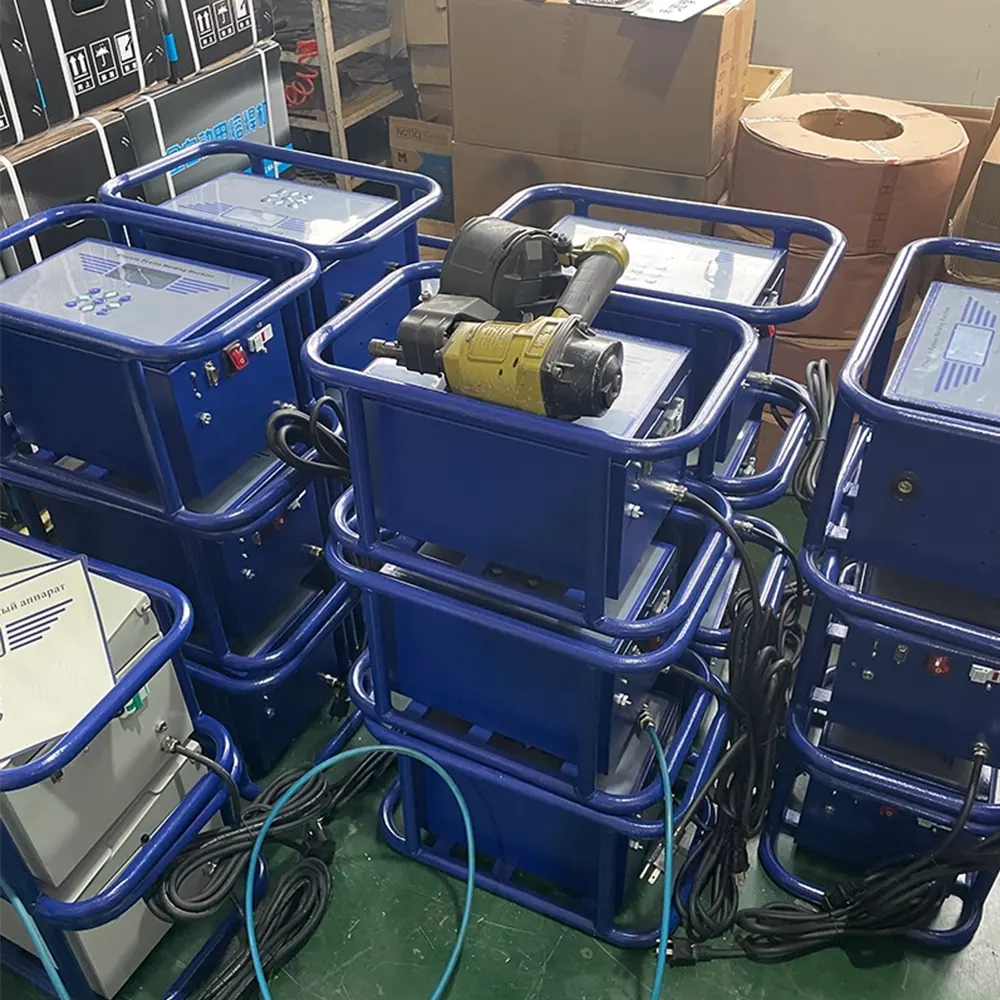
In modern pipeline construction, joining plastic pipes safely and efficiently is critical to long-term system performance. One of the most trusted methods for polyethylene pipe installation is butt fusion, a process that creates a permanent, leak-resistant joint by heating and pressing pipe ends together. At the center of this process is the butt fusion welder, a specialized machine designed to deliver accurate temperature control, stable pressure, and reliable alignment. For water supply, gas distribution, mining, and industrial pipeline projects, this equipment has become an essential tool for contractors who need strong and consistent results.
A butt fusion welder is not just a heating device. It is a complete welding system that prepares the pipe ends, aligns them precisely, heats them to the proper fusion temperature, and then joins them under controlled pressure. When used correctly, the result is a seamless joint that performs like the original pipe material. This is one reason why many engineers prefer fusion welding over mechanical coupling methods, especially in demanding environments where durability matters.
What a Butt Fusion Welder Actually Does
To understand how the machine works, it helps to break the process into simple steps. First, the pipe ends are clamped into the machine so they remain perfectly aligned. Then a facing tool trims the ends to create smooth, even surfaces. After that, a heated plate is inserted between the pipe ends to bring both surfaces to the correct fusion temperature. Once the pipe material reaches the proper state, the heat plate is removed and the ends are pressed together under a controlled force. The result is a fused joint with high strength and excellent sealing performance.
Key point: the quality of the weld depends on three factors working together — accurate temperature, proper pressure, and precise alignment. If any of these is incorrect, the joint strength may be compromised.
The machine may be manual, hydraulic, or CNC automatic depending on the level of automation required. Manual models are often used for smaller jobs or simple site work, while hydraulic and automatic systems are preferred for larger-diameter pipes and projects that require repeatable quality. This flexibility makes the butt fusion machine suitable for a wide range of applications.
Main Components of the Machine
A butt fusion welder is made up of several important components, each with a specific function. The frame and clamps hold the pipes in place and keep them aligned during the process. The facing tool removes uneven material from the pipe ends. The heating plate, often coated to prevent sticking, transfers heat evenly to the surfaces to be joined. In hydraulic systems, a pressure unit provides consistent force during heating and fusion. Control panels or digital interfaces may also be included to help operators monitor temperature and timing.
Tip: better alignment and stable clamping often lead to better weld quality than simply increasing heat or pressure.
High-quality manufacturers focus on precision engineering because even small deviations can affect the final weld. For example, if the clamping system is unstable, the pipe ends may shift during fusion. If the heating plate does not maintain an even temperature, the melted surfaces may fuse unevenly. That is why experienced suppliers invest in strict testing for temperature accuracy, hydraulic pressure stability, and clamp alignment.
How the Butt Fusion Process Works Step by Step
The butt fusion process is straightforward in theory, but it must be carried out carefully to achieve a strong, long-lasting joint. Here is how it typically works in the field.
1. Preparation: The pipes are cut to the required length, cleaned, and placed into the machine clamps. The surfaces must be free from dust, moisture, and damage.
2. Alignment: The operator checks whether both pipe ends are centered and level. Accurate alignment is essential for creating a uniform weld bead and preventing stress concentration.
3. Facing: The facing tool trims the ends of the pipe to create a smooth and parallel surface. This step removes oxidation and irregular edges.
4. Heating: The heated plate is placed between the pipe ends. Both ends are pressed lightly against the plate until a proper melt bead forms.
5. Fusion: The heating plate is removed quickly, and the pipe ends are pressed together with the correct force. This forms the bond that creates the final welded joint.
6. Cooling: The weld is held in place while it cools under pressure. This step is critical because moving the joint too early can weaken the result.
This process may look simple, but every phase must be controlled carefully. Modern machines help reduce human error by providing stable parameters and clearer operation guidance. This is especially important in large-scale infrastructure work, where a failed joint can lead to costly repairs and downtime.
Why Butt Fusion Is So Widely Used
Butt fusion has become popular because it creates joints that are highly durable and resistant to leaks. Unlike threaded or mechanical connections, a properly fused joint becomes one continuous section of pipe. This means there are fewer weak points and less risk of failure in high-pressure or underground systems. For industries that need dependable pipe networks, this is a major advantage.
The method is also widely accepted in projects involving HDPE pipe because polyethylene responds well to heat fusion. It supports a wide range of pipe diameters and can be adapted to different site conditions. Whether the project is a municipal water network or an industrial transfer line, fusion welding offers a practical combination of efficiency and reliability.
Highlight: a correctly executed butt fusion joint can last for many years and maintain excellent sealing performance even in challenging environments.
For contractors and distributors, this means better project value. Fewer maintenance issues and stronger welds often translate into lower lifecycle costs. That is one reason companies around the world continue to invest in specialized equipment from experienced manufacturers such as JQ-Fusion, which focuses on HDPE pipe welding machines for global pipeline projects.
Types of Butt Fusion Welders
Different projects require different machine configurations. Manual butt fusion welders are suitable for smaller pipe sizes and basic on-site operations. They offer simplicity and lower investment cost, making them popular for lighter applications. Hydraulic butt fusion welders use a hydraulic power unit to provide consistent pressure, which improves weld uniformity and reduces operator fatigue. These machines are especially useful for medium and large pipe diameters.
Automatic and CNC butt fusion welders are designed for advanced control and repeatability. They often include digital displays, automated pressure management, and precise timing functions. These systems help maintain quality across repeated welds, which is valuable for projects that demand strict standards. In addition, some specialized units are built for multi-angle pipe fitting welding or electrofusion applications, expanding the range of tasks a contractor can handle with one supplier.
When choosing a model, the key factors include pipe diameter range, power requirements, level of automation, and site conditions. A machine that is too small or too basic may slow down production, while an oversized system may not be cost-effective. This is why working with an experienced manufacturer can save time during selection and improve overall project efficiency.
What to Look for in a Reliable Manufacturer
Not all welding machines are built to the same standard. A reliable manufacturer should offer stable performance, quality testing, and support after delivery. Modern production equipment, strict inspection processes, and experienced engineering teams all contribute to machine consistency. Buyers should also look for customization options such as voltage, color, design, branding, and project-specific configurations.
For international buyers, global support is especially important. Fast response times, technical guidance, and efficient logistics can make a significant difference when a project is under pressure. Manufacturers like JQ-Fusion emphasize OEM and ODM flexibility, which helps distributors build their own market advantage while still meeting end-user requirements.
Another important factor is certification. Products tested to international standards and certified by organizations such as SGS provide greater confidence in safety and reliability. In large pipeline projects, this level of assurance can be a deciding factor for procurement teams.
Common Applications in the Field
Butt fusion welders are used in a wide variety of pipeline installations. In water supply systems, they help create strong and leak-free connections that support long-term service. In gas distribution networks, reliability is even more critical because joint failure can lead to serious safety risks. Mining operations use fusion equipment for durable transport lines that must withstand tough site conditions. Industrial plants also rely on fused HDPE pipelines for chemical handling, cooling systems, and process transfers.
The machine’s value becomes even clearer in remote or high-demand projects. When field conditions are difficult, a dependable fusion system can help teams maintain productivity without sacrificing weld quality. This is one reason why contractors often prefer machines with strong clamps, accurate heating plates, and easy-to-use controls.
Important: always match the machine model to the pipe specification and the project standard before starting work.
For companies that need a broad product range, one supplier may provide hydraulic butt fusion welding machines, automatic butt fusion welding machines, electrofusion welding machines, and multi-angle pipe fitting welding machines. A complete portfolio can make sourcing easier and help businesses support more customer needs from one place. You can learn more about one such supplier at the official JQ-Fusion website.
Maintenance and Operator Best Practices
Even the best butt fusion welder requires proper maintenance. Operators should clean the machine after each use, inspect the heating plate surface, and check hydraulic components for wear or leaks. Clamps should remain free from debris, and electrical systems should be checked regularly if the machine is powered by a digital control unit.
Training is equally important. A skilled operator understands not only how to run the machine but also how to interpret weld conditions. This includes recognizing uneven melt patterns, inadequate bead formation, or timing errors. Good training reduces mistakes and improves repeatability across different operators and sites.
By combining well-maintained equipment with correct operating procedures, contractors can achieve more reliable joints and extend the service life of the pipeline system. In many cases, the long-term benefits far outweigh the initial investment in quality equipment.
Conclusion
A butt fusion welder plays a central role in building durable, leak-resistant polyethylene pipeline systems. It works by carefully heating, aligning, and pressing pipe ends together to create a seamless connection. From small utility installations to large industrial projects, this machine supports stronger infrastructure through accurate control and dependable performance. When selected from a reputable manufacturer with proven quality control and technical support, it becomes a valuable asset for any pipeline contractor or distributor.
As global demand for HDPE pipelines continues to grow, the need for reliable fusion equipment will only increase. Choosing the right machine, training operators properly, and following correct fusion procedures are all essential to successful project outcomes. For companies seeking dependable equipment and flexible customization, brands with extensive industry experience offer an important advantage in today’s competitive market.
Frequently Asked Questions
Q1: What materials can a butt fusion welder join?
It is mainly used for thermoplastic pipes, especially HDPE and other polyethylene materials that respond well to heat fusion.
Q2: Is butt fusion stronger than mechanical joining?
In many applications, yes. A proper fusion joint becomes a continuous part of the pipe, which often provides better sealing and long-term reliability.
Q3: Do I need special training to operate the machine?
Yes. Training helps ensure correct alignment, heating, pressure, and cooling, all of which are essential for a successful weld.
Q4: What makes a good butt fusion machine?
Look for stable performance, accurate temperature control, strong clamping, durable construction, and reliable after-sales support.
Q5: Where can I learn more about professional butt fusion welding equipment?
You can visit JQ-Fusion to explore product options, customization services, and technical support for pipeline projects.



