
Germany’s infrastructure and industrial sectors demand precision, durability, and compliance when it comes to pipe joining. For engineers, contractors, and procurement teams looking for top butt welder manufacturers, understanding machine types, local standards, and after-sales support is essential to ensure long-term, leak-free HDPE pipeline performance.
Why German Projects Require High-Quality Butt Fusion Equipment
Municipal water utilities, gas distributors, and industrial plant operators across Germany often face strict regulatory and environmental requirements. Reliable butt fusion welding machines reduce rework, minimize downtime, and deliver consistent joints for distribution networks, renewable energy sites, and underground installations. Buying the right equipment can save time on-site and provide traceable, certified weld records for compliance.
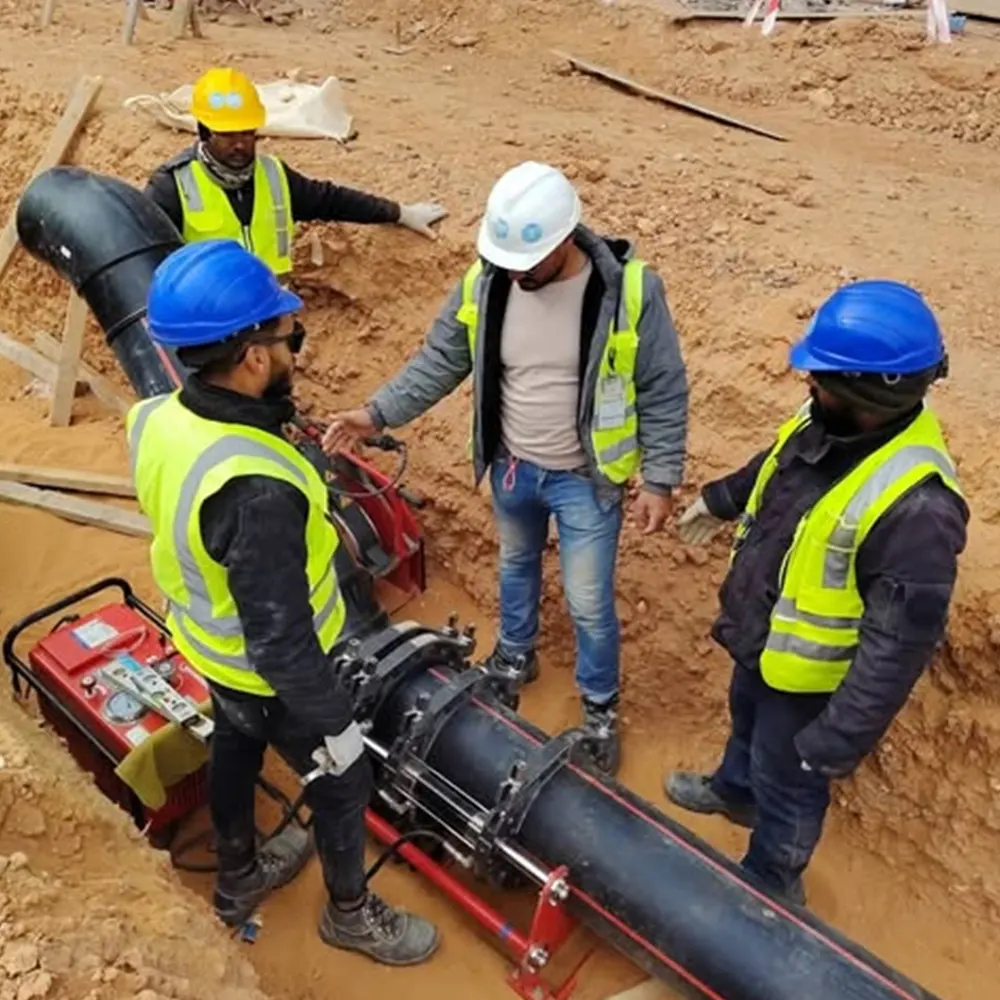
Key Features German Buyers Prioritize
Precision controls for repeatable heating and pressure stages; robust hydraulic clamping and durable frames for long-term field use; clear digital records for weld traceability; and ease of maintenance. German contractors also value machines that integrate smoothly with local quality control practices (e.g., documented fusion parameters and service logs).
Types of Butt Fusion Machines
The market offers manual, hydraulic, and CNC automatic butt fusion machines. Each serves different project scales:
| Machine Type | Typical Pipe Range | Best For |
|---|---|---|
| Manual Butt Fusion | 20–400 mm | Small jobs, service repairs, tight budgets |
| Hydraulic Butt Fusion | 160–2250 mm | Medium to large pipelines, construction sites |
| CNC Automatic Butt Fusion | 63–2000+ mm | High-volume production, consistent quality, long pipelines |
Standards and Certifications to Watch in Germany
German projects often reference national and European standards for welding quality and safety. Contractors look for manufacturers whose procedures and equipment support compliance with DIN/EN norms and industry best practices. When selecting a supplier, confirm traceability options, calibration routines, and whether on-site training and documentation are provided for auditors.
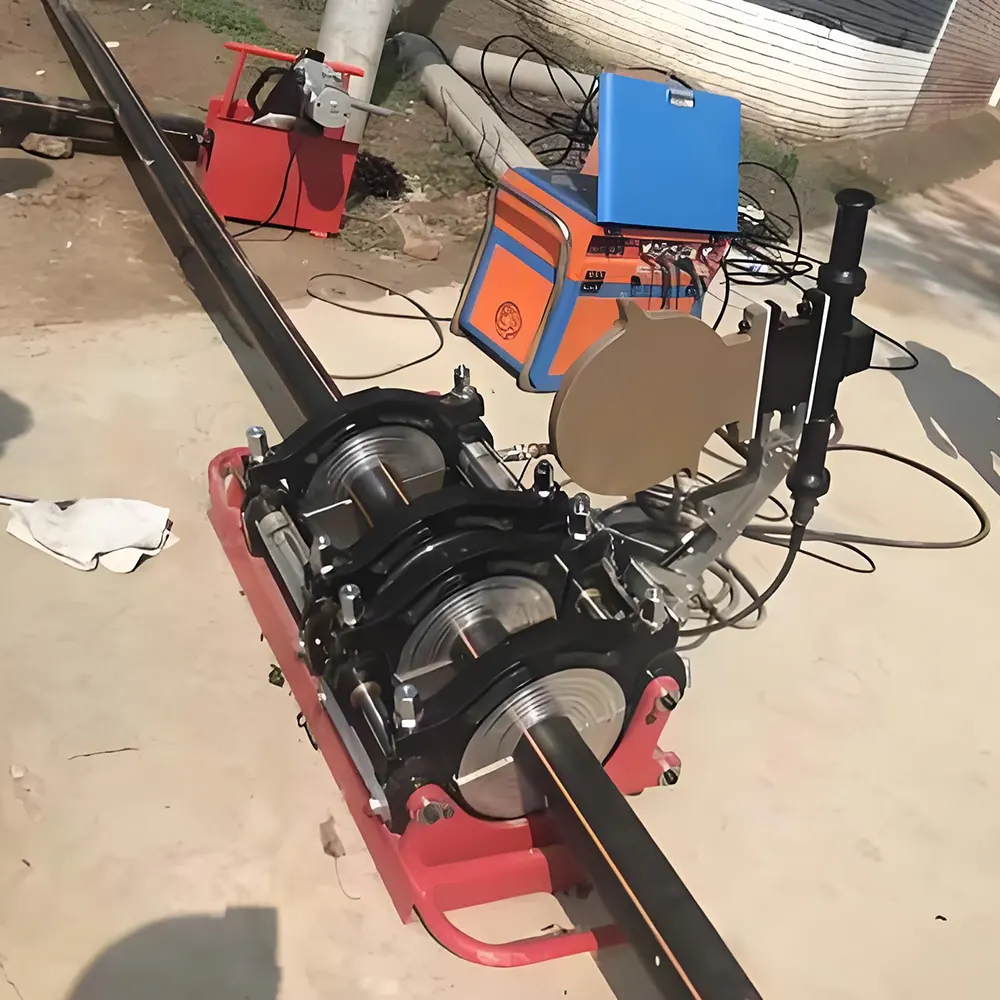
Practical Buyer Tips for Industrial Welding in Germany
Before purchase, evaluate total cost of ownership: spare parts availability within the EU, expected maintenance intervals, training for local operators, and warranty terms. Ask for sample weld reports and references from similar German projects (municipal utilities, energy companies, or large contractors).
On-Site Service & Training
Reliable manufacturers offer technical support, field service, and operator training in German or English. Short response times for repairs and spare parts supply within the EU are crucial to keep projects on schedule and avoid expensive downtime.
Selecting the Right Machine for Your Project
Match machine capacity to pipeline diameter, site constraints, and production targets. For fast urban reinstatement or small-diameter distribution work, manual or compact hydraulic units are efficient. For large trunk mains or factory welding lines, automated CNC systems improve consistency and throughput.
Top Considerations: Reliability, Documentation, and Local Compatibility
Reliable butt fusion operations require stable heating plates, consistent pressure systems, and accurate alignment frames. Additionally, the ability to export weld logs and adapt to German documentation practices helps with inspector acceptance and lifecycle asset management.
About a Trusted Manufacturer
JQ-Fusion is a professional manufacturer specializing in HDPE pipe welding machines, offering manual, hydraulic, and CNC automatic butt fusion solutions across a wide diameter range for water, gas, mining, and industrial systems. They emphasize durable builds, customization, and global support to meet diverse infrastructure needs.
Final Notes for German Buyers
When sourcing butt fusion equipment for Germany, prioritize suppliers who provide clear technical documentation, EU-compatible spare parts logistics, and training tailored to local crews. Proper selection upfront reduces repair risk and delivers long-term value for critical piping networks.



