
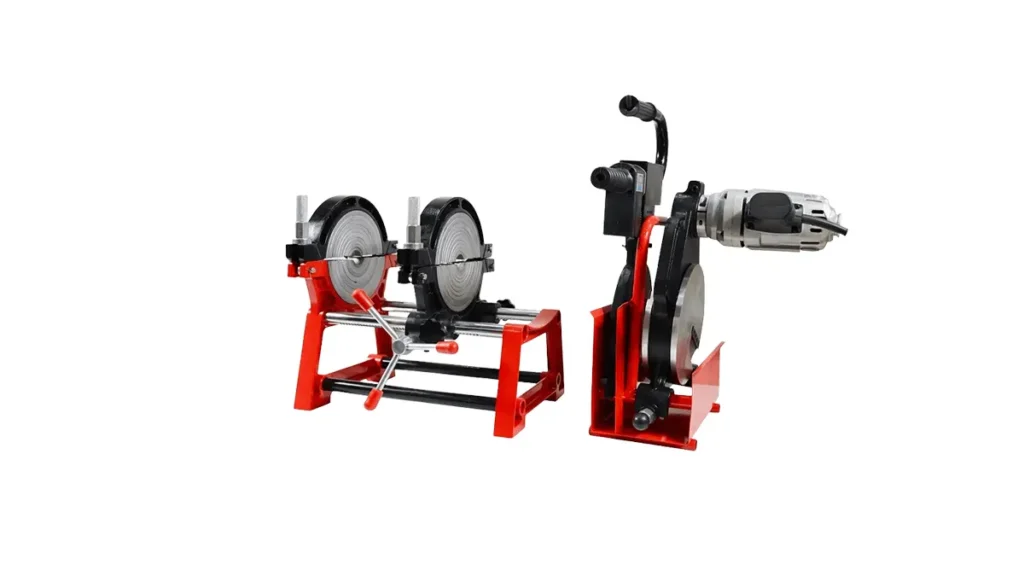
High-Density Polyethylene (HDPE) pipes have become the material of choice for modern gas pipeline networks due to their excellent corrosion resistance, flexibility, and long service life. The integrity of these pipelines, however, is entirely dependent on the quality of the joints connecting the pipes. Welding HDPE for gas applications is a specialized process that requires precision equipment, strict procedures, and skilled operators to ensure a leak-proof, fully fused joint that can withstand decades of pressure and environmental stress.
Core Welding Methods for HDPE Gas Pipelines
Two primary welding techniques are sanctioned for joining HDPE pipes in gas distribution: Butt Fusion and Electrofusion. Each method has its specific applications, advantages, and procedural requirements.
1. Butt Fusion Welding
Butt fusion is the most common method for joining long, straight sections of HDPE pipe of the same diameter. It creates a homogeneous joint that is as strong as the pipe itself. The process involves several critical steps:
Facing: The pipe ends are clamped in a butt fusion machine. A facing tool trims the ends simultaneously to ensure they are perfectly square, clean, and parallel, which is crucial for a uniform weld.
Heating: A heated plate (typically coated with a non-stick material) is inserted between the pipe ends. The ends are brought into contact with the plate under a specific, controlled pressure until a molten bead forms.
Bead Removal & Joining: The heater plate is removed, and the two molten ends are quickly brought together under a controlled fusion pressure. This pressure is maintained as the joint cools and crystallizes, forming a permanent bond.
2. Electrofusion Welding
Electrofusion is typically used for tie-ins, repairs, branch connections, or when joining pipes to fittings like elbows, tees, or valves. It involves using a socket fitting with an integrated wire coil.
Preparation: The pipe ends are scraped to remove oxidation and cleaned meticulously. The fitting and pipe are then clamped in position to prevent movement.
Fusion: Leads from a dedicated electrofusion control unit are connected to the fitting’s terminals. The unit supplies a precise voltage for a predetermined time, causing the wire coil to heat up. This heat melts the interior of the fitting and the exterior of the pipe, fusing them together as it cools.
Which Welding Method is Best for Gas Pipelines?
There is no single “best” method; the optimal choice depends on the project’s specific requirements, site conditions, and economic factors.
Advantages of Butt Fusion for Gas Pipelines:
- Joint Strength: Produces a seamless, full-strength joint ideal for long, main transmission lines.
- Efficiency for Long Runs: Faster and more cost-effective for welding multiple sections of straight pipe in trench or on-site.
- No Additional Components: Requires only the pipe and the welding machine, reducing material inventory.
For large-diameter, high-pressure gas mains, butt fusion is generally the preferred and specified method. The reliability of this process hinges on using a high-quality, well-calibrated butt fusion machine that maintains precise pressure and temperature control throughout the cycle.
Advantages of Electrofusion for Gas Pipelines:
- Versatility in Confined Spaces: Ideal for tight spaces, repairs, or complex networks where maneuvering a butt fusion machine is difficult.
- Simplicity: The process is less dependent on operator skill for pressure application, as the fusion controller automates the key parameters.
- Connection to Fittings: The only practical method for directly welding prefabricated HDPE fittings onto the pipe.
It is often the go-to solution for service line connections, main-to-service tees, and repair clamps in gas distribution networks.
Critical Success Factors for Gas Pipeline Welds
Regardless of the method, several non-negotiable factors determine the success and safety of an HDPE weld in gas service:
Qualified Personnel & Procedures: Operators must be trained and certified. Welding must follow qualified procedures (e.g., PQF) specifying parameters like temperature, pressure, and time.
Proper Equipment: Using reliable, well-maintained equipment from a reputable manufacturer is paramount. Companies like JQ-Fusion, with decades of experience, provide the butt fusion machines and electrofusion units that deliver the consistency required for critical gas infrastructure.
Meticulous Preparation: Pipe ends must be clean, dry, and free of scratches, oxidation, or contaminants. For electrofusion, scraping and cleaning are absolutely vital.
Environmental Control: Welding should not be performed in rain, high wind, or extreme temperatures unless adequate shelter and climate control are provided.
Cooling & Handling: The joint must be allowed to cool completely under zero movement before handling or pressurization. Rushing this step is a common cause of weld failure.
Frequently Asked Questions (FAQs)
1. Can HDPE pipes for gas be welded in cold weather?
Yes, but it requires special procedures. The welding equipment and pipes may need to be conditioned in a heated tent to bring them within the manufacturer’s specified temperature range (often 0°C to 40°C). Welding parameters, especially heating and cooling times, may need adjustment as per the procedure qualification.
2. How is the quality of an HDPE weld inspected and tested?
Visual inspection is the first step, checking for consistent bead roll and alignment. For critical gas lines, non-destructive testing (NDT) like ultrasonic testing is increasingly used to detect internal flaws. The final and most critical test is the pressure test of the completed pipeline section.
3. What is the single most common cause of HDPE weld failure in the field?
Improper preparation, particularly inadequate scraping and cleaning of the pipe surface before electrofusion, or failing to achieve a perfectly parallel face before butt fusion. Contamination (dirt, moisture, grease) at the joint interface is a primary failure initiator.
4. Is operator skill more important for butt fusion or electrofusion?
Butt fusion requires a higher degree of operator skill for machine setup, alignment, and manual pressure application during the changeover phase. Electrofusion relies more on the automated controller, but the operator’s skill in preparation and setup remains critically important for both.
5. Why is partnering with an experienced equipment manufacturer like JQ-Fusion important?
Gas pipeline projects demand absolute reliability. An experienced manufacturer provides not just durable and precise butt fusion machines, but also vital technical support, training, and assurance that the equipment meets international standards. This partnership mitigates risk and ensures project timelines and safety standards are met.



