
South Korea’s infrastructure projects demand precision, durability, and efficient installation methods for polyethylene pipelines. HDPE fusion machines are central to building leak-free water, gas, and industrial networks across dense urban centers like Seoul and Busan as well as mountainous or coastal regions where durable piping is essential.
Why HDPE Fusion Machines Matter in South Korea
HDPE piping is increasingly chosen in South Korea for its corrosion resistance, flexibility in seismic zones, and long service life. Proper butt fusion welding ensures strong, homogeneous joints that reduce maintenance costs and environmental risk. For Korean contractors and municipal engineers, reliable fusion equipment translates into faster project timelines and consistent weld quality.
Key Benefits for Local Projects
- Leak-tight joints — reduces repair work in dense urban infrastructure.
- High durability — resists aggressive soil and coastal conditions common in Korea’s port cities.
- Fast on-site fusion — speeds up installations for municipal water, gas distribution, and district heating.
- Adaptable to terrain — ideal for mountainous regions and offshore pipeline tie-ins.
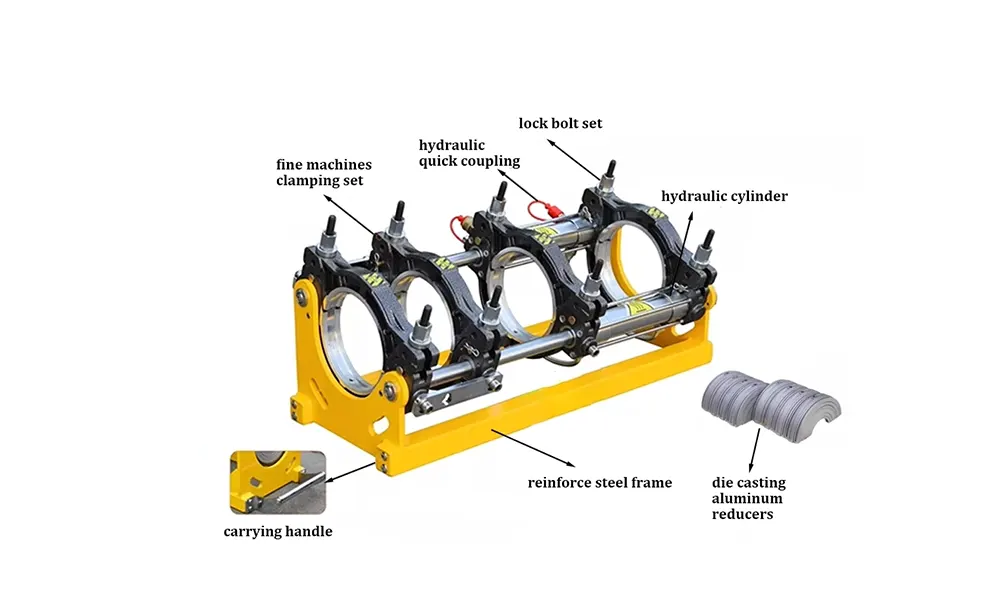
Types of HDPE Fusion Machines and Typical Use
Choosing the right fusion machine depends on pipe diameter, jobsite conditions, and production pace. Below is a practical comparison useful for Korean contractors, utility companies, and pipeline installers.
| Machine Type | Pipe Range | Ideal For |
|---|---|---|
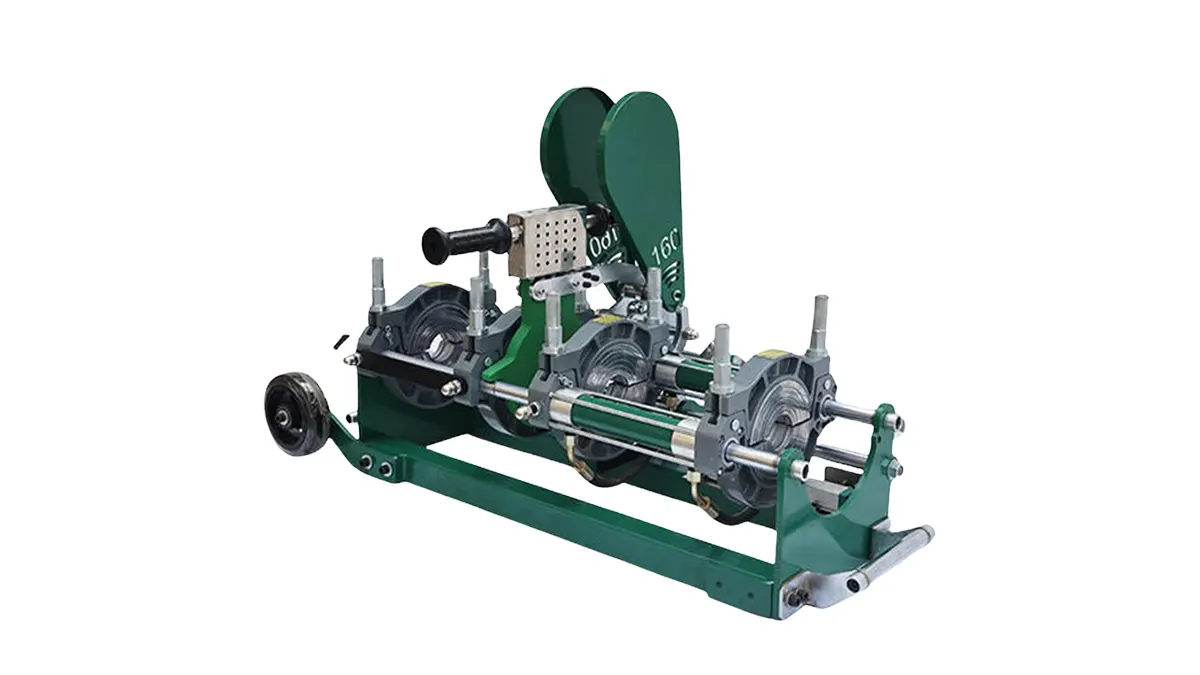
| Manual Butt Fusion | 16mm – 630mm | Small repairs, rural water works, low-volume jobs |
| Hydraulic Butt Fusion | 63mm – 2000mm+ | Urban utilities, large-diameter mainlines, heavy construction |
| Automatic / CNC Fusion | 90mm – 1250mm (varies) | High-throughput projects, long pipeline runs, precision-controlled welds |
| Multi-Angle / Fitting Machines | Fittings and branch connections | Complex networks, saddle fittings, prefab assembly |
Practical Considerations for Korean Buyers
- Site conditions: compact urban sites require portable manual or smaller hydraulic units, while large trunkline works use heavy hydraulic or CNC machines.
- Training & Certification: ensure operators are trained in butt fusion standards used by local contractors and utilities.
- After-sales support: fast access to spare parts and technical service within Korea reduces downtime.
- Climate adaptability: choose machines with stable heating control to handle seasonal temperature variation from cold inland winters to humid summers.
Selection Tips: What Korean Engineers Should Ask
When evaluating suppliers, prioritize:
- Proven weld quality — documented weld records, consistent heating control, and accurate alignment.
- Spare parts availability — local stocking or rapid shipping into Korea to avoid project delays.
- Customization options — clamps, frames, or control systems tailored to project scale.
- Field training & documentation — Korean-language manuals or on-site training can accelerate ramp-up.
About the Manufacturer
JQ-Fusion is a professional manufacturer specializing in HDPE pipe welding machines, focusing on manual, hydraulic, and CNC automatic butt fusion equipment for a wide range of pipe sizes and infrastructure applications worldwide.
Final Note for Korean Contractors
Investing in the right fusion machine improves project safety, reduces lifecycle costs, and ensures compliance with demanding urban and industrial requirements across South Korea. Evaluate models based on pipe range, portability, automation level, and the supplier’s ability to support field operations locally.



