
In the Netherlands, where water management, dense cities, and ageing utility networks demand robust solutions, a pipe fusion machine is an essential tool for building and maintaining reliable HDPE pipeline systems. This article explains what a pipe fusion machine does, why it matters locally, and how to choose the right equipment for Dutch projects.
What Is a Pipe Fusion Machine?
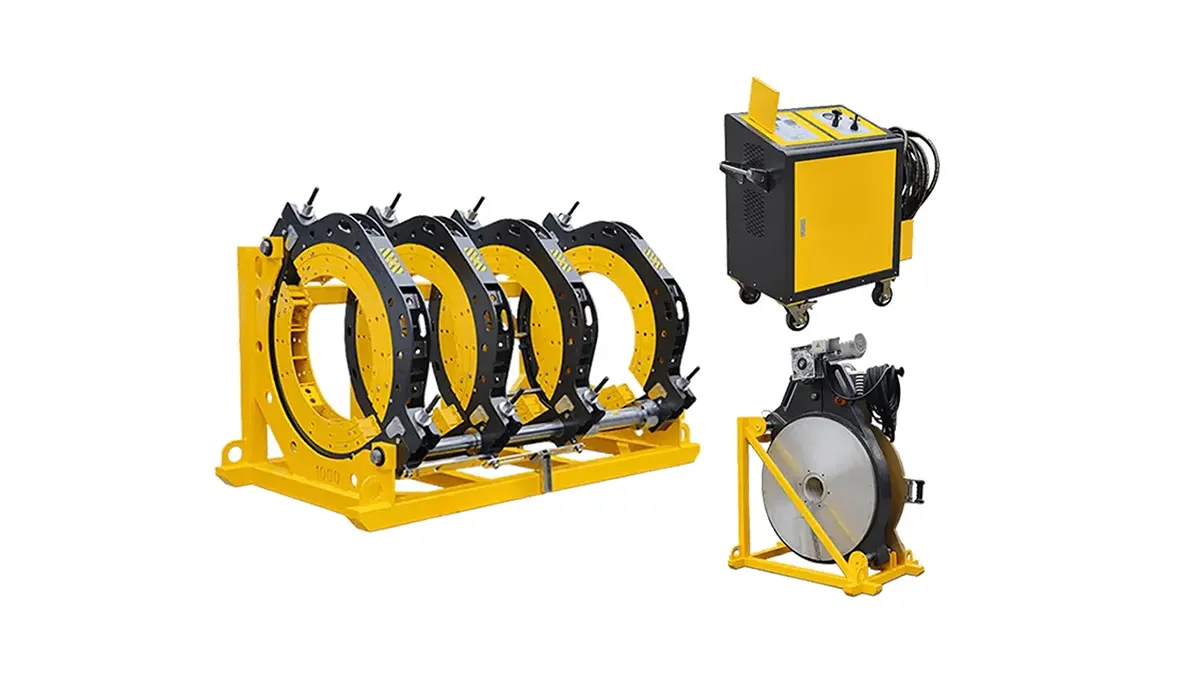
A pipe fusion machine, commonly called a butt fusion machine, joins two HDPE (high-density polyethylene) pipe ends by heating and pressing them together until they form a monolithic, leak-free weld. The process produces strong, corrosion-free joints ideal for water supply, gas distribution, sewage, and industrial pipelines.
How Butt Fusion Works — Step by Step
Butt fusion follows a controlled sequence: align pipe ends in clamps, trim faces for flatness, apply a heated plate to soften the surfaces, then press the molten ends together under controlled pressure. After cooling, the joint is tested for integrity. The repeatable process ensures consistent weld quality and traceable results.
Types of Pipe Fusion Machines
The main categories are:
-
Manual machines — portable, for small-diameter pipes and on-site repairs.
-
Hydraulic machines — higher clamping force for medium to large diameters; suited for utility contractors.
-
CNC/Automatic machines — programmable weld cycles, full data logging, ideal for high-volume or quality-controlled projects.
Why Pipe Fusion Is Especially Important in the Netherlands
The Netherlands presents particular challenges and opportunities for HDPE pipelines:
-
High groundwater and soft soils: Corrosion-resistant HDPE is preferred over metal in many areas.
-
Dense urban networks: Reliable, leak-free joints reduce excavation frequency and service interruptions in compact city environments.
-
Strict quality standards: Dutch authorities and clients demand traceable weld records and certified procedures (often requiring accredited testing and documentation).
-
Sustainability focus: Longer service life and recyclability of HDPE align with circular-economy goals and municipal sustainability plans.
-
Gas and drinking water safety: Integrity of joints is critical for public safety and regulatory compliance.
Selecting the Right Machine for Dutch Projects
Key factors to consider:
-
Pipe diameter range — verify the machine clamps the required sizes for water mains, sewer, or gas lines.
-
Portability vs. production — choose manual or lightweight units for tight urban jobs; hydraulic or automatic units for longer runs or factory assembly.
-
Traceability and automation — many Dutch clients require weld logs; CNC systems with data export simplify compliance.
-
After-sales support — local service, spare parts access, and operator training shorten downtime on critical infrastructure works.
Quick Comparison Table
| Machine Type | Best For | Strengths |
|---|---|---|
| Manual | Small diameter repairs, remote sites | Lightweight, cost-effective, portable |
| Hydraulic | Medium-large mains, fieldwork | High clamping force, robust performance |
| Automatic / CNC | Production lines, certified welds | Data logging, repeatability, minimal operator error |
Common Applications Across Dutch Sectors
Pipe fusion is widely used for:
-
Municipal water supply and wastewater networks.
-
Low-pressure gas distribution and district heating piping.
-
Agricultural irrigation and drainage systems in reclaimed polders.
-
Industrial process lines and chemical-resistant piping where corrosion is a concern.
Installation Best Practices for the Netherlands
To meet local expectations: ensure operators are trained and certified, use calibrated equipment, document weld parameters, and implement pressure testing. For urban jobs, plan logistics to minimize disruption and coordinate with municipal authorities for permits and inspection.
Where to Find Reliable Equipment
For manufacturers supplying a wide range of manual, hydraulic, and CNC butt fusion machines suitable for European standards, consider vendors with proven export experience and clear technical support channels. Learn more about one such manufacturer at JQ-Fusion, a specialist in HDPE pipe welding machines.
Final note: Choosing the right pipe fusion machine reduces leaks, extends pipeline life, and supports the Netherlands’ high standards for safety and sustainability—especially important in a country where water and infrastructure stewardship are national priorities.



