
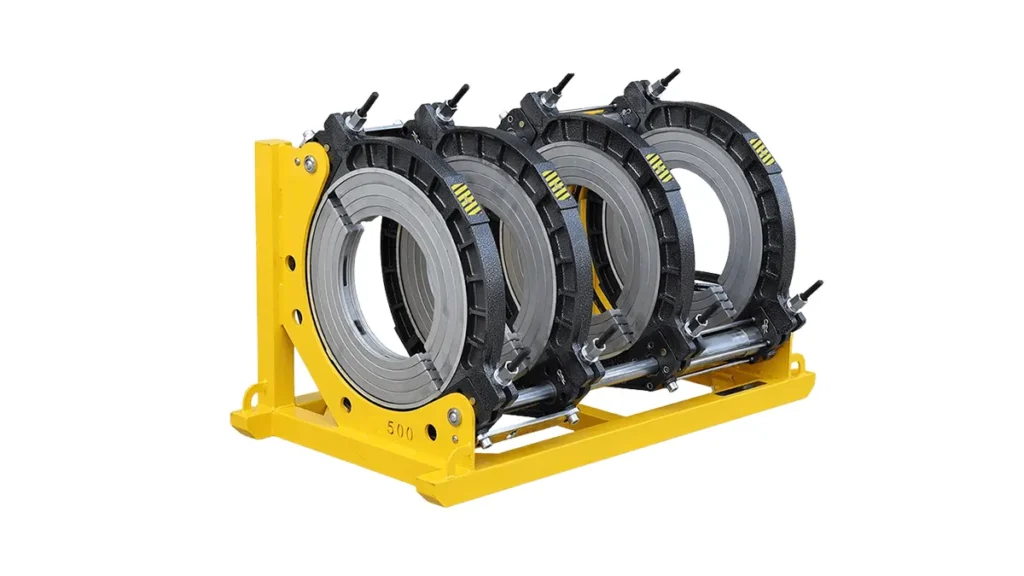
Gas pipeline projects in Tanzania demand welding equipment that combines reliability, safety and adaptability to local conditions. Contractors, utility teams and rural gas distributors are increasingly choosing HDPE butt fusion and electrofusion technologies for leak-free, long-lasting joints in transmission and distribution networks. This guide outlines the right welding solutions for Tanzania’s gas infrastructure, procurement tips, and practical maintenance advice.
Why HDPE Welding Is Preferred for Gas Pipelines in Tanzania
Durability and leak resistance — HDPE joints produced by butt fusion or electrofusion create homogeneous connections that resist corrosion and chemical attack, a major advantage in coastal and inland Tanzanian environments. For remote communities and expanding urban centers such as Dar es Salaam and Arusha, long-term reliability reduces repair costs and service interruptions.
Climate and site adaptability
Tanzania’s varied climate — from humid coastal zones to dryer inland regions — requires machines that perform consistently across temperature and humidity ranges. Look for welding equipment with robust thermal control and sealed electronics to withstand dust and moisture.
Safety and regulatory compliance
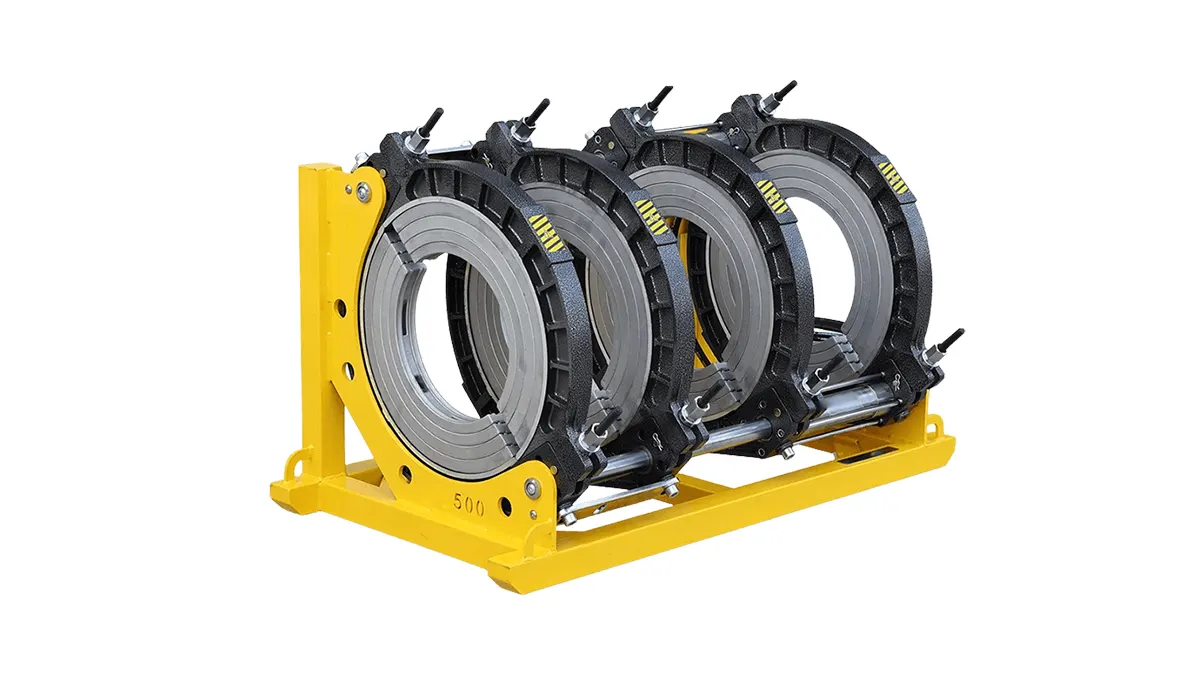
Gas safety standards for pipeline installation and commissioning require certified joints and traceable welding records. Automated and CNC-controlled butt fusion machines often include data logging features that support inspection and regulatory compliance for gas distribution projects.
Choosing the Right Welding Machine for Your Project
Selection depends on pipe diameter, project scale, field conditions and crew skill levels. Below is a quick reference to match common Tanzanian gas project needs with machine types.
| Machine Type | Pipe Range (mm) | Best For | Key Benefit |
|---|---|---|---|
| Manual Butt Fusion | 20–160 | Small rural networks, service connections | Portable, low cost |
| Hydraulic Butt Fusion | 160–1000+ | Medium to large distribution lines | Stable pressure control, consistent joints |
| Automatic / CNC Butt Fusion | 63–1200+ | High-volume urban projects | Data logging, repeatable accuracy |
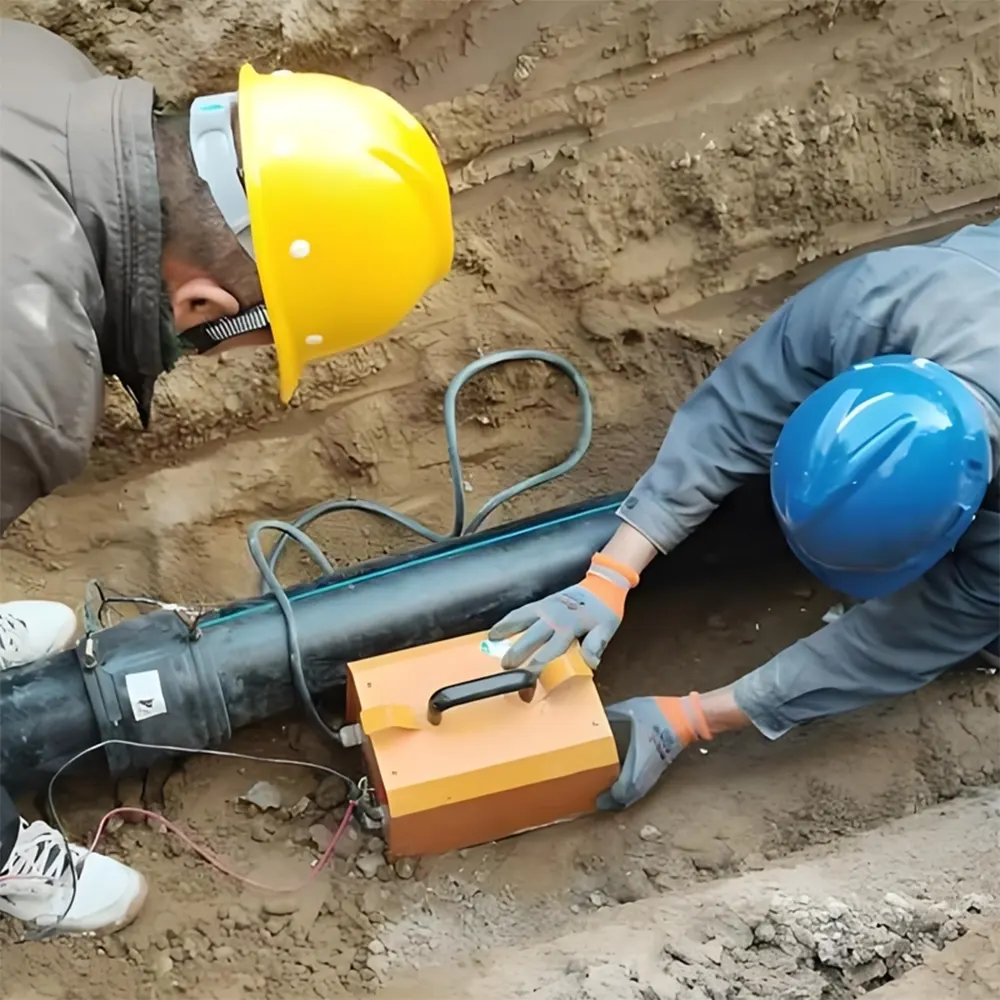
| Electrofusion | 20–1600 (with fittings) | Complex fittings, repair work | Ease of small-joint installations |
Common Use Cases in Tanzania
Urban distribution: automated and hydraulic butt fusion machines speed up large-diameter installations for city gas grids. Rural distribution and household connections: manual butt fusion and electrofusion tools provide flexibility for off-grid or scattered settlements. Mining and industrial clients in Tanzania can benefit from heavy-duty hydraulic and CNC machines for high-pressure lines.
Local workforce and training
Invest in on-site training for weld operators. Machines with clear user interfaces and built-in welding programs shorten the learning curve for technicians in Tanzania. Consider local language training materials and periodic competency checks to maintain high-quality joints.
Maintenance tips for Tanzanian sites
Regularly clean heating plates and clamps, protect control units from dust and moisture, and store consumables properly. For coastal regions, apply corrosion-resistant practices and schedule more frequent inspections. Keep an inventory of spare parts — heaters, clamps, hydraulic hoses — to avoid downtime during rainy seasons or in remote locations.
Procurement and support considerations
When sourcing equipment, evaluate warranty terms, spare-parts availability, shipping times to East Africa, and local or regional service partners. Machines with modular components and global support networks reduce lifecycle costs and improve uptime.
Performance & QC: What to Look For
Key performance indicators for welding equipment include consistent fusion temperature control, accurate alignment systems, pressure stability during cooling, and digital documentation of weld cycles. Prioritize models with testable QA/QC routines to ensure joints meet gas industry integrity requirements.
Certification and testing
Seek machines that support industry-standard testing methods and can produce traceable weld records. Certifications from recognized bodies or compliance with ISO/DIN standards are beneficial for large contractors bidding on public and private gas projects in Tanzania.
Next Steps
For tailored machine recommendations, spare parts, and project budgeting for gas pipeline work in Tanzania, consider contacting a specialist manufacturer and supplier with global experience in HDPE fusion equipment: JQ-Fusion. They offer manual, hydraulic, and automated butt fusion and electrofusion solutions suitable for diverse Tanzanian projects.
Quick checklist before purchase
Confirm pipe diameters, expected daily welds, site conditions (humidity, access), operator skill level, warranty & spare parts, and required documentation for regulatory compliance.



