
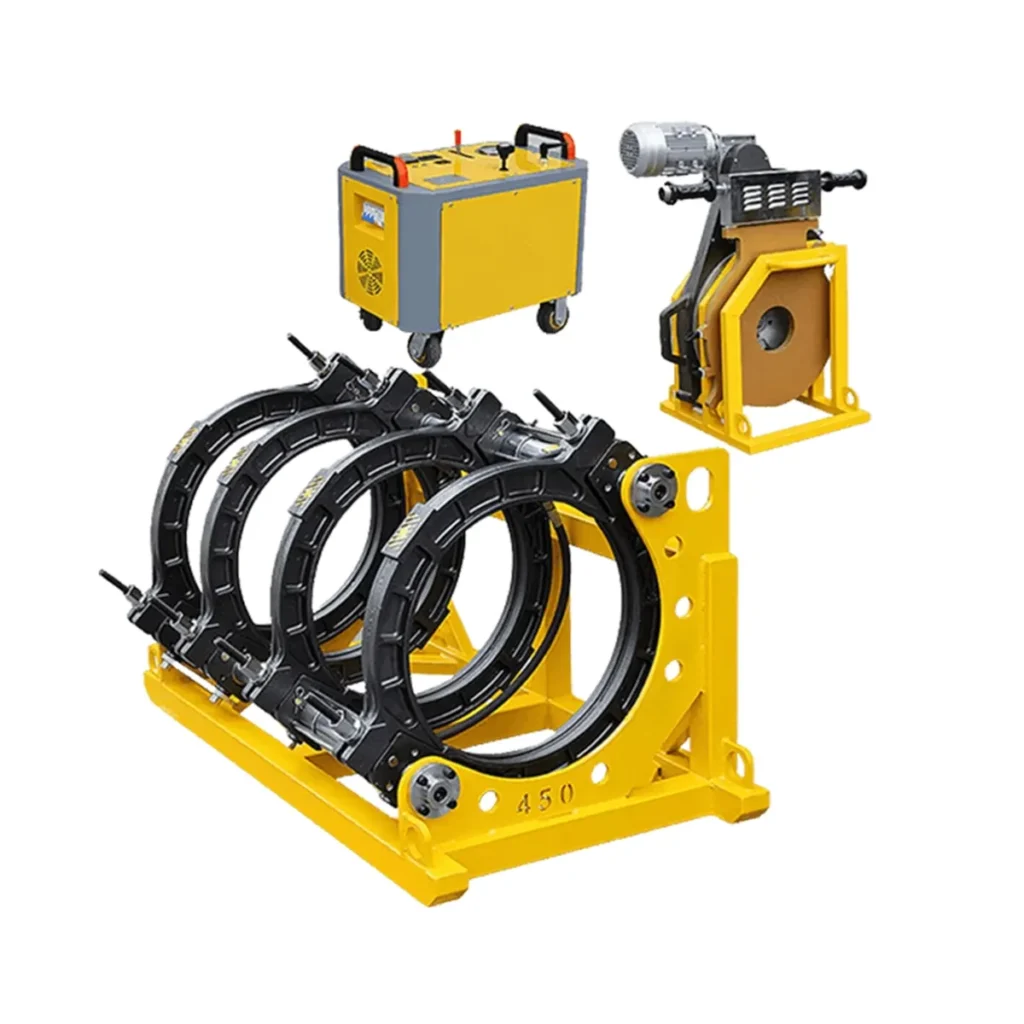
Understanding plastic pipe welding machine price helps contractors, distributors, and infrastructure owners make informed investments. This guide explains why costs vary, how to evaluate options for value, and practical tips to get long-term performance from HDPE butt fusion, electrofusion, and multi-angle fitting machines.
Why Prices Differ: Key Cost Drivers
Not all welding machines are created equal. Several factors shape the price you’ll see in quotes and catalogs:
-
Machine type: Manual, hydraulic, and CNC automatic machines have very different components and control systems.
-
Pipe diameter range: Large-diameter machines require heavier frames, stronger hydraulics, and often custom fixtures.
-
Control & automation: Intelligent controllers, PLCs, and data-logging add to cost but improve repeatability and traceability.
-
Material & build quality: Hardened clamping jaws, anodized heating plates, and high-grade hydraulic components increase longevity.
-
Certification & warranty: Certified machines and extended warranties usually cost more upfront but reduce lifecycle risk.
-
After-sales support & spares availability: Local support and ready spare parts affect total cost of ownership.
Common Price Ranges (Indicative)
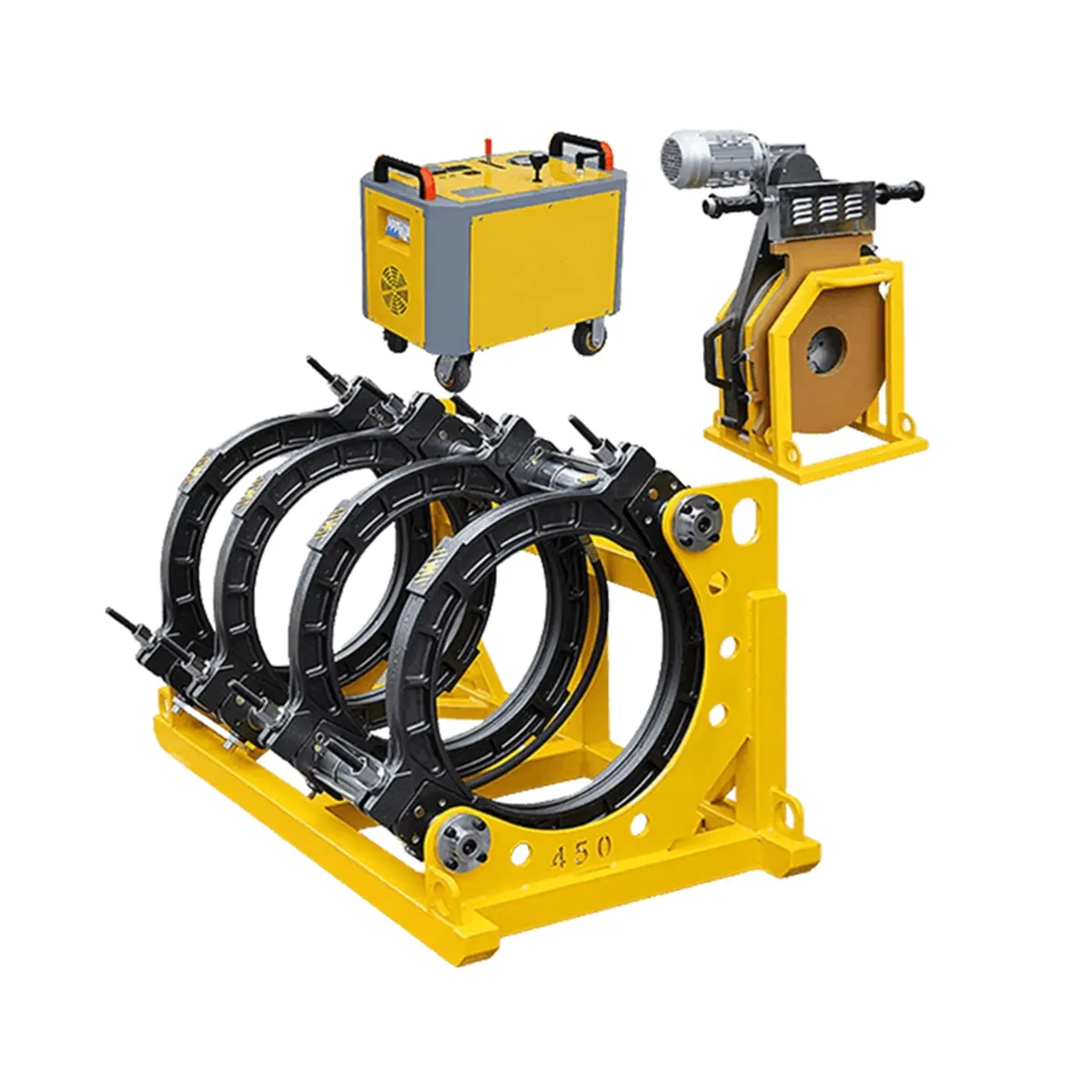
Below is a compact comparison to help you map budget to machine capability. These ranges are indicative and will vary by region, configuration, and vendor.
| Machine Type | Typical Price Range (USD) | Best For | Key Benefit |
|---|---|---|---|
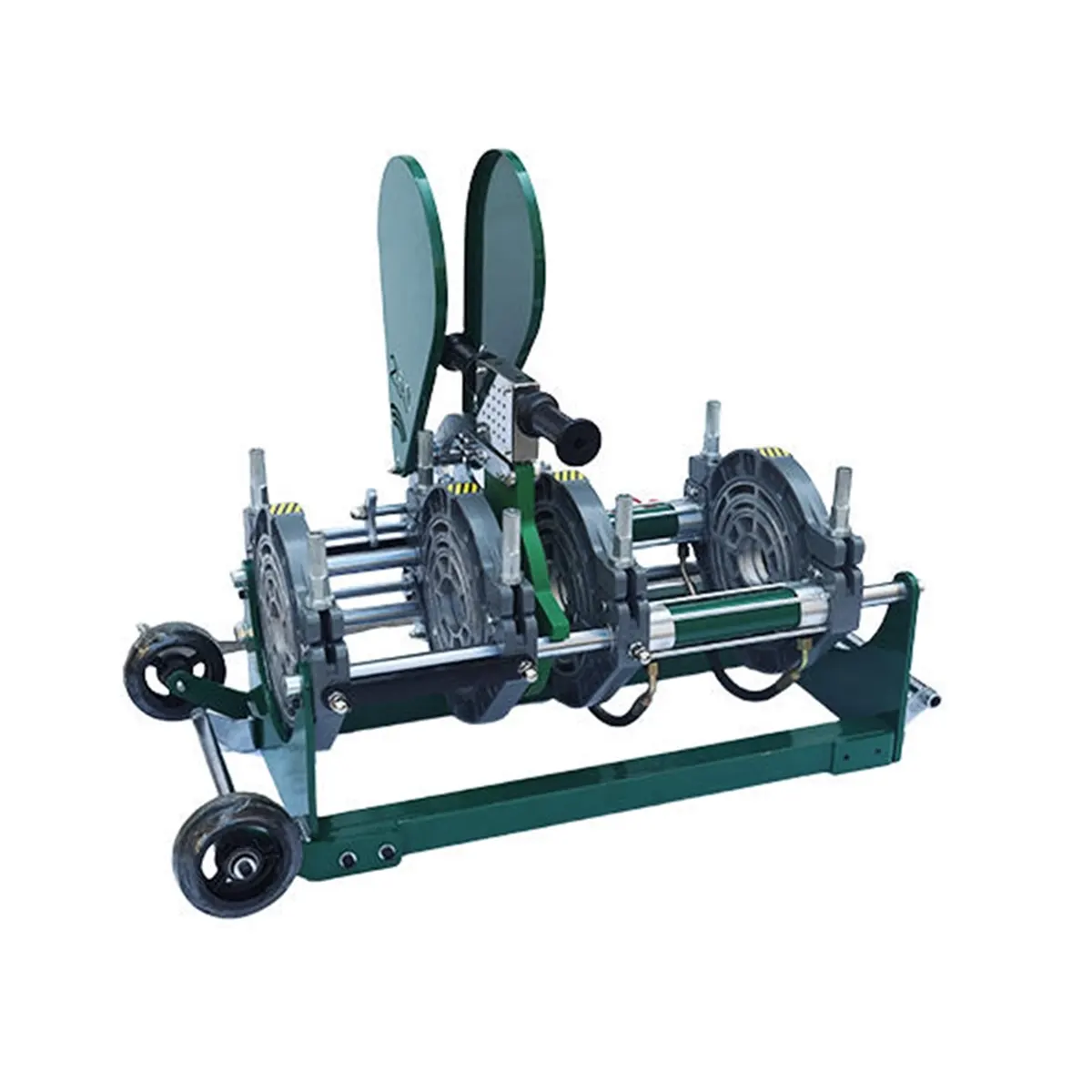
| Manual Butt Fusion | $800 – $4,500 | Small site jobs, repair work | Low initial cost, portable |
| Hydraulic Butt Fusion | $3,500 – $30,000+ | Routine pipeline installation, larger diameters | Consistent pressure control, durability |
| Automatic / CNC Butt Fusion | $10,000 – $120,000+ | High-volume projects, long-term contractors | High precision, data logging, faster cycle time |
| Multi-Angle Fitting Machines | $8,000 – $60,000 | Fabrication shops, complex fittings | Repeatable fitting production, reduced labor |
Match Machine to Project Needs
Choosing the best value means aligning machine capability with project requirements:
-
Occasional repairs or small installations: A reliable manual machine may deliver the best ROI.
-
Frequent on-site welding of medium pipes (DN63–DN315): Hydraulic units strike a balance of cost and productivity.
-
Large diameter or high-throughput contracts: Automatic machines reduce operator variability and save time on long-term projects.
-
Fabrication of fittings and tees: Multi-angle fitting machines increase consistency and reduce rework.
Evaluating Value: More Than Just Price
When comparing suppliers and models, weigh these criteria to uncover true value:
-
Total cost of ownership: Consider fuel/electricity, spare parts, maintenance intervals, and workshop downtime.
-
Throughput & cycle time: Faster cycles reduce labor cost per joint on large projects.
-
Accuracy & traceability: For utility contracts, data-logged weld records can be required by standards.
-
Ease of training & operation: Intuitive controls shorten training time and reduce operator errors.
-
Portability vs. fixed installation: A lighter unit may be cheaper to transport for dispersed jobs.
Warranty, Service & Certification
Accepting the lowest bid without service assurances can be false economy. Check for:
-
Clear warranty terms and response times for repairs.
-
Local or regional service partners and availability of spare parts.
-
Compliance with relevant welding and pipeline standards for your market.
How JQ-Fusion Can Help
JQ-Fusion manufactures a full range of HDPE pipe welding machines—from manual frames to CNC automatic butt fusion and multi-angle fitting systems—designed for durability, traceability, and on-site practicality.
Practical Buying Tips
1. Define your typical pipe sizes and daily weld volume before requesting quotes. 2. Ask for data-logging demos for automatic machines. 3. Request a spare-parts list and lead times. 4. Compare lifecycle costs, not only the purchase price.
Investing in the right welding machine means balancing upfront price with durability, support, and productivity. Use the comparison table above and the checklist points to identify the best value option for your workflow and long-term projects.



