
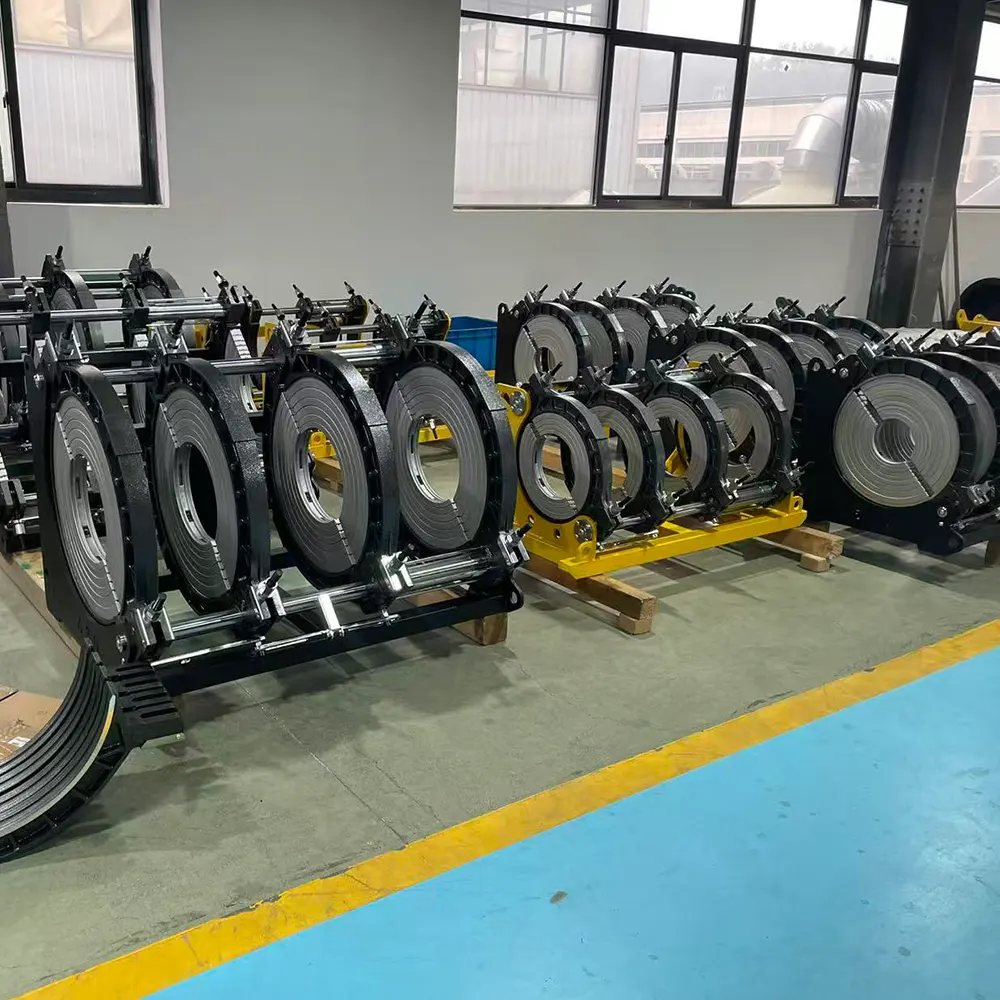
Surface preparation is one of the most important steps in fusion welding because the quality of the final joint begins long before the heater plate is applied. In many pipeline projects, weld defects are not caused by the welding machine alone, but by poor preparation of the pipe ends, contaminated surfaces, or misalignment during setup. When the surface is properly prepared, the fusion process can create a strong, uniform, and durable bond that performs reliably under pressure and in demanding environments.
Fusion welding is widely used in HDPE pipeline construction for water supply, gas distribution, mining, and industrial systems. In these applications, the welded joint must be as dependable as the pipe itself. That is why surface preparation should never be treated as a minor task. It is a technical step that affects heating, material flow, bead formation, and long-term joint strength. Whether using a manual, hydraulic, or CNC system, the operator must understand that clean and correctly aligned surfaces are essential for success.
At JQ-Fusion, a professional manufacturer of HDPE pipe welding machines, we have seen how consistent preparation improves welding quality across different project conditions. With more than 20 years of experience in butt fusion solutions, we know that stable performance comes from both advanced equipment and disciplined preparation. If you want to learn more about equipment options, you can explore our butt fusion machine solutions designed for global pipeline projects.
What Surface Preparation Means in Fusion Welding
Surface preparation refers to the process of making the pipe ends ready for welding by removing contamination, improving alignment, and creating clean contact surfaces. The goal is to ensure that the heated material can fuse evenly without interference from dust, grease, oxidation, moisture, or damaged pipe layers. In butt fusion welding, even a thin layer of contamination can weaken the bond and reduce the reliability of the completed joint.
Preparation usually includes several practical actions. The pipe ends must be cut square, clamped correctly, faced to remove irregularities, and cleaned thoroughly before heating begins. The operator must also check that the pipe surfaces are dry and free from scratches, deep marks, or deformation. These steps may sound simple, but they determine whether the weld will be strong enough for long-term operation.
Key point: A fusion weld is only as good as the condition of the surfaces being joined. If the preparation is poor, no amount of heating or pressure can fully correct the problem.
Why It Matters So Much
Surface preparation matters because fusion welding relies on molecular bonding. During the heating stage, the pipe material softens and flows together to form a single continuous structure. If the surface is contaminated or uneven, the material cannot merge correctly. Instead of forming one integrated joint, the weld may trap impurities or create weak zones that later fail under stress.
This issue is especially serious in pipeline systems that transport water, gas, or industrial media. A failed joint can lead to leakage, pressure loss, maintenance shutdowns, or costly repair work. In some cases, joint failure can create serious safety risks. Proper preparation helps prevent these problems by creating the best possible conditions for fusion.
Another reason surface preparation matters is repeatability. Projects often require many welds across long distances, and each joint should meet the same quality standard. Clean and accurate preparation helps operators produce consistent results, which is essential for large-scale infrastructure work.
Important: Good preparation improves not only weld strength, but also efficiency, inspection results, and overall project reliability.
Common Surface Problems Before Welding
Several common issues can affect the quality of a fusion weld. The first is contamination. Dust, oil, moisture, and chemical residue can all interfere with the bonding process. Even fingerprints can introduce unwanted substances onto the surface. The second issue is oxidation. When pipe ends are exposed to air for too long, especially in certain weather conditions, a thin oxidized layer can form and reduce fusion quality.
Another frequent problem is uneven cutting or poor facing. If the pipe ends are not square, they will not align properly in the machine. This can produce uneven heating and an irregular bead. Misalignment is also a major concern because it places stress on the joint and creates inconsistent pressure across the fusion area.
Surface damage should also be checked carefully. Scratches, gouges, and deformed edges may seem minor, but they can affect the way heat spreads through the material. In a well-prepared joint, the pipe ends should be uniform, clean, and properly supported inside the clamping system.
Tip: Before welding, inspect the pipe ends under good lighting and remove anything that could prevent full contact during fusion.
Step-by-Step Preparation for Better Fusion
The preparation process begins with inspection. Operators should confirm that the pipe material, diameter, wall thickness, and welding parameters match the project requirements. After that, the pipe ends are positioned in the clamps and checked for alignment. Proper clamping is essential because it keeps the surfaces stable while facing and heating take place.
Next comes facing. A facing tool removes a thin layer from each pipe end to create smooth, parallel, and clean surfaces. This step eliminates minor imperfections and exposes fresh material ready for fusion. Once facing is complete, the surfaces must be cleaned with suitable, non-contaminating materials. The cleaning method should remove dust and residues without leaving fibers or chemical traces behind.
After cleaning, the operator should avoid touching the prepared surfaces. Even a small amount of dirt transferred from gloves or tools can reduce weld quality. The prepared ends should then be brought together for a final check before the heating cycle begins. If alignment, cleanliness, and spacing are correct, the fusion stage can proceed with confidence.
Best practice: Preparation should be completed immediately before welding to reduce the chance of recontamination or oxidation.
How Preparation Affects Heat Transfer and Joint Strength
Fusion welding works by applying controlled heat to the pipe ends and then joining them under precise pressure. If the surfaces are smooth and evenly prepared, heat transfer occurs more predictably. This helps create a consistent melt zone and a uniform fusion bead. When the surfaces are dirty or uneven, heat distribution becomes irregular, and the resulting joint may have weak or incomplete bonding areas.
Joint strength depends on how fully the two pipe ends merge during cooling. A properly prepared surface allows the molten material to flow and blend without interference. As the weld cools, the joint solidifies into a continuous structure. This structure should be strong enough to handle internal pressure, thermal variation, and external mechanical loads. Good preparation is therefore not just a surface-level task; it directly supports structural integrity.
For large projects, this is especially important because a single weak joint can create a maintenance issue over a wide pipeline network. Clean and accurate preparation helps ensure that every weld contributes to the system’s durability.
The Role of Equipment Quality in Preparation
Although preparation depends heavily on operator skill, the welding machine also plays a major role. A reliable butt fusion system helps maintain alignment, stable pressure, and accurate heating control. Machines with precise clamps and facing tools make preparation easier and improve final consistency. This is one reason why many contractors prefer equipment designed for professional pipeline work.
JQ-Fusion focuses on manual, hydraulic, and CNC automatic systems that support a wide range of pipe diameters and project requirements. Our equipment is used in water supply systems, gas distribution networks, mining projects, and industrial installations worldwide. We also provide flexible OEM and ODM customization, helping clients match machine configurations to specific project needs.
Our manufacturing process includes strict quality control, including temperature accuracy, hydraulic pressure stability, and clamp alignment inspection. These features help ensure that surface preparation and fusion welding work together effectively on the job site. If the machine performs consistently, operators can focus on preparation with greater confidence and achieve better results.
Note: Advanced equipment does not replace preparation, but it makes high-quality preparation easier to execute and maintain across repeated welds.
Practical Standards for Job Site Preparation
On job sites, preparation standards should be clear and repeatable. Operators should use clean tools, keep preparation materials organized, and follow a fixed procedure for each weld. The work area should be protected from wind, rain, and excessive dust whenever possible. In outdoor projects, environmental control can be just as important as technical skill because contamination can occur quickly.
Training is also essential. A well-trained operator understands how to identify surface defects, verify alignment, and prepare pipe ends without damaging the material. Teams should be taught to recognize what a proper surface looks like and when a pipe section needs additional correction or replacement. This reduces rework and helps maintain welding quality across the project.
Inspection after preparation is another good habit. Before heating begins, the operator or supervisor should verify that the surfaces are clean, square, and ready for fusion. This small check can prevent expensive mistakes later.
Why Contractors Pay Attention to Preparation
Contractors understand that project success depends on time, quality, and reliability. Poor welding preparation can slow down the schedule, increase material waste, and create unnecessary repairs. In contrast, disciplined preparation improves productivity because fewer welds fail inspection and fewer joints need to be redone.
For distributors and project managers, machine performance and preparation quality are both part of the value chain. A strong welding system supports better project outcomes, while good preparation practices protect that investment. This is why many companies choose equipment suppliers who can offer not only machines, but also technical guidance, training, and responsive support.
At JQ-Fusion, we emphasize stable welding performance, customized solutions, strict quality assurance, fast delivery, and professional technical support. These strengths help customers achieve dependable results in real-world pipeline construction. From product selection to after-sales service, our goal is to support successful welding operations at every stage.
Final Thoughts
Surface preparation for fusion welding is not an optional extra. It is the foundation of a strong and durable welded joint. Clean surfaces, correct alignment, accurate facing, and careful handling all work together to create the conditions needed for successful fusion. When preparation is done correctly, the weld is stronger, more consistent, and more reliable over time.
For HDPE pipeline projects, the benefits are clear: better joint quality, fewer defects, improved safety, and longer service life. Whether the work involves water supply, gas distribution, mining, or industrial pipelines, surface preparation should always receive the attention it deserves. Combining proper technique with reliable equipment is the best way to achieve professional welding results.
Frequently Asked Questions
Q1: Why is surface preparation necessary before fusion welding?
It removes contamination, improves alignment, and creates clean contact surfaces so the material can fuse evenly and form a strong joint.
Q2: What happens if the pipe surface is dirty or oily?
Contamination can interrupt heat transfer and prevent proper bonding, which may lead to weak joints, leaks, or weld failure.
Q3: Does surface preparation affect weld strength?
Yes. Proper preparation directly improves the quality of molecular bonding and helps the finished joint reach its intended strength.
Q4: Can a high-quality machine fix poor surface preparation?
No. A good machine supports the process, but it cannot fully compensate for dirty, misaligned, or damaged pipe surfaces.
Q5: How can operators keep preparation consistent on site?
By following a standard procedure, using clean tools, checking alignment carefully, and inspecting the surfaces immediately before welding.



