
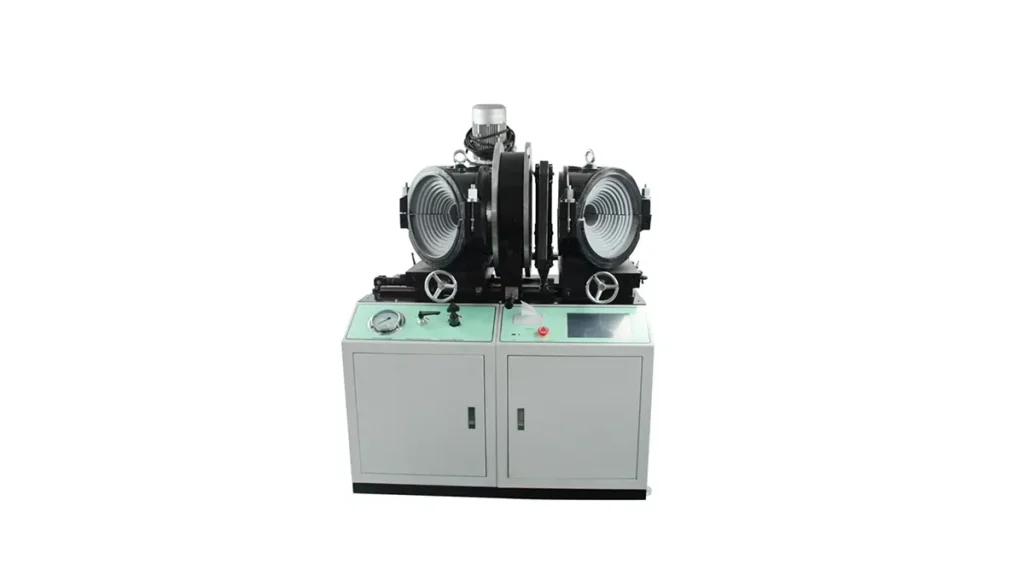
Plastic pipe welding demands precision, consistency, and equipment you can rely on. For contractors, utilities, and infrastructure projects, partnering with a reputable plastic pipe welder manufacturer ensures safe, long-lasting joints in HDPE, PP, and other thermoplastic piping systems. This guide outlines what to look for when selecting high-quality welding solutions and how professional machines improve productivity and weld integrity.
Why Choose a Professional Plastic Pipe Welder Manufacturer
Professional manufacturers design machines with repeatable heating profiles, accurate alignment systems, and robust construction to withstand jobsite conditions. A trusted supplier delivers machines that minimize human error, reduce rework, and comply with industry welding standards. Investing in reliable equipment improves uptime, lowers lifecycle costs, and supports safer installations on water, gas, mining, and industrial projects.
Product Range: Manual, Hydraulic, Automatic & Electrofusion
Top manufacturers offer a wide toolbox of welding machines to suit different pipe sizes and site demands:
Manual butt fusion machines — compact and portable for small-diameter pipes and fieldwork.
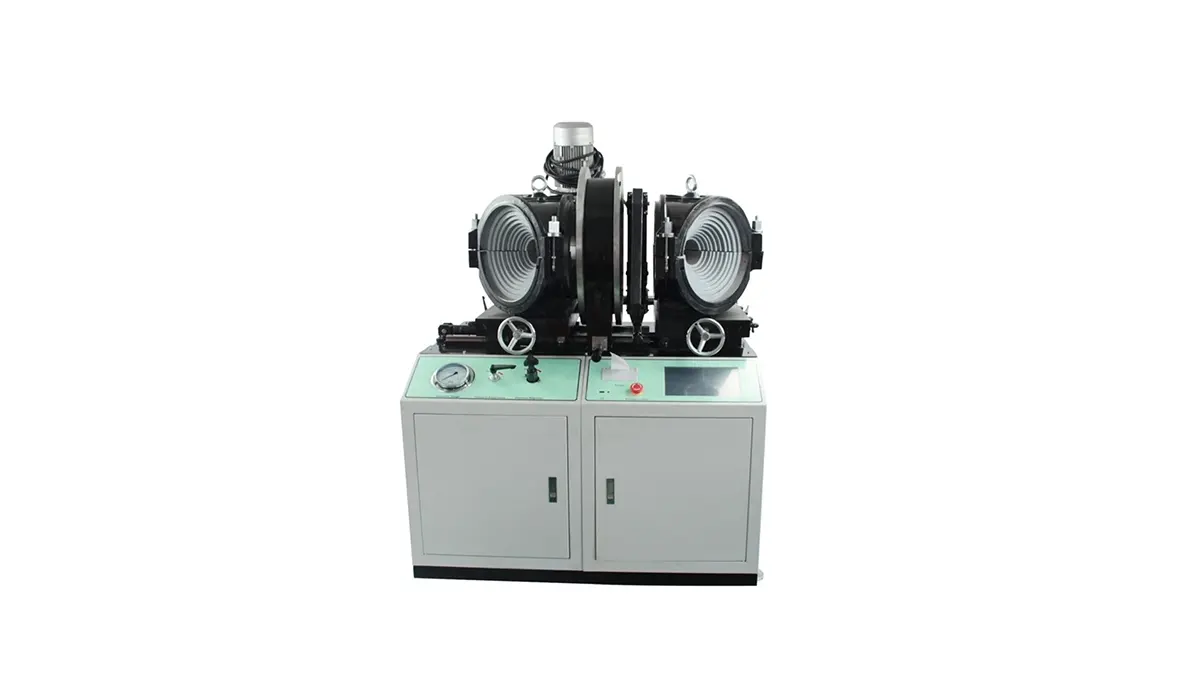
Hydraulic butt fusion systems — provide higher clamping force and are ideal for medium to large diameters and more demanding projects.
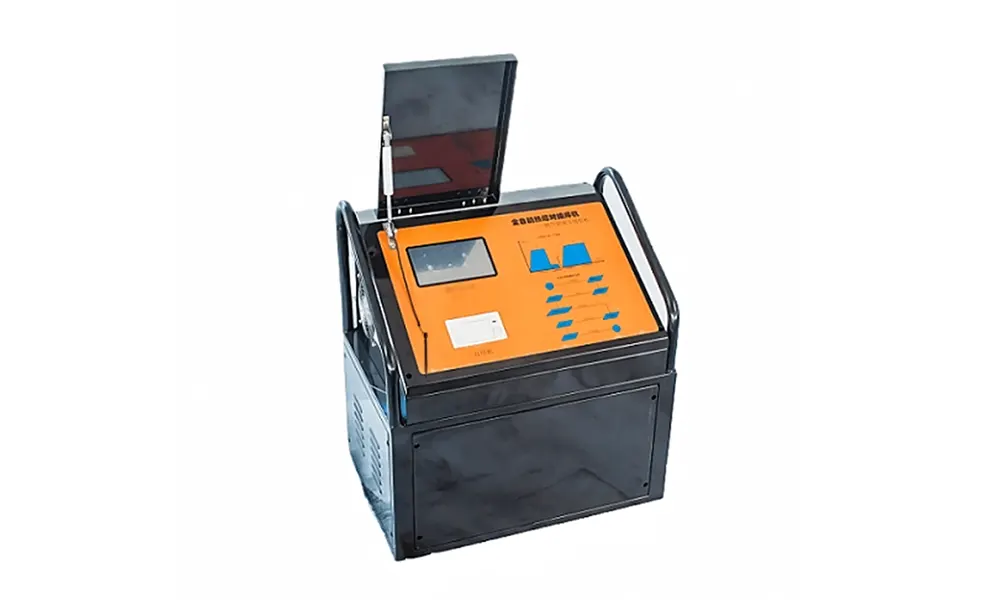
Automatic/CNC butt fusion machines — deliver precise control, programmable weld cycles, and consistent output for large-scale or repetitive installations.
Electrofusion units — optimized for fittings and repairs, with controlled current profiles and integrated safety features.
| Machine Type | Typical Pipe Range | Key Benefits |
|---|---|---|
| Manual Butt Fusion | 16mm – 160mm | Lightweight, low cost, portable |
| Hydraulic Butt Fusion | 63mm – 2250mm+ | High force, robust for large diameter |
| Automatic / CNC Machines | 90mm – 1600mm+ | Programmatic control, consistent cycles |
| Electrofusion Units | Fittings and repair sizes | Precision fusion for fittings, easy field use |
Applications and Industry Use
Durable welding machines are essential across municipal and industrial sectors. Common applications include:
Water supply networks — reliable HDPE welds maintain leak-free delivery and long service life.
Gas distribution — accurate fusion processes are critical for safety and regulatory compliance.
Mining and industrial piping — heavy-duty hydraulic and automatic systems support large diameters and harsh environments.
Quality Assurance & Customization
Leading manufacturers implement strict quality control, traceable materials, and calibration protocols to ensure each machine meets welding specifications. Look for suppliers that offer customization: special clamp frames, extended travel, CNC controls, or site-adapted power solutions. Customization shortens installation time and ensures machines match your project’s pipe schedule and environmental conditions.
Maintenance Tips & Best Practices
Regular maintenance extends machine life and preserves weld quality. Follow these best practices:
Keep plates clean: Remove contaminants from heating plates and trims before each weld.
Calibrate sensors: Verify temperature probes and timers periodically to maintain consistent weld cycles.
Inspect clamps and bearings: Replace worn parts to prevent misalignment and uneven pressure during fusion.
How to Evaluate Suppliers
When choosing a plastic pipe welder manufacturer, evaluate product reliability, spare parts availability, technical support, and training options. Request welding procedure documentation and sample weld data. A trustworthy supplier will provide clear operational manuals, access to replacement parts, and responsive after-sales service to minimize downtime on critical projects.
For dependable butt fusion and electrofusion machines backed by manufacturing expertise and global project experience, consider contacting JQ-Fusion through their website: https://jq-fusionwelding.com/.



