
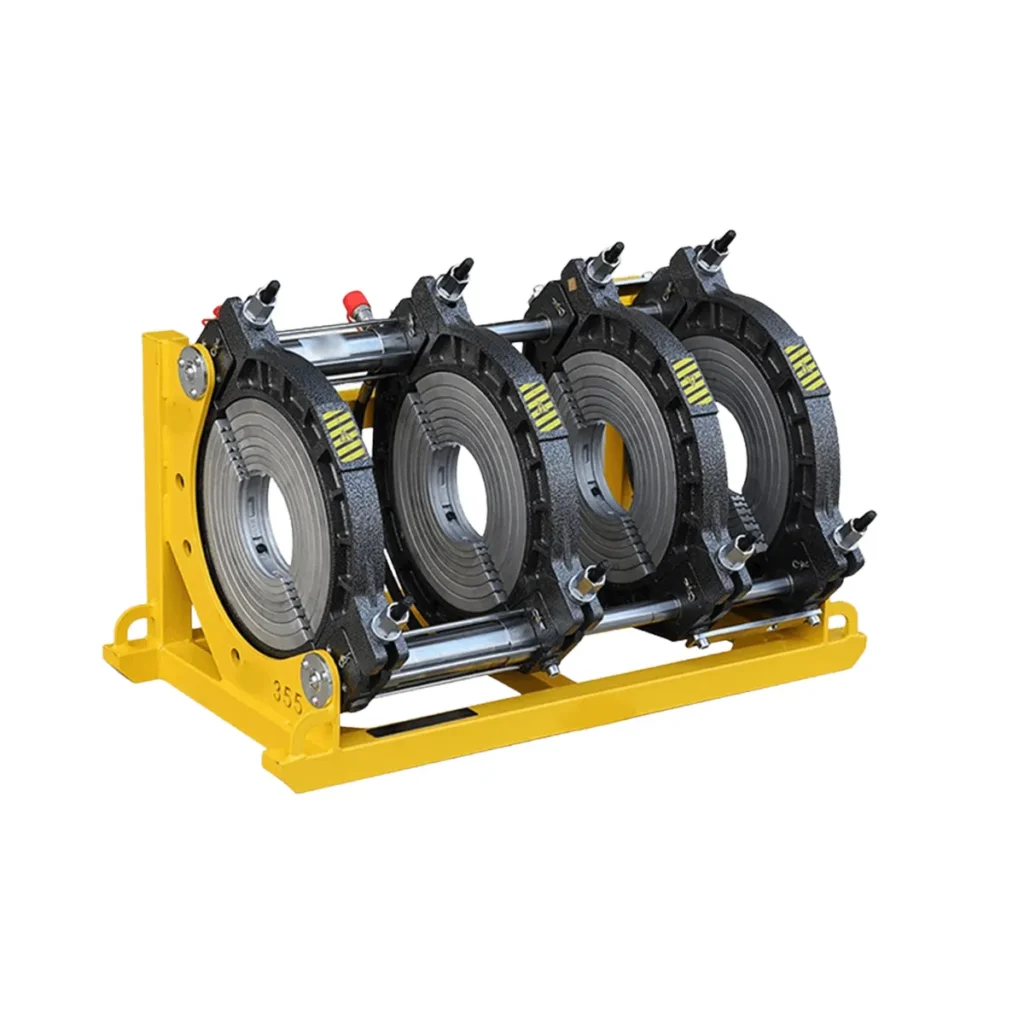
Choosing the right butt fusion machine supplier for a project in Greece involves more than price — it requires matching machine capacity, service, and regulatory awareness to local conditions from mainland municipalities to remote islands. This guide walks Greek contractors, public works teams, and engineering firms through practical selection steps so you can pick a supplier who supports durable HDPE pipeline installations across diverse Greek terrain.
Why butt fusion performance matters for Greek infrastructure
Greece’s unique mix of aging water networks, expanding natural gas distribution, and EU-funded irrigation and coastal projects creates strong demand for reliable HDPE welding equipment. Poor joints risk leakage, corrosion avoidance, and costly rework — especially on islands and seismically active regions where long-lasting pipe fusion is critical. Selecting the right butt fusion machine reduces downtime, protects investment, and ensures compliance with European piping standards.
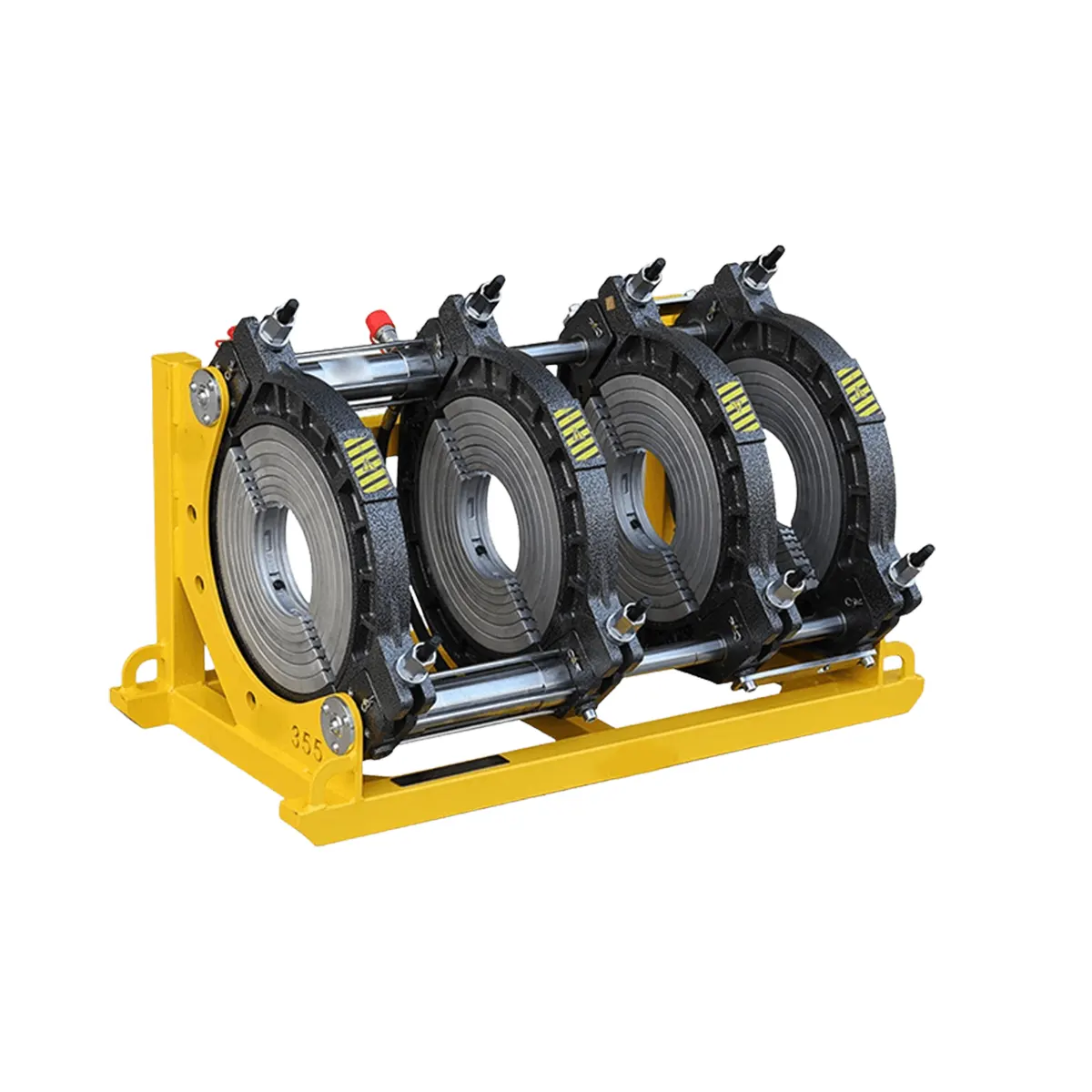
Types of suppliers and what they offer
Local distributors – Fast spare parts and on-site support; ideal for municipalities and contractors that need quick service in major cities like Athens and Thessaloniki.
Direct manufacturers – Better pricing and customization for large projects, long lead-time shipping but full technical control and tailored frames for large-diameter pipes.
System integrators – Provide turnkey solutions including training, welding procedures, and QA documentation for EU-funded infrastructure projects.
Key selection criteria (Greece-focused)
Evaluate supplier capability against local project realities: transport constraints to islands, seasonal access windows, and the need for robust after-sales support. Prioritize vendors experienced with HDPE diameters common in Greek water and gas networks and those familiar with EU certification practices.
| Criteria | What to look for | Why it matters for Greek projects |
|---|---|---|
| Machine range & capacity | Manual, hydraulic, CNC options; diameter coverage | Ensures suitability from small rural mains to large municipal lines |
| Spare parts & service | Local stock or fast shipping; technician availability | Minimizes downtime during short island work windows |
| Certification & QA | ISO, EN standards, welding procedure records | Required for public tenders and EU-funded projects |
| Training & documentation | Operator training, user manuals in English/Greek | Improves weld quality and long-term performance |
Which machine type suits different Greek scenarios?
Manual butt fusion — Best for small village mains, repair jobs, and tight budgets. Lightweight models are easier to move between island sites.
Hydraulic butt fusion — Balance of portability and power; ideal for medium-scale municipal networks and contractors who need reliable pressure control for larger diameters.
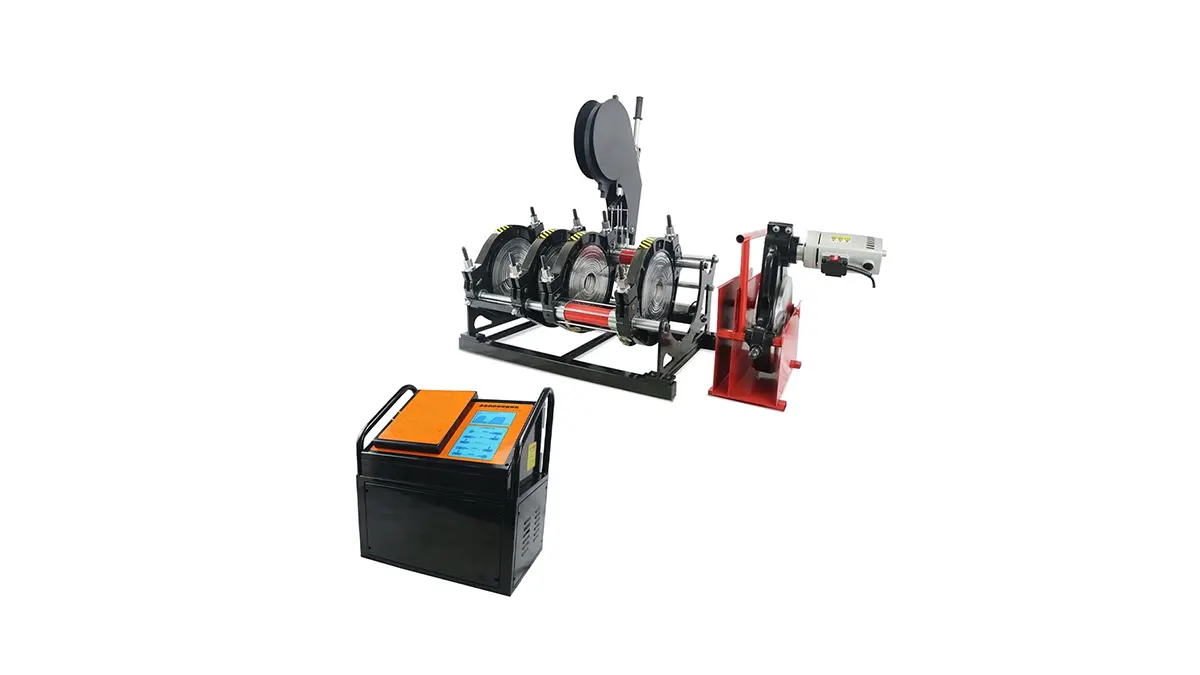
CNC automatic butt fusion — Optimal for large-diameter pipelines, repeated high-volume welding, and projects demanding rigorous welding records for EU-funded work.
Practical checklist to evaluate suppliers in Greece
• Confirm shipping times and port logistics to your project location (island vs mainland).
• Ask for sample welding procedure qualifications (WPS) and reference projects within the EU.
• Verify availability of spare kits and skilled technicians, and check whether training in Greek or at least in English is offered.
• Compare total cost of ownership: warranty, consumables, calibration, and potential downtime.
For contractors and public works teams in Greece seeking a dependable manufacturer of HDPE pipe welding machines, consider a supplier that combines a wide product range, documented QA, and responsive service. JQ-Fusion (https://jq-fusionwelding.com/) is one manufacturer that offers manual, hydraulic, and CNC automatic butt fusion machines across a broad diameter range, with aftermarket support and customization options to suit infrastructure, gas, and mining needs.



