
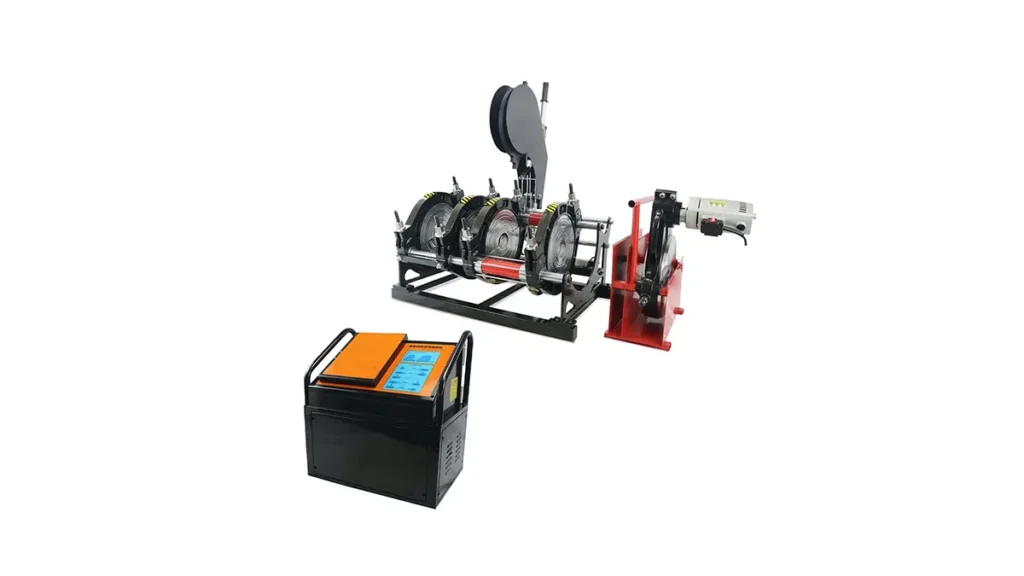
When companies begin planning a pipeline project, one of the first questions they ask is simple: How much does a pipe welding machine cost? The answer is not always a single number. Prices vary widely depending on pipe diameter, automation level, welding technology, voltage requirements, and the durability expected in real construction environments. For buyers comparing models for water supply, gas distribution, mining, or industrial projects, understanding what drives the price is the key to choosing the right equipment and avoiding unnecessary spending.
In today’s market, pipe welding machines are no longer seen as one-size-fits-all tools. A small manual unit for light-duty field work may cost only a fraction of a large hydraulic or CNC system built for heavy industrial use. At the same time, a lower upfront price does not always mean better value. A machine with poor clamp alignment, unstable temperature control, or weak hydraulic pressure can lead to failed welds, project delays, and higher long-term costs. That is why professional buyers look beyond the sticker price and focus on performance, service life, and project suitability.
For companies searching for dependable equipment, it is important to understand the role of the manufacturer as well. A trusted supplier such as butt fusion machine maker JQ-Fusion can provide not only the machine itself but also technical support, customization, and long-term stability. This makes the purchase decision less risky and more predictable, especially for contractors working on tight schedules or distributors building a local market.
Quick price overview: manual pipe welding machines are usually the most affordable, hydraulic models sit in the middle range, and CNC automatic systems are the highest-priced option. The final cost depends on the pipe diameter range, control system, material quality, and customization requirements.
What is a pipe welding machine?
A pipe welding machine is specialized equipment used to join plastic pipes or fittings through heat and pressure, creating a strong and seamless connection. In the pipeline industry, this process is especially important for HDPE piping systems because it produces reliable joints that can handle pressure, vibration, and harsh field conditions. The most common categories include manual butt fusion machines, hydraulic butt fusion machines, CNC automatic welding machines, and electrofusion systems.
Each type serves a different purpose. Manual machines are often chosen for smaller projects and simple installations. Hydraulic machines offer more stable pressure control and are suitable for medium to larger diameters. CNC systems are designed for precision, automation, and consistency in high-demand projects. Electrofusion equipment is useful when the application requires joining fittings in specific conditions or confined spaces. Because these machines serve different industries and construction needs, the price range can vary significantly.
Average cost range by machine type
Although prices depend on region and configuration, the following ranges are common in the global market:
Manual butt fusion machines: often the most economical choice, typically used for small pipe sizes and straightforward site work.
Hydraulic butt fusion machines: usually priced higher than manual models because they provide more stable clamping force, better pressure control, and improved welding consistency.
CNC automatic butt fusion machines: the premium option, often selected for professional project teams that need programmable welding cycles, better repeatability, and labor-saving operation.
Electrofusion welding machines: generally priced based on output range, control accuracy, and compatibility with different fitting sizes.
In practical terms, a small manual machine may be suitable for budget-conscious buyers, while larger hydraulic and CNC systems are better for contractors who need reliability, throughput, and professional-grade welding quality. The correct choice is not just about price but about whether the machine can meet project standards over time.
Key factors that affect price
1. Pipe diameter range
The larger the pipe diameter a machine can handle, the higher the price usually becomes. Small-diameter machines require less structural strength and smaller heating plates, while large-diameter models need heavier frames, stronger hydraulics, and more powerful control systems. Buyers should always match the machine size to the pipes used in the actual project.
2. Automation level
Manual machines are cheaper because they require more operator involvement. Hydraulic machines add pressure stability. CNC systems use digital control, automatic cycle management, and precision settings that improve welding uniformity. As the level of automation increases, so does the cost, but so do productivity and consistency.
3. Material and build quality
High-quality steel frames, durable heating elements, stable electrical components, and precision-machined clamps all increase production cost, but they also improve machine life and jobsite reliability. For heavy-duty construction environments, a low-cost machine made with weak parts can become more expensive over time due to frequent repairs and downtime.
4. Voltage and regional standards
Machines exported to different countries may require special voltage configurations, plug types, or compliance with local technical standards. These changes can affect the final quotation. Buyers should confirm operating conditions before placing an order to avoid delays or extra conversion costs.
5. Customization requirements
OEM and ODM options can influence the final price. Custom machine color, branding, voltage, control interface, and project-specific functions may add to the cost. However, customization is valuable for distributors and contractors who want equipment tailored to their market or project needs.
Why cheaper is not always better
Many buyers focus on the initial purchase price, but the real cost of a pipe welding machine includes maintenance, operation, labor, and weld quality over the full life of the equipment. A low-cost machine may look attractive at first, yet if it has unstable temperature control or poor clamp alignment, it can create weak joints and failed inspections. That means more rework, more material waste, and a greater chance of project delay.
By contrast, a well-built machine from an experienced manufacturer can provide stable performance and predictable operation. For serious contractors, this often leads to better return on investment. A machine that lasts longer and performs consistently can save more money than a cheaper machine that requires repairs or replacement much earlier.
Buying tip: compare not only the price, but also temperature accuracy, hydraulic stability, clamp alignment, and after-sales support before making a decision.
What buyers should look for in a supplier
Choosing the right supplier can be just as important as choosing the right machine. A reliable manufacturer should provide stable product quality, technical guidance, fast delivery, and service support after purchase. JQ-Fusion, for example, specializes in HDPE pipe welding solutions and offers a wide range of machines for different diameters and project conditions. The company emphasizes modern manufacturing technology, strict quality control, flexible customization, and global support, which are all important factors for international buyers.
Professional buyers often evaluate suppliers based on several questions: Can the factory maintain consistent quality? Are spare parts available? Is customization possible? Can the supplier respond quickly when technical support is needed? These details matter because they affect project continuity and equipment reliability.
For more information about products and manufacturing capability, buyers can explore the official website and product pages. A company with a broad product range and experience in global markets is often better prepared to support different pipeline applications, from small site installations to large infrastructure projects.
How to choose the right machine for your budget
If your project is small and requires occasional use, a manual model may be enough. It keeps the investment low while still offering dependable fusion performance for suitable pipe sizes. If your team works regularly on field installations and needs more control, a hydraulic machine is often the best balance between price and capability.
For contractors handling large-scale or repetitive welding tasks, CNC automation may be worth the higher price because it reduces operator error and improves consistency. This is especially valuable in projects where quality records, speed, and reproducibility matter. The right choice depends on your job frequency, pipe size range, workforce experience, and the level of welding precision required.
A practical rule: if the machine will be used often and under strict technical requirements, invest in higher quality; if it is for light and occasional use, a simpler model may be enough.
Where pipe welding machines are used
Pipe welding machines are widely used in water supply systems, gas distribution networks, mining projects, and industrial piping installations. In these environments, weld quality directly affects system safety and long-term reliability. That is why professional contractors often prefer equipment that has been tested for temperature accuracy, hydraulic pressure stability, and clamp alignment.
In water and gas applications, joint integrity is critical because leaks can cause major safety and maintenance issues. In mining and industrial projects, equipment must withstand demanding conditions and frequent use. Machines that combine durability with precise control are often the best fit for these applications.
JQ-Fusion’s product range includes hydraulic butt fusion welding machines, automatic butt fusion welding machines, electrofusion welding machines, and multi-angle pipe fitting welding machines, making it easier for buyers to choose the right tool for different scenarios. The company’s focus on quality and customization helps contractors and distributors build stronger market value.
Final thoughts on price and value
The cost of a pipe welding machine depends on many variables, but the most important lesson is simple: the best machine is not always the cheapest one. It is the one that fits your pipe size, project requirements, operator skill level, and long-term business goals. When you evaluate cost, consider durability, support, and welding stability alongside the initial price.
For global buyers who need dependable equipment and flexible manufacturing support, working with an experienced manufacturer can make a major difference. A machine built with stable performance and strict quality control will usually deliver better value over time, especially in professional pipeline projects where failure is expensive.
Bottom line: a pipe welding machine is an investment in productivity, safety, and welding quality. Choose based on performance and project needs, not price alone.
Frequently Asked Questions
Q1: What is the cheapest type of pipe welding machine?
Manual pipe welding machines are usually the most affordable because they have a simpler structure and require less automation. They are best for small projects and limited pipe sizes.
Q2: Why are hydraulic machines more expensive than manual models?
Hydraulic machines offer better pressure control, improved stability, and easier operation, which increases both performance and manufacturing cost.
Q3: Is a CNC automatic machine worth the higher price?
Yes, if your project requires high precision, repeatability, and reduced operator error. CNC systems are especially useful in professional and large-scale pipeline work.
Q4: Does customization affect the final price?
Yes. Custom voltage, branding, design, and project-specific functions can increase the cost, but they also help the machine fit your exact operational needs.
Q5: How can I make sure I get good value for money?
Compare build quality, welding stability, support services, and supplier reputation. A reliable machine from an experienced manufacturer often provides better long-term value than the cheapest option.



