
When people compare fusion welding and traditional welding, they often focus on one simple question: which method is stronger? The real answer is more practical than that. These two welding approaches are designed for different materials, different operating conditions, and different project goals. In industries such as water supply, gas distribution, mining, and industrial pipeline installation, choosing the right method can determine whether a system runs safely for decades or develops problems early.
Fusion welding is widely used for joining thermoplastic pipes, especially HDPE pipeline systems, while traditional welding is typically associated with metal joining methods such as arc welding, MIG welding, TIG welding, or stick welding. Although both processes create a permanent connection, they work in fundamentally different ways. Understanding the difference helps engineers, contractors, and buyers select the right equipment, improve installation quality, and reduce long-term maintenance costs.
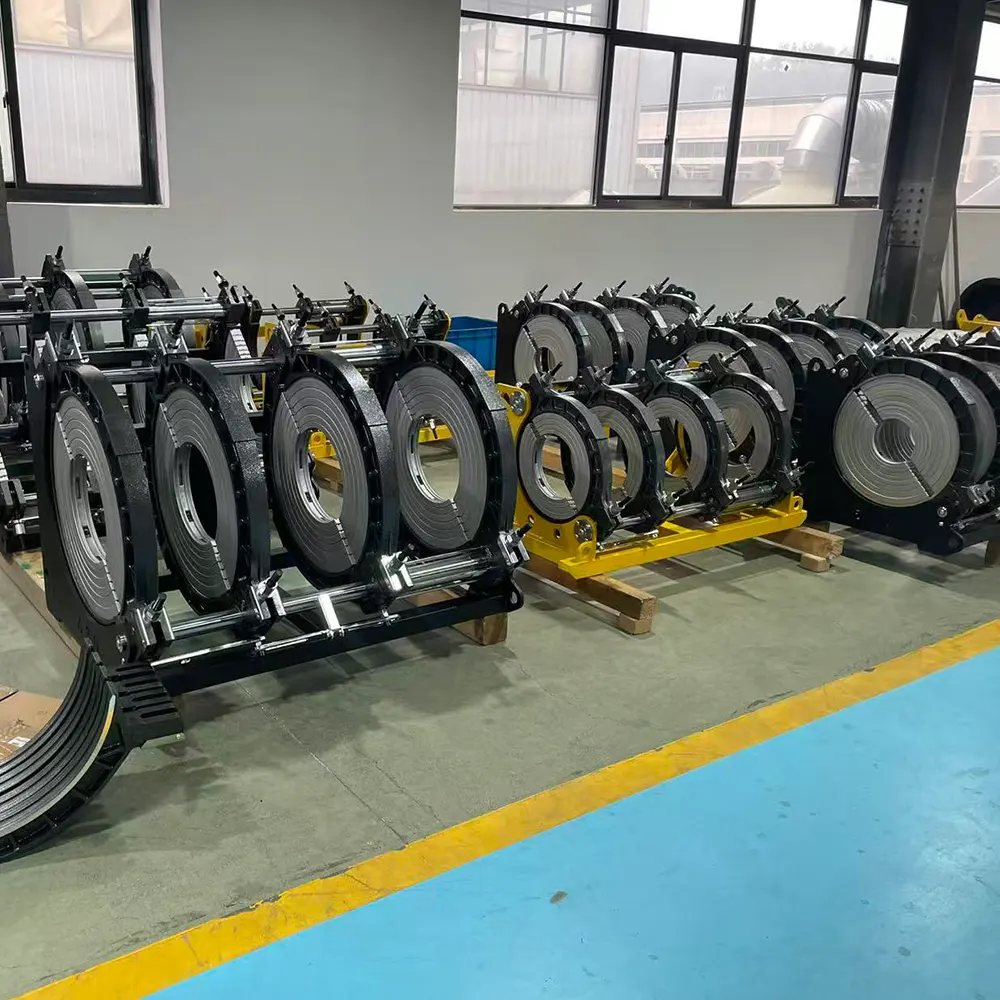
For global pipeline projects, this choice is especially important. A reliable welding method supports consistent pressure performance, stable joint strength, and efficient construction. That is why many contractors turn to specialized equipment such as a butt fusion machine when working with polyethylene pipe systems.
Key idea: Fusion welding joins materials by heating and melting the base material itself, while traditional welding often joins metals by melting a filler material, the base material, or both.
What Fusion Welding Means
Fusion welding is a joining process in which two compatible thermoplastic parts are heated until their surfaces soften, then pressed together under controlled force so they fuse into one continuous structure. In pipeline work, the most common type is butt fusion, where two pipe ends are aligned, heated with a plate, and then joined together after the heater is removed.
This process creates a homogeneous joint. In simple terms, the pipe and the welded area become one material after cooling. Because there is no separate filler metal, the joint can be highly reliable when the machine settings, temperature, and pressure are properly controlled. This is one reason why fusion welding is preferred in HDPE piping systems for demanding applications.
✔ Important: Fusion welding is not for all materials. It is mainly used for thermoplastics such as HDPE, PP, and related plastic pipe systems.
What Traditional Welding Means
Traditional welding usually refers to metal joining methods. These processes use heat, electricity, or both to melt metal components and create a strong bond. Common examples include arc welding, gas welding, TIG welding, MIG welding, and resistance welding. In many cases, a filler metal is added to reinforce the connection.
Traditional welding is widely used in construction, fabrication, automotive repair, shipbuilding, and steel structures. It is suitable for a broad range of metals, but the process can vary significantly depending on the material, thickness, position, and joint type. Skilled operators are often needed to achieve consistent results, especially in safety-critical applications.
The Core Difference Between the Two
The biggest difference is the material being joined. Fusion welding is used for plastics, while traditional welding is usually used for metals. That difference affects everything else: temperature control, equipment design, joint behavior, inspection methods, and long-term performance.
Fusion welding relies on controlled softening and molecular bonding. Traditional welding relies on metallurgical bonding through melting and solidification. In fusion welding, the joint becomes part of the same plastic body. In traditional welding, the welded seam is a metal joint that may contain a heat-affected zone, filler material, and changes in grain structure.
Simple comparison: fusion welding is about plastic-to-plastic integration; traditional welding is about metal-to-metal joining.
How the Welding Process Works
Fusion Welding Process
In butt fusion welding, the pipe ends are first cleaned and aligned in clamps. Then a heating plate raises the temperature of the pipe surfaces until they soften. After the required heating time, the plate is removed and the pipe ends are pressed together with a set force. The molten surfaces merge, and after cooling, the joint becomes a single continuous section.
This method requires accurate machine control. Temperature, pressure, alignment, and cooling time all matter. If one step is wrong, the weld quality may suffer. Because of this, many contractors prefer professional-grade equipment and trained operators.
Traditional Welding Process
Traditional welding varies by method, but the general idea is to create enough heat to melt the base metal or the filler material. The operator controls the arc, flame, or resistance energy to form the weld pool. Once the material cools and solidifies, the joint is complete.
In many metal welding tasks, skill and experience greatly affect quality. The welder must control arc length, travel speed, electrode angle, shielding gas, and heat input. Different metals may require different techniques, preheating, or post-weld treatment.
Advantages of Fusion Welding
Fusion welding offers several important benefits in pipeline applications. First, it creates a seamless and uniform joint that is highly suitable for pressure systems. Second, it avoids many corrosion issues associated with metal joints because HDPE and similar plastics do not rust. Third, the process can deliver excellent leak resistance when performed correctly.
Another advantage is long service life. Properly fused plastic pipe joints can last for many years under the right conditions. This makes the process attractive for water, gas, and industrial projects where reliability matters more than speed alone.
✔ Highlight: Fusion welding is especially valued for producing leak-tight joints in long-distance pipeline systems.
Advantages of Traditional Welding
Traditional welding remains essential in many industries because it can join a wide range of metals and structural parts. It is highly adaptable, which makes it suitable for fabrication shops, repair work, and construction sites. Welders can use different methods depending on the material, thickness, and project requirements.
It also offers strong mechanical performance when done correctly. For structural steel and metal equipment, traditional welding can provide the rigidity and load-bearing capacity needed for demanding applications. In many cases, it remains the default choice because of its broad material compatibility.
Where Fusion Welding Is Used
Fusion welding is common in HDPE pipe installation for water supply networks, gas distribution systems, mining slurry pipelines, and industrial fluid transport. These systems need joints that can withstand pressure, movement, and long-term environmental exposure. Fusion welding also plays an important role in municipal infrastructure and large-scale utility projects.
In these applications, equipment quality matters. A stable machine helps keep temperature and alignment consistent across repeated welds. Companies like JQ-Fusion support these needs with manual, hydraulic, and CNC automatic solutions designed for different pipe diameters and project scales.
Where Traditional Welding Is Used
Traditional welding is used in steel fabrication, building structures, pressure vessels, machinery repair, automotive manufacturing, and shipbuilding. It is often the best solution when metals must be joined permanently and the project involves load-bearing or high-temperature conditions.
However, it is not a direct replacement for fusion welding in plastic pipe systems. Attempting to use traditional metal welding methods on thermoplastics would damage the material rather than join it correctly. That is why material type determines the correct process.
Remember: the right welding method depends on whether the project uses plastic pipe or metal components.
Equipment Differences
Fusion welding requires specialized machines such as butt fusion systems, electrofusion tools, and pipe-fitting welding equipment. These machines focus on clamp alignment, heating plate temperature, hydraulic stability, and controlled pressure during the fusion cycle. In large projects, automatic systems can improve repeatability and reduce operator error.
Traditional welding tools are very different. They may include welding power sources, electrodes, torches, shielding gas systems, and protective accessories. The equipment must match the welding process and the base metal. Because of the variety of methods, the learning curve can be steep.
If you are sourcing pipeline equipment, it is worth reviewing suppliers with a strong production background, strict testing procedures, and global support. JQ-Fusion, for example, is known for manufacturing butt fusion solutions for international pipeline projects, with an emphasis on quality control, customization, and fast delivery.
Quality Control and Inspection
Quality control is critical in both processes, but the inspection methods differ. For fusion welding, technicians may check temperature accuracy, hydraulic pressure stability, clamping alignment, and weld bead formation. The goal is to ensure the fused joint meets project requirements and remains stable after cooling.
For traditional welding, inspection may include visual checks, bend tests, dye penetrant testing, ultrasonic testing, or radiographic inspection. Because metal welds can contain internal defects or heat-related changes, careful testing is often needed in critical projects.
✔ Practical note: reliable quality control is as important as the welding method itself.
Why the Wrong Method Creates Problems
Choosing the wrong welding method can lead to weak joints, wasted material, delays, and safety risks. If fusion welding is performed with incorrect heating or pressure, the pipe joint may fail under load. If traditional welding is used on the wrong metal or by an inexperienced operator, cracks, porosity, or distortion may appear.
In pipeline projects, failures are expensive because repairs may require shutdowns, excavation, and system downtime. That is why many contractors choose specialized suppliers and equipment providers with field experience and proven product performance.
How to Choose Between Fusion Welding and Traditional Welding
Start with the material. If the project involves HDPE or other thermoplastic pipe systems, fusion welding is usually the correct choice. If the project involves steel, aluminum, stainless steel, or other metals, traditional welding is generally the proper option.
Next, consider the application. Pressure pipelines, buried utilities, and corrosion-sensitive systems usually benefit from fusion welding. Structural fabrication, machinery, and repair work often require traditional welding. Finally, think about operator training, available equipment, inspection requirements, and project timeline.
For contractors who need dependable plastic pipe joining solutions, a trusted supplier can make a major difference in productivity and joint quality. The right machine, the right settings, and the right support all contribute to successful installation.
JQ-Fusion and Its Role in Pipeline Welding
JQ-Fusion focuses on HDPE pipe welding machines and related butt fusion solutions for global projects. Its product range includes manual, hydraulic, and CNC automatic butt fusion welding machines, as well as electrofusion and multi-angle pipe fitting welding equipment. These machines are designed for diverse project requirements, from small-diameter jobs to large industrial pipe networks.
The company’s strengths include advanced manufacturing technology, strict quality control, flexible OEM and ODM customization, reliable global support, and strong engineering capability. For project owners and distributors, this combination helps ensure stable welding performance and efficient delivery.
In practice, that means better support for water supply systems, gas distribution projects, mining operations, and industrial pipeline installations. It also means more predictable results when timelines are tight and the welding environment is demanding.
Conclusion
Fusion welding and traditional welding are both essential joining technologies, but they solve different problems. Fusion welding is the right choice for thermoplastic pipe systems because it creates strong, leak-resistant, and long-lasting joints. Traditional welding remains indispensable for metal fabrication, construction, and repair work. The best method depends on the material, the application, and the performance requirements of the project.
For pipeline projects, choosing the correct fusion equipment is more than a technical decision. It is a business decision that affects installation quality, schedule, and lifetime cost. With the right process and the right supplier, contractors can achieve stable results and better project outcomes.
Frequently Asked Questions
Q1: Is fusion welding stronger than traditional welding?
No, they are not directly comparable because they join different materials. Fusion welding is ideal for plastic pipes, while traditional welding is used for metals. Strength depends on the right method for the right material.
Q2: Can traditional welding be used on HDPE pipe?
No. HDPE and similar thermoplastics require fusion-based joining methods such as butt fusion or electrofusion. Traditional metal welding would damage the pipe.
Q3: Why is butt fusion popular in pipeline projects?
Because it creates a continuous, leak-tight joint that performs well in water, gas, and industrial pipeline systems when done correctly.
Q4: What should buyers look for in a fusion welding machine?
Look for temperature accuracy, hydraulic stability, alignment precision, durable construction, and technical support. These factors affect weld quality and long-term reliability.
Q5: When should I choose a butt fusion machine over other welding equipment?
Choose it when your project uses HDPE or similar plastic pipes and requires reliable, pressure-resistant joints for long-term pipeline performance.



