
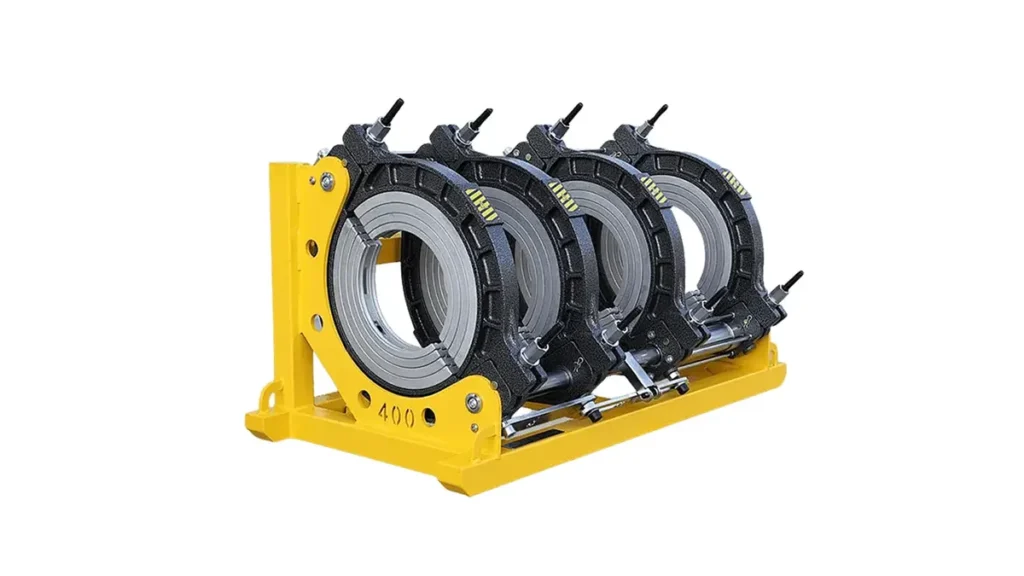
Electrofusion welding is one of the most dependable methods for joining polyethylene pipelines, especially in water supply, gas distribution, mining, and industrial piping systems. When performed correctly, it creates a strong, leak-free joint that can perform for years under demanding conditions. However, the process is not forgiving. Small mistakes in preparation, fitting selection, machine settings, or environmental control can cause weak welds, costly rework, and even pipeline failure. Understanding the most common electrofusion welding errors is the first step toward avoiding them and improving long-term project reliability.
In practice, many welding problems are not caused by the machine itself, but by human error and poor process control. That is why experienced contractors place as much emphasis on training, inspection, and documentation as they do on equipment quality. If your team works with a butt fusion machine on related pipeline projects, the same discipline in handling preparation and installation will also improve electrofusion results. Whether you are managing a small utility repair or a large infrastructure project, avoiding these mistakes will save time, materials, and reputation.
Why Electrofusion Quality Matters
Electrofusion joints are widely used because they are compact, reliable, and suitable for locations where conventional fusion tools may be difficult to operate. The process uses an electrofusion fitting with embedded heating coils. When electrical current passes through the coils, the fitting and pipe surfaces melt and bond together under controlled conditions. If every stage is done properly, the result is a seamless molecular connection. If not, the weld may look acceptable from the outside while hiding serious internal weaknesses.
Key point: the strength of an electrofusion weld depends less on speed and more on precision, cleanliness, alignment, and compliance with the fitting manufacturer’s instructions.
1. Poor Surface Preparation
One of the most common electrofusion welding errors is inadequate pipe preparation. The pipe surface must be scraped correctly to remove oxidation, contaminants, and any damaged outer layer. If this step is rushed or performed unevenly, the melted plastic will bond to a contaminated surface instead of clean material. That weakens the weld and increases the chance of failure under pressure.
Common surface preparation mistakes include:
• Using dull or worn scraping tools
• Removing too little or too much material
• Touching the cleaned area with bare hands
• Allowing dust, moisture, or grease to settle before assembly
To avoid this, use the correct pipe scraper and follow a consistent preparation length. After scraping, keep the pipe surface clean and avoid any contact that could reintroduce contamination. A simple rule is this: once the surface is prepared, treat it as ready for welding only, not for handling.
2. Incorrect Pipe Alignment
Alignment is another critical factor. If the pipes or fitting are not positioned correctly, internal stress can be introduced into the joint. Even if the electrofusion cycle completes successfully, misalignment can reduce the weld’s ability to handle pressure, ground movement, and long-term service loads.
Misalignment often happens because the pipe ends are not cut square, clamps are loose, or the installer forces the fitting into place. In some cases, workers assume that slight movement is acceptable, but electrofusion demands stability throughout the entire welding and cooling process.
Avoid this error by: checking pipe cuts for squareness, using proper clamping tools, and confirming that the assembly remains still until full cooling is complete.
3. Wrong Fitting Selection
Not all fittings are interchangeable. Using the wrong electrofusion fitting is a major mistake that can create poor fusion, dimensional mismatch, or uneven heating. The fitting must match the pipe material, pipe size, pressure rating, and application requirements. A fitting that is too loose or too tight can compromise the weld geometry and lead to defects.
Before welding, verify the fitting specification carefully. Check the compatibility between the pipe and fitting manufacturer’s recommendations, and do not rely on visual similarity alone. In project environments where multiple diameters and pressure classes are present, labeling and material tracking become especially important.
If you are sourcing equipment for broader pipeline work, it is also worth understanding the difference between fusion methods and making sure your team has the right tools for the job. A professional supplier with experience in pipeline machinery can help reduce matching errors and improve workflow consistency.
4. Ignoring Environmental Conditions
Temperature, humidity, rain, wind, and dust all affect weld quality. Electrofusion is sensitive to surrounding conditions because the process depends on clean contact surfaces and controlled heating. Moisture is especially dangerous. If water remains on the pipe or fitting, it can interfere with fusion and create voids or weak zones.
Cold weather can also affect the pipe’s behavior and the fitting’s heating response, while excessive heat may shorten working time and increase the risk of contamination. Outdoor projects often face changing weather, which means installers need to adapt rather than assume the same procedure works in all conditions.
Practical tip: use protective tents, drying methods, and wind shields when needed. Always confirm that the pipe and fitting are within the temperature range specified by the manufacturer.
5. Incorrect Welding Parameters
Every electrofusion fitting comes with a specified welding cycle, voltage, and cooling time. If these parameters are entered incorrectly or ignored, the fusion process may not produce the correct melt depth or bonding strength. Too little energy may leave an incomplete joint, while too much energy may deform the fitting or damage the pipe.
This error often occurs when operators rely on memory instead of reading the barcode, manual, or fitting instructions. On complex projects, even a small input mistake can affect multiple joints before anyone notices. For this reason, a disciplined verification routine is essential.
Use a calibrated control unit, confirm the input data before starting the weld, and cross-check that the machine is operating correctly. Training operators to follow a repeatable workflow is one of the most effective ways to reduce this risk.
6. Moving the Joint Too Early
Cooling time is often underestimated. Once the welding cycle ends, the joint still needs time to cool and stabilize. If the assembly is moved, twisted, or loaded too soon, the fusion bond can be disrupted before it fully solidifies. This may not be visible immediately, but the defect can emerge later during pressure testing or operation.
In many field failures, premature handling is the hidden cause. Workers may be under schedule pressure and assume the joint is strong enough after the machine stops. In reality, the cooling period is part of the welding process, not an optional waiting time.
Best practice: keep the joint fully supported and untouched for the entire cooling period recommended by the fitting manufacturer.
7. Using Dirty or Damaged Equipment
Even with correct preparation and fitting selection, poor equipment condition can still ruin a weld. Dirty terminals, damaged cables, worn clamps, and inaccurate control units all reduce reliability. If the machine cannot deliver stable current or the fitting connection is poor, the weld cycle may be inconsistent.
Regular inspection is essential. Check the machine before each work session, clean contact areas, and verify that the electrical system is functioning properly. For larger projects, preventive maintenance schedules should be part of the site quality plan. Good equipment management does not only extend machine life; it directly improves weld consistency.
If your team regularly handles pipeline installations, partnering with a supplier that provides technical support, training, and stable equipment supply can reduce downtime and support better welding outcomes. Reliable machinery and proper service help contractors maintain project standards across multiple job sites.
8. Lack of Operator Training
Many electrofusion failures are not caused by complex technical defects but by insufficient training. Operators who do not understand the process are more likely to skip steps, misread instructions, or overlook warning signs. A well-trained team knows how to prepare the pipe, identify fitment issues, verify parameters, and respect cooling time.
Training should include both theory and field practice. Workers need to know why each step matters, not just how to complete it. This improves compliance and reduces unsafe shortcuts. Refresher training is also useful because project conditions, materials, and equipment may change over time.
Important: even experienced workers should review the manufacturer’s instructions before welding a new fitting type or working in unusual environmental conditions.
How to Build a More Reliable Electrofusion Workflow
The best way to avoid common electrofusion errors is to make quality control part of the workflow, not an afterthought. A simple but consistent process can dramatically improve results. Start with material verification, then inspect the pipe, prepare the surface, align components, confirm the fitting code, and monitor the environment. After welding, protect the joint during cooling and document the completed work.
In larger pipeline projects, a checklist is extremely valuable. It helps teams maintain the same standards from one joint to the next and makes it easier to identify where mistakes are happening. Some contractors also assign a second person to verify key steps before the welding cycle begins. That extra layer of control can prevent expensive rework.
A strong workflow is built on four habits: verify, clean, align, and document.
Why Quality Equipment and Support Make a Difference
Reliable welding results depend on more than the installer’s skill. The quality of the machine, the stability of the control system, and the consistency of the tools all influence joint performance. Manufacturers with strong engineering capability, strict quality control, and full technical support can help contractors reduce project risk and maintain consistent standards.
For pipeline professionals working across water, gas, and industrial applications, it is valuable to work with suppliers who understand the demands of global projects and provide equipment that supports both daily production and long-term durability. This matters not only for electrofusion, but for the broader fusion ecosystem, including solutions related to a butt fusion machine range and other pipe welding systems.
When manufacturers offer customization, inventory support, training, and after-sales service, contractors are better equipped to complete jobs safely and on schedule. In a competitive market, that level of support can be just as important as the machine itself.
Conclusion
Electrofusion welding can deliver excellent long-term performance, but only when every step is handled with care. The most common errors include poor surface preparation, misalignment, wrong fitting selection, environmental neglect, incorrect parameters, early movement, dirty equipment, and weak operator training. Each of these issues is preventable with clear procedures, proper tools, and disciplined quality control.
For project teams, the goal should not simply be to complete a weld, but to complete a reliable weld that performs under real operating conditions. By investing in training, maintaining equipment, and enforcing a consistent workflow, contractors can reduce failures and build stronger pipeline systems with confidence.
Frequently Asked Questions
Q1: What is the most common cause of electrofusion failure?
Poor surface preparation is one of the most common causes because contamination prevents proper bonding between the pipe and fitting.
Q2: Can I reuse an electrofusion fitting after a failed weld?
No. Once a fitting has been energized, it should not be reused. A new fitting is required for a safe and compliant joint.
Q3: How important is cooling time?
Very important. Moving the joint too early can weaken the bond and create a hidden defect that appears later during testing or operation.
Q4: Do environmental conditions affect weld quality?
Yes. Moisture, dust, wind, and extreme temperatures can all reduce weld reliability if the job site is not properly controlled.
Q5: How can contractors improve electrofusion consistency?
Use trained operators, inspect equipment regularly, follow manufacturer instructions closely, and apply a documented quality checklist for every joint.



