When a municipality plans a new water supply line, drainage upgrade, or gas distribution network, one question quickly becomes critical: what is the best HDPE pipe welding method for municipal projects? The answer matters because the welding method directly affects pipe integrity, leak resistance, installation speed, long-term maintenance costs, and overall project reliability. In public infrastructure, where service interruptions can impact thousands of residents, choosing the right welding technique is not just a technical decision; it is a practical investment in safety and performance.
HDPE pipe systems are widely used in municipal applications because they are corrosion-resistant, flexible, lightweight, and built to perform well under demanding conditions. However, HDPE pipelines only deliver their full value when joints are fused correctly. Poor welding can lead to weak seams, alignment errors, pressure loss, and expensive rework. That is why project owners, contractors, and engineers often compare several joining methods before starting work.
For most municipal pipeline projects, butt fusion welding is considered the most reliable and widely adopted method. It creates a permanent, homogeneous joint by heating the pipe ends and pressing them together under controlled pressure. When performed with the right equipment and procedures, the result is a joint that is as strong as, or even stronger than, the pipe itself. This makes it especially suitable for water mains, sewage networks, stormwater lines, and gas pipelines where long service life and leak prevention are essential.
Key Point: For municipal infrastructure, butt fusion is usually the best HDPE pipe welding method because it offers strong joints, excellent sealing performance, and proven durability in underground pipeline systems.
Before explaining why butt fusion stands out, it is useful to understand the main welding options available for HDPE pipes. The most common methods include butt fusion, electrofusion, socket fusion, and mechanical coupling. Each method has its own ideal application range, but municipal projects often require a balance of joint strength, cost efficiency, and installation productivity. In large-scale pipeline construction, butt fusion usually provides the most practical overall advantage.
Why Butt Fusion Is the Preferred Choice
Butt fusion works by heating the ends of two aligned HDPE pipes until they reach a molten state, then joining them under pressure to form a continuous molecular bond. Because the weld becomes part of the pipe wall, there is no gasket, adhesive, or mechanical connector that can fail over time. This is one of the biggest reasons it is trusted in municipal systems that must operate reliably for decades.
The method is especially effective for straight pipeline runs with medium and large diameters. It is commonly used in pressurized water distribution lines, wastewater transmission, industrial utility corridors, and municipal gas networks. When combined with proper training and a high-quality machine, butt fusion produces consistent and repeatable results even in challenging field conditions.
Another major advantage is cost efficiency over the full project lifecycle. Although the initial equipment investment may be higher than some alternatives, the reduced risk of leakage, low maintenance demand, and long service life usually lower total ownership cost. For public works departments and contractors managing long-term assets, this is a significant benefit.
Best for: Water mains, sewer pipelines, drainage systems, gas distribution lines, and large municipal networks requiring durable and leak-free joints.
How Butt Fusion Compares with Other HDPE Joining Methods
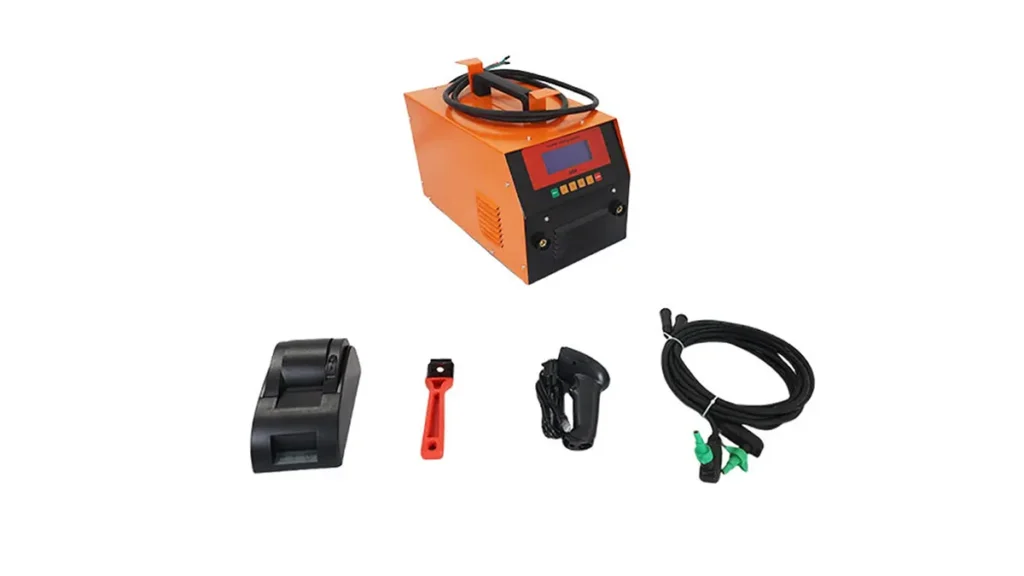
Electrofusion uses a fitting with embedded heating coils to join pipe sections. It is extremely useful in confined spaces, repair work, and locations where pipe movement is limited. Municipal teams often choose electrofusion for tie-ins, service connections, and complex layout points. However, for long straight runs or high-volume installation, it is usually slower and more expensive per joint than butt fusion.
Socket fusion is commonly used for smaller-diameter pipes. It can be effective in low-diameter utility lines, but it is not the first choice for most large municipal pipelines. Its range is limited, and the process can become less efficient as pipe size increases.
Mechanical couplings provide fast connection without thermal fusion, but they do not create a fully homogenous joint. While useful in some repair scenarios, they are generally not preferred for long-term buried municipal systems where maximum joint integrity is required.
In short, if the project involves large volumes, long distances, and demanding service conditions, butt fusion usually delivers the best combination of performance and value. If the work is highly localized or requires joining in a restricted area, electrofusion may be the better support method.
What Makes a Butt Fusion Weld Reliable
A strong weld depends on more than the machine itself. Several factors must work together to achieve reliable results. First, the pipe ends must be clean, square, and properly aligned. Any contamination, uneven cutting, or misalignment can weaken the fusion zone. Second, the heating plate must reach and maintain the correct temperature. Too little heat creates incomplete fusion, while too much heat can damage the pipe surface.
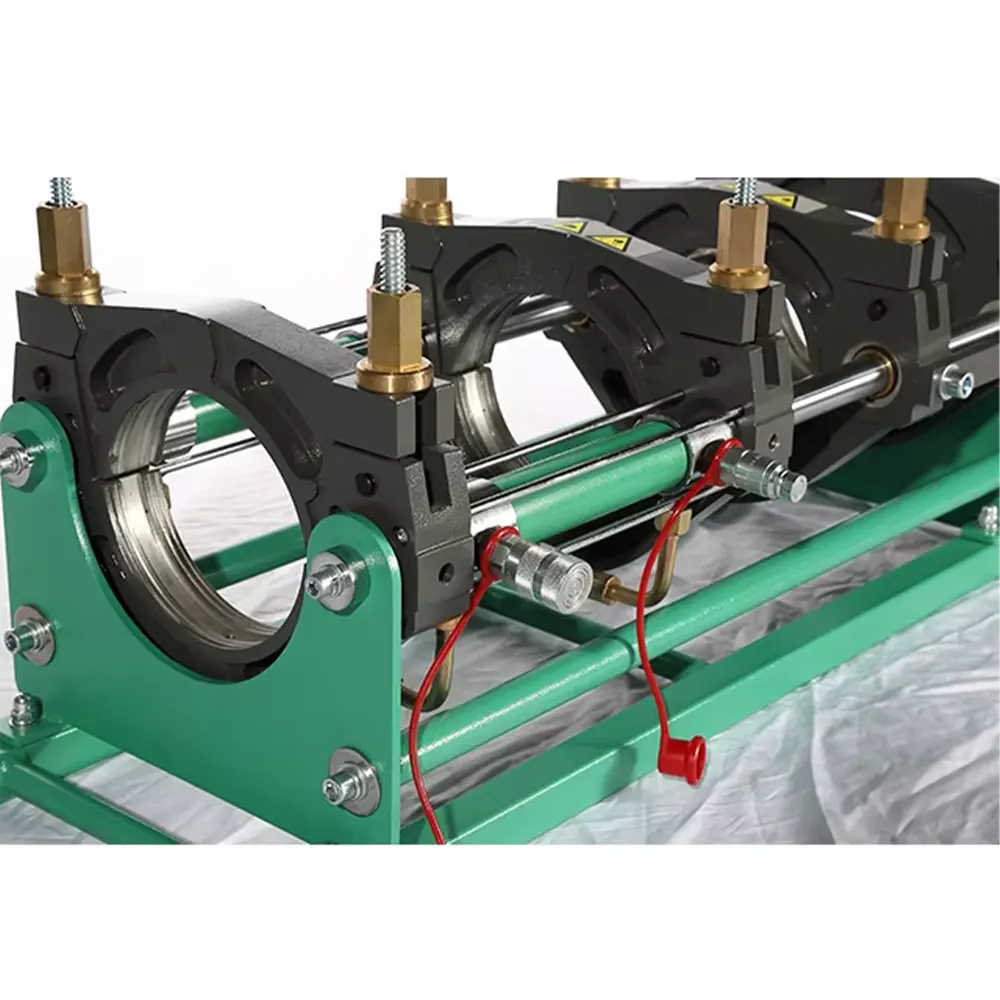
Third, pressure must be controlled accurately during the heating, changeover, and cooling stages. Stable hydraulic pressure helps ensure that the molten pipe ends bond properly without excessive flash or distortion. Finally, operators must allow sufficient cooling time before moving or testing the joint. Rushing this stage can compromise strength even if the rest of the process was done correctly.
Important: A high-quality weld is the result of correct preparation, stable temperature, accurate pressure control, and proper cooling.
Municipal projects often require consistent performance across many joints and multiple crews. That is why project managers prefer equipment that can reduce operator error and support repeatable output. Automatic or CNC-controlled machines can be especially valuable on large jobs because they standardize the process and improve traceability.
Choosing the Right Welding Machine for Municipal Work
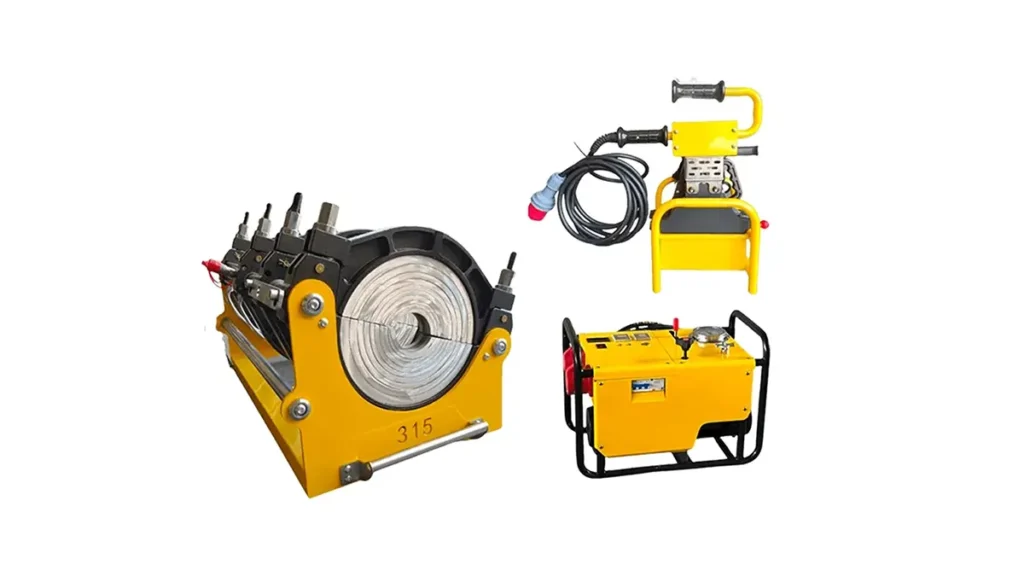
The welding method is only part of the equation. The machine used to execute that method plays an equally important role. For municipal projects, the best machine should offer stable heating, accurate alignment, strong hydraulic control, and enough versatility to handle the required pipe diameters. In many cases, a professional-grade butt fusion machine is the most practical choice for contractors and pipeline operators who need dependable field performance.
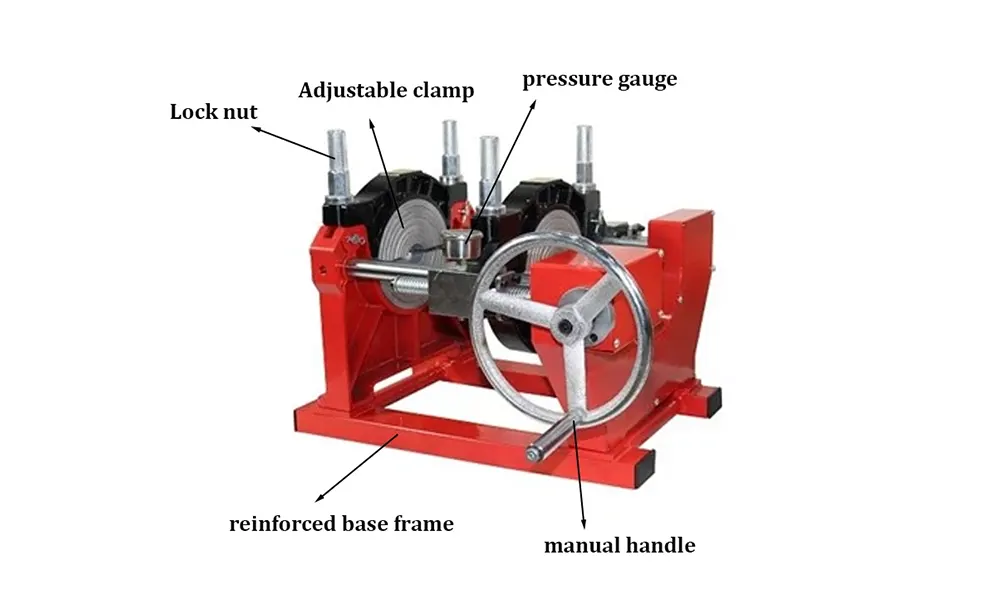
Manual machines can be suitable for smaller jobs, but they require more operator skill and may be less efficient on larger projects. Hydraulic butt fusion machines are widely favored because they improve pressure stability and reduce physical effort during fusion. For complex or high-volume municipal work, automatic and CNC models can improve accuracy and productivity even further.
When evaluating equipment, teams should look for the following features:
• Clamp alignment accuracy to keep pipe ends perfectly matched
• Temperature stability for reliable heating performance
• Hydraulic pressure consistency for controlled fusion
• Wide pipe diameter capability to support different project phases
• Durable construction for harsh field environments
These features are especially important for municipal contractors who must deliver quality under deadlines. A machine that is easy to calibrate, simple to transport, and reliable across weather conditions can improve both productivity and weld quality.
Municipal Applications Where Butt Fusion Excels
Butt fusion is used in a broad range of public infrastructure projects. In water supply systems, it helps ensure clean, pressurized delivery with minimal leakage risk. In gas distribution networks, joint integrity is especially important because any defect can create serious safety concerns. In drainage and sewage systems, fused HDPE joints help resist chemical attack, ground movement, and long-term environmental stress.
It is also widely used in industrial and mining pipelines connected to municipal utility infrastructure. These environments often involve heavy loads, vibration, or abrasive materials, making durable joints essential. The flexibility of HDPE, combined with the strength of a properly executed butt fusion weld, provides a dependable solution for these demanding applications.
Municipal engineers also appreciate the fact that fused joints reduce the number of potential failure points in the network. Over time, this can mean fewer emergency repairs, less traffic disruption, and lower operating costs for the city or utility provider.
Why cities prefer it: Fewer joints, stronger seals, and long-term resistance to corrosion and ground movement.
The Role of Quality Control and Standards
In municipal work, quality control is not optional. Every welded joint must be able to withstand pressure, environmental stress, and operational demands over many years. This is why reputable equipment manufacturers test machine performance carefully before delivery. Important checks include temperature accuracy, hydraulic stability, and clamp alignment.
International certifications and compliance with recognized standards also matter. They provide confidence that the machine and welding process meet the expectations of global pipeline projects. For public-sector buyers, documented reliability is often just as important as the equipment specification itself.
Operators should also follow approved welding procedures and maintain records for traceability. This helps project teams identify the source of any issue, verify workmanship, and support future maintenance planning. In larger municipal contracts, documentation can be a key part of quality assurance and project acceptance.
Why JQ-Fusion Supports Municipal HDPE Welding Needs
For contractors and distributors searching for dependable HDPE welding solutions, JQ-Fusion provides a strong industrial background and a wide equipment range. With more than 20 years of experience, the company focuses on manual, hydraulic, and CNC automatic butt fusion welding machines designed for different pipe diameters and project requirements. This makes it easier for municipal teams to match the right equipment to the application.
JQ-Fusion’s manufacturing approach emphasizes advanced production technology, strict quality control, and flexible OEM and ODM customization. For municipal projects that need specific voltages, branding, machine colors, or configuration adjustments, this flexibility can be extremely valuable. Reliable support and efficient logistics also help reduce delays, which is especially important for infrastructure jobs working under public deadlines.
The company’s product range includes hydraulic butt fusion welding machines, automatic butt fusion welding machines, electrofusion welding machines, and multi-angle pipe fitting welding machines. This broad offering allows contractors to handle both standard pipeline installation and specialized connection work using a coordinated equipment strategy.
Practical Recommendation for Municipal Projects
If your project involves long-distance HDPE pipeline installation, especially in water, gas, or sewage systems, butt fusion is generally the best welding method. It gives you strong joints, excellent pressure resistance, and a proven record in underground infrastructure. If the project includes difficult connection points, tight spaces, or repair work, electrofusion can be used as a complementary method.
The best results come from combining the right method with the right equipment and trained operators. A stable, well-designed machine can significantly improve weld consistency and reduce the risk of costly failures. That is why many contractors choose professional butt fusion systems for their core municipal pipeline work.
For organizations building public infrastructure, the goal is not only to join pipes, but to create a network that performs safely and efficiently for years. In that context, butt fusion remains the most balanced and dependable solution for HDPE pipe welding in municipal projects.
Frequently Asked Questions
Q1: Is butt fusion always the best method for HDPE pipes?
Not always, but for most municipal pipelines it is the most reliable and cost-effective choice, especially for long straight runs and medium to large diameters.
Q2: When should electrofusion be used instead?
Electrofusion is often better for confined spaces, repair work, tie-ins, and situations where pipe movement must be minimized.
Q3: What is the main advantage of a hydraulic butt fusion machine?
It provides stable pressure control, which improves weld consistency and helps reduce operator error during the fusion process.
Q4: Can municipal teams use automatic or CNC butt fusion machines?
Yes. These machines are very useful for large projects because they improve accuracy, standardize welding procedures, and support quality traceability.
Q5: Why is HDPE welding so important in municipal infrastructure?
Because municipal pipelines must remain safe, leak-free, and durable for many years, and the welding method determines the long-term performance of the entire system.