
PE (polyethylene) pipe welding machines are critical assets on infrastructure projects — from municipal water supply and gas distribution to mining and industrial pipelines. Understanding how long a PE pipe welding machine lasts, what influences its durability, and how to maintain it can save time and reduce lifecycle costs. This guide breaks down realistic lifespan estimates, common failure points, and practical maintenance tips to keep your welding equipment performing reliably.
Typical Lifespan by Machine Type
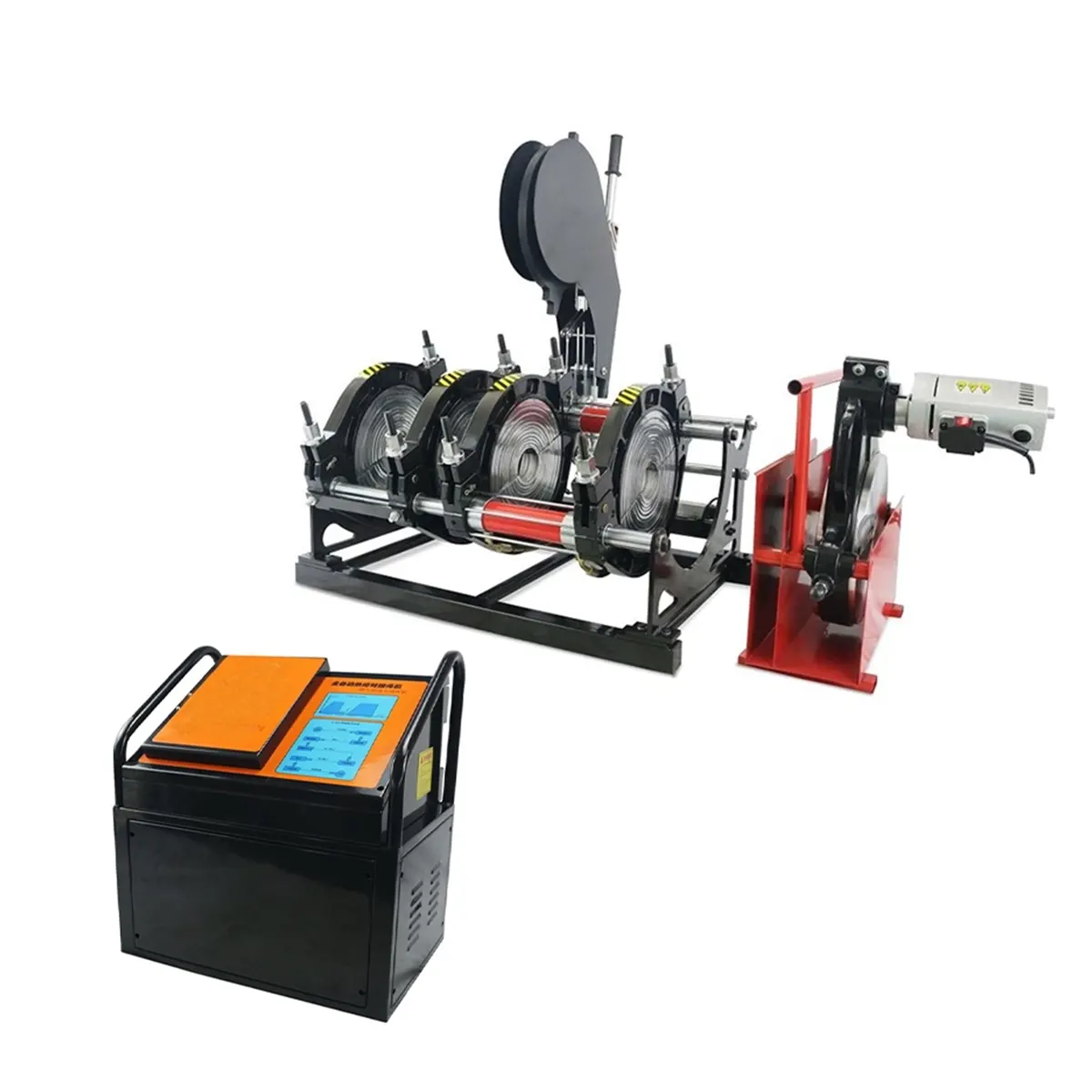
The expected service life of a PE pipe welding machine varies by type, usage intensity, and maintenance. Below is a practical reference table showing typical lifespan ranges you can expect under normal working conditions.
| Machine Type | Typical Lifespan | Usage Profile | Notes |
|---|---|---|---|
| Manual Butt Fusion | 8–20 years | Light to moderate | Simple design; fewer electronics → longer mechanical life. |
| Hydraulic Butt Fusion | 7–18 years | Moderate to heavy | Hydraulic components need regular checks for longevity. |
| Automatic / CNC Butt Fusion | 6–15 years | Heavy / Continuous | Electronics and control systems determine lifespan; software updates help. |
| Electrofusion Units | 5–12 years | Variable | Sensitive to moisture and electrical faults; storage matters. |
Key Factors That Influence Durability
Build quality: Machines built with robust frames, quality heating plates, and reputable hydraulic components last longer. Premium parts reduce failure frequency.
Operating environment: Corrosive atmospheres, high dust, and frequent temperature extremes accelerate wear on seals, electronics, and mechanical linkages.
Usage intensity: A machine used daily on large-diameter pipes will wear faster than one used occasionally for small-diameter work.
Operator skill: Correct setup, alignment, and adherence to welding parameters reduce rework and component stress.
Common Wear Parts & Replacement Intervals
Understanding which components wear fastest helps plan maintenance and spare-part inventories.
| Component | Typical Replacement Interval | Why |
|---|---|---|
| Heating Plate Surface | 2–7 years | Surface wear reduces even heating. |
| Hydraulic Seals & Hoses | 1–5 years | Exposure to pressure cycles and contaminants. |
| Electronic Controls / Sensors | 3–10 years | Moisture, vibration, and power quality affect lifespan. |
Practical Maintenance Tips to Extend Life
-
Daily checks — Clean heating plates, inspect clamps and alignment, verify hydraulic oil levels, and check for visible leaks.
-
Scheduled servicing — Replace hydraulic seals and filters on a planned schedule; test electronics and sensors annually or per hours of operation.
-
Proper storage — Store machines indoors or under cover; protect control panels and electrofusion units from moisture.
-
Operator training — Skilled operators prevent misuse that causes premature wear; document procedures and maintain welding logs to track issues.
-
Spare parts strategy — Keep consumables and common wear parts on hand to minimize downtime.
Simple Maintenance Checklist (Monthly)
1. Inspect hydraulic hoses and fittings for cracks.
2. Check heater plate flatness and clean residues.
3. Verify all fasteners and mounting bolts are tight.
4. Run a control system diagnostic and update firmware if available.
5. Lubricate mechanical slideways and pivot points.
Cost of Ownership: What to Budget For
When assessing the total cost of ownership, consider initial purchase, consumables, spare parts, routine maintenance, and expected downtime. Higher upfront cost for a robust model can reduce long-term replacement and repair costs. For contractors who weld daily and on large-diameter pipes, investing in a well-supported automatic or hydraulic model often pays back through productivity and lower failure rates.
Choosing the Right Machine for Long Life
Select equipment based on anticipated workload, site conditions, and service support. Machines with modular components and easy access to spares are easier to maintain in remote projects. If you need proven durability and tailored solutions, consider manufacturers with an established track record and global support network.
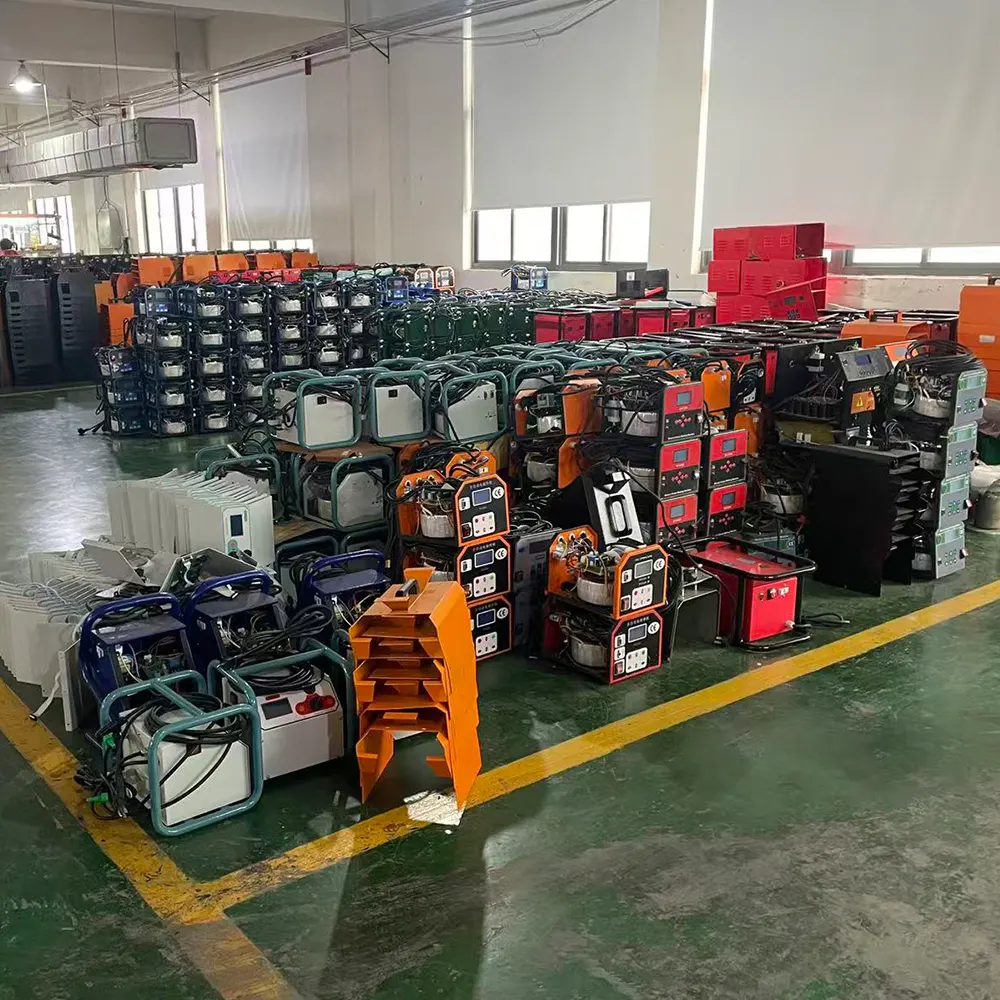
JQ-Fusion provides a wide range of HDPE pipe welding machines — manual, hydraulic, and CNC automatic butt fusion machines — designed for durability across water supply, gas distribution, mining, and industrial pipeline projects. For spare parts, technical support, or tailored configurations, visit JQ-Fusion.
Quick Takeaway
Realistic lifespan depends on machine type, operating conditions, and maintenance. With proper care, many welding machines can perform reliably for a decade or more. Invest in quality, prioritize regular maintenance, and plan spare-part inventories to maximize uptime and extend the service life of your PE pipe welding equipment.



