
Choosing the best gas line welder manufacturer in Switzerland means balancing precision, certification and year-round reliability. Contractors, municipal utility teams and pipeline engineers in alpine and urban areas need equipment that performs under cold temperatures, meets Swiss standards and supports multilingual crews across German-, French- and Italian-speaking regions.
Why Swiss Projects Demand High-Performance Welders
Safety, longevity and traceability are non-negotiable for Swiss gas distribution projects. The tough Swiss climate, steep terrain and strict regulatory environment (including expectations from SVGW and local utility authorities) require welding machines that produce consistent, certified butt- and electrofusion joints every time.
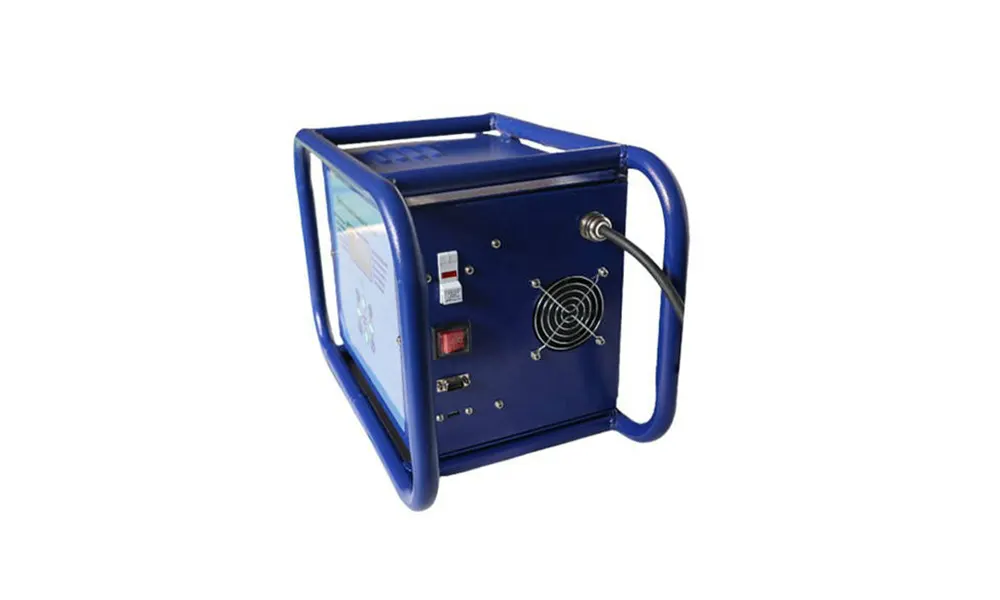
Key features Swiss buyers look for
Reliable temperature control for repeatable fusion cycles — critical in cold or high-altitude conditions.
Durable hydraulics and corrosion-resistant frames to withstand site transport and outdoor storage.
Clear documentation and training in German/French/Italian, plus digital logs for traceability on large municipal projects.
Common machine types and when to choose them
Manual butt fusion — cost-effective for small repairs and local contractors working on tight budgets.
Hydraulic butt fusion — robust choice for regular trench deployments and large-diameter pipes used in regional gas mains.
Automatic/CNC butt fusion — best for factories or high-volume prefabrication yards where repeatability and record-keeping matter.
Electrofusion — ideal for fittings and repairs in confined spaces or for joining complex components with certified electrofusion couplers.
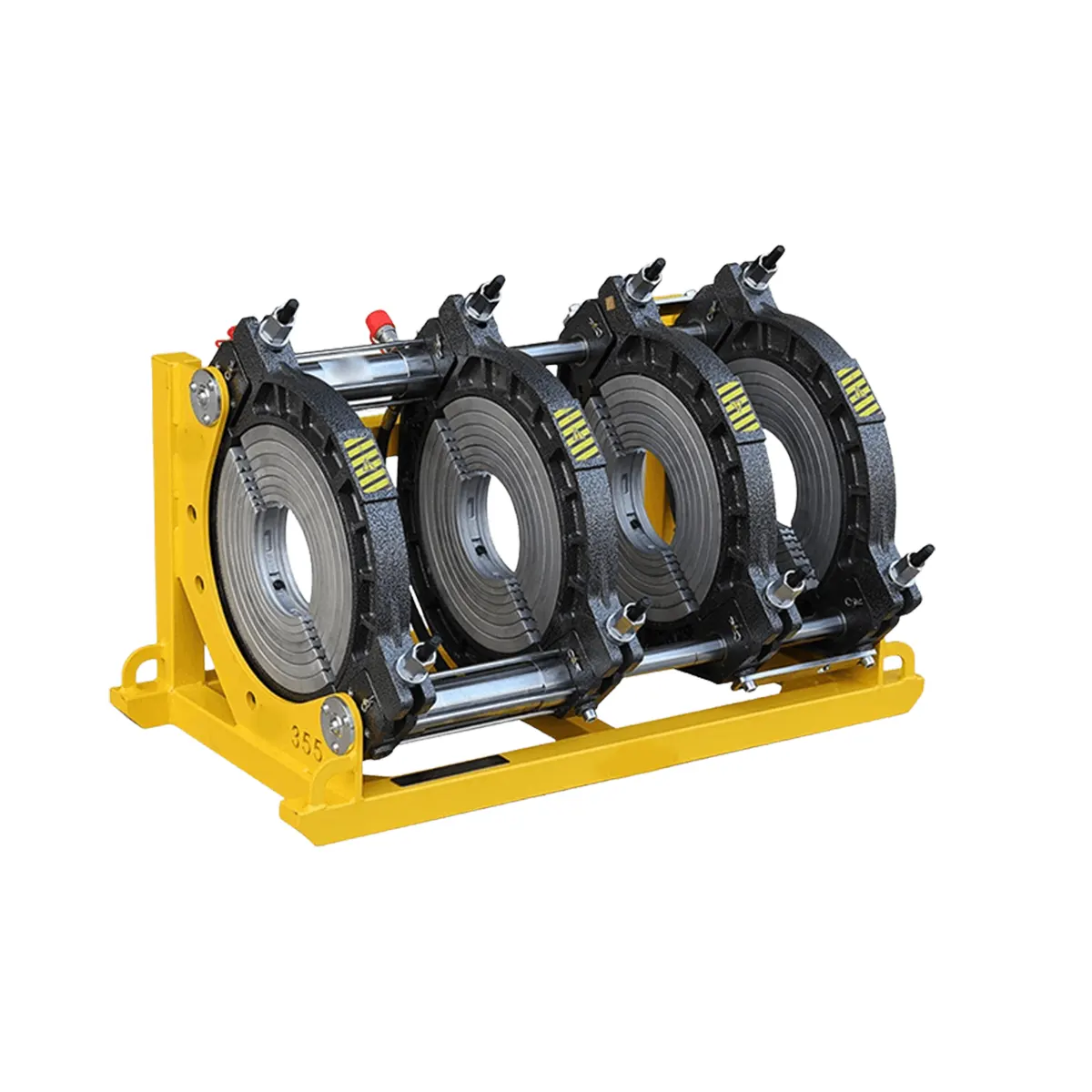
Comparison at a glance
| Machine Type | Pipe Range | Best Use |
|---|---|---|
| Manual Butt Fusion | Small to medium | On-site repairs, low-volume work |
| Hydraulic Butt Fusion | Medium to large | Trench installations, regional mains |
| Automatic/CNC Fusion | Small to very large | Prefabrication yards, high precision |
| Electrofusion | Fittings and repairs | Service lines, complex joints |
How to evaluate a supplier in Switzerland
Certification & compliance: Ask about conformity with Swiss utility regulations and whether machine performance data can integrate with local QA systems.
Service network & spare parts: Fast access to parts, trained technicians and multilingual manuals reduces downtime on Swiss sites.
Training & documentation: On-site or virtual training in local languages and clear weld records help meet municipal inspection requirements.
Price vs. lifecycle value
Swiss buyers often pay a premium upfront for machines that minimize long-term maintenance, deliver consistent joints and hold resale value. Consider total cost of ownership: warranty coverage, spare-part lead times, and energy efficiency all matter.
Manufacturer spotlight
JQ-Fusion offers a wide range of HDPE welding solutions — from manual to hydraulic and CNC automatic butt fusion machines — designed for water, gas and industrial pipelines and supported by global supply and service capabilities.
Buying checklist for Swiss contractors
1. Confirm machine performance in low temperatures and at altitude.
2. Verify documentation meets Swiss QA/inspection standards.
3. Ensure spare parts and technicians are available with reasonable lead times in Switzerland or neighboring EU locations.
Final note: For Swiss projects, prioritize traceability, durability and bilingual support when selecting a gas line welder manufacturer — these factors reduce risk and keep networks operating safely for decades.



