
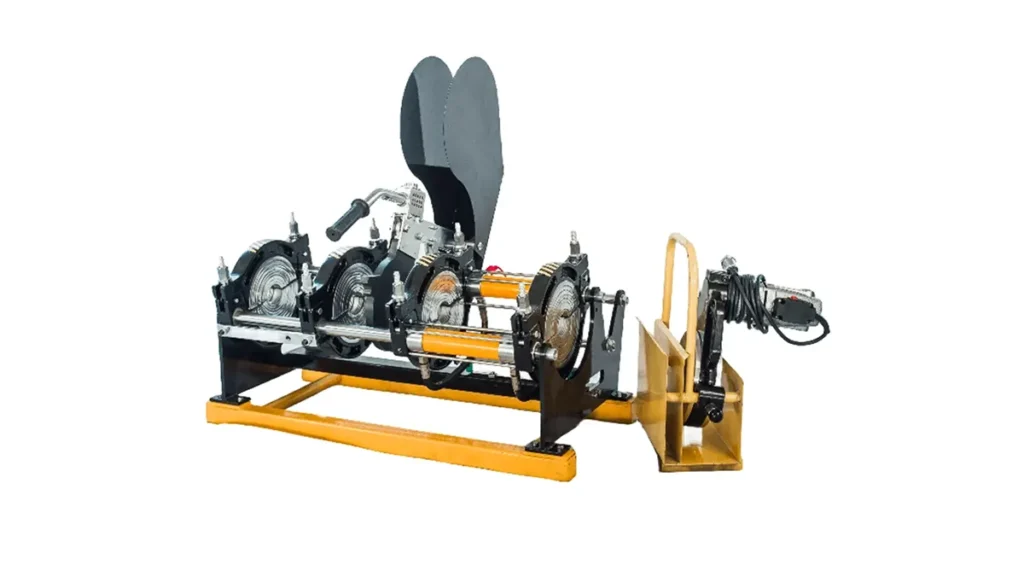
Reliable construction data collection for welding machines and HDPE pipeline fusion is the backbone of project quality control. This guide outlines practical, on-site methods to capture accurate fusion records, combine manual checks with digital logging, and create traceable datasets that satisfy inspectors and stakeholders.
Why Accurate Fusion Data Matters
Safety, durability, and regulatory compliance all depend on consistent, verifiable welding records. Mistakes in fusion temperature, alignment, or pressure can cause joint failure years after installation. Accurate on-site monitoring reduces rework, warranty claims, and downtime.
Core Data Types to Capture
Focus on measurable parameters that directly affect joint strength. Record these in real time where possible, and back them up with photographic and GPS evidence to create an auditable trail.
| Data Type | Frequency | Recommended Tool |
|---|---|---|
| Heater Plate Temperature | Continuous / per weld | Machine logger / digital thermometer |
| Fusion Pressure / Force | Per weld | Machine sensor / load cell |
| Fusion Time & Cycle Stages | Per weld | Machine controller / logbook |
| Pipe ID, OD, SDR | Each joint | Barcode/GPS tag, manual entry |
| Ambient & Soil Conditions | Daily / per critical weld | Thermometer, hygrometer |
| Photographic Evidence & GPS | Per weld | Smartphone / camera with GPS |
Field Data Collection Methods
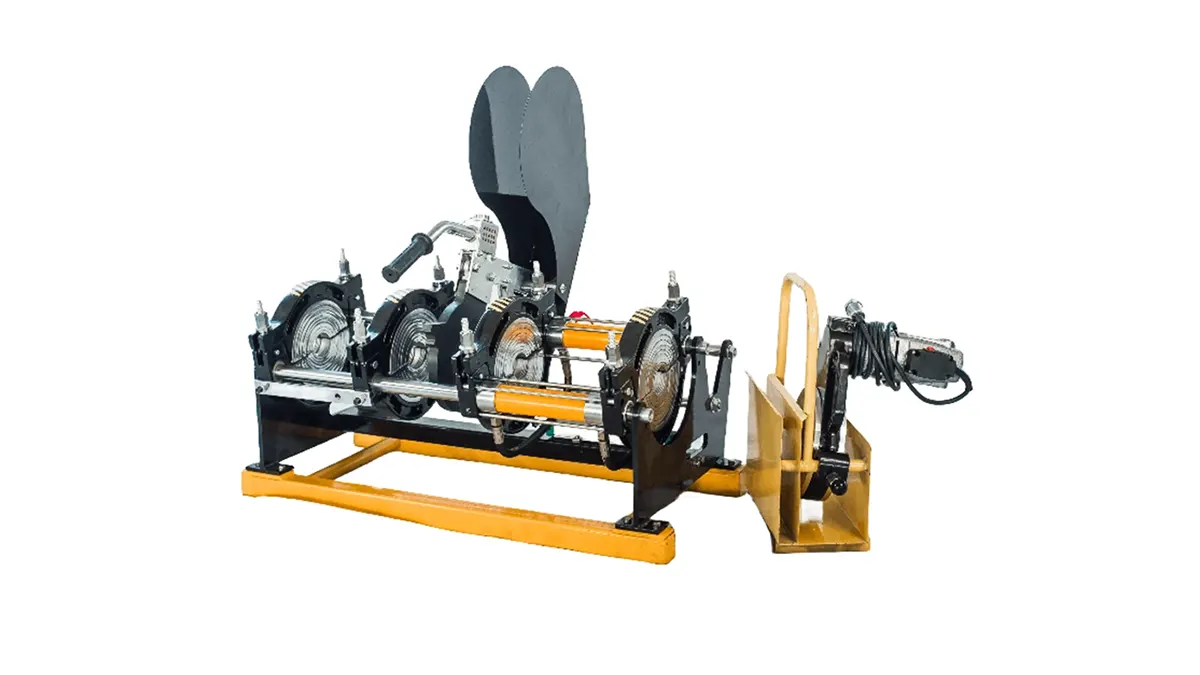
1. Digital machine logs — Use automatic welders with built-in controllers that export fusion reports (time, temperature, pressure). Export formats like CSV or PDF allow rapid upload to project databases.
2. Mobile data capture — Use forms on tablets or smartphones to record joint IDs, operator name, and photographic evidence. Prefer apps that support offline entry and GPS stamping for remote sites.
3. Manual cross-checks — Maintain a paper backup or a laminated checklist for critical parameters when electronics are unavailable. Ensure every manual record is transcribed into the digital system within 24 hours.
Practical Tips for On-Site Accuracy
Calibrate sensors daily, verify heater plates are clean, and confirm pipe ends are trimmed square. Use shims and alignment jigs for large-diameter pipes. Always document calibration certificates and instrument serial numbers.
Data Integrity & Traceability
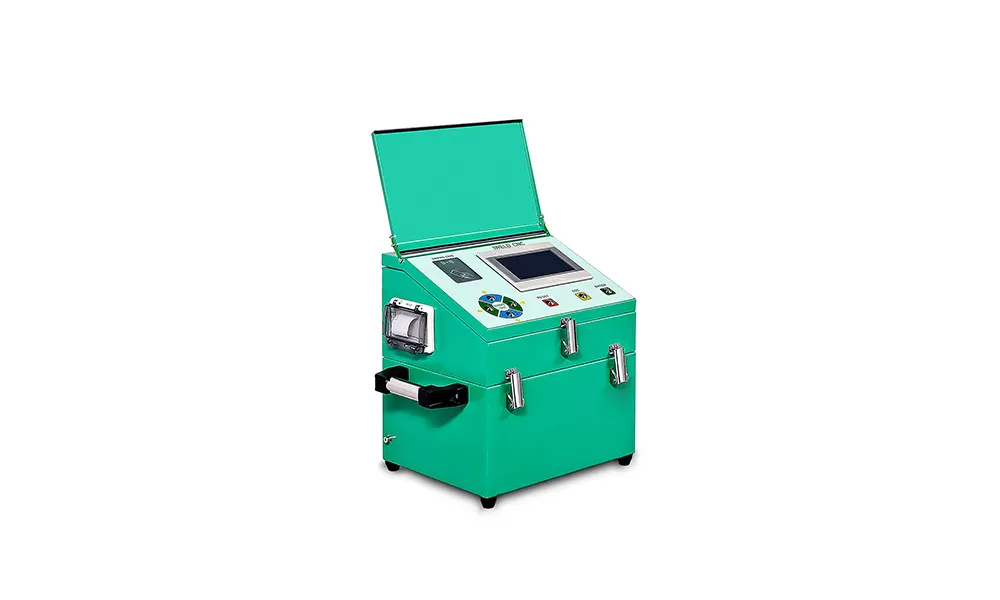
Assign a unique joint identifier (barcode or alphanumeric) to each weld. Link machine logs, photos, and inspector signatures to that ID. Store data in a centralized repository with version control and regular backups to prevent loss.
Recommended Digital Tools
Choose fusion machines or retrofittable controllers that support exportable logs. Integrate GPS-enabled photo capture and cloud sync for immediate accessibility. Consider simple database templates that allow filtering by pipe size, operator, or date.
Quality Control Workflow Example
1) Prepare pipes and verify material codes. 2) Start machine and confirm preheat temperature. 3) Run fusion cycle while logging temperature, pressure, and times. 4) Photograph joint and capture GPS. 5) Upload data and mark joint as inspected after cooling and a visual check.
Training & Team Responsibilities
Train operators on device use and data entry standards. Appoint a data custodian who reviews daily logs for anomalies and coordinates with QA engineers. Regular field audits help maintain consistency across crews.
Equipment & Supplier Note
For robust fusion equipment and controllers designed for accurate on-site logging, consider products from JQ-Fusion. Their portfolio covers manual, hydraulic, and automatic butt fusion machines suitable for a wide range of pipe diameters and jobsite conditions.
Quick Checklist for Site Setup
– Calibrated temperature & pressure sensors on machine
– Standardized log template (digital preferred)
– GPS-enabled photo capture for each weld
– Daily backup of logs to cloud or project server
– Operator & inspector signatures linked to each joint ID
Consistent collection and verification of welding and fusion data reduce risk and provide confidence that pipeline systems will perform as designed. Adopt a mix of automated logging and disciplined manual confirmation to deliver reliable, auditable construction records.



