
Electric fusion smart control welders combine digital precision with field-proven fusion technology to deliver faster, cleaner, and more reliable HDPE and thermoplastic pipe joints. Designed for contractors, utility crews, and pipeline installers, these systems reduce rework and improve throughput while giving operators clear, auditable weld records.
Core Advantages of Smart-Control Fusion Welders
Smart control systems automate heating, fusion pressure, and cooling cycles, ensuring consistent joint quality across varying environmental conditions. Built-in sensors monitor temperature, force, and alignment in real time, while touchscreen interfaces provide step-by-step guidance for both experienced welders and new technicians.
Key benefits: repeatable weld parameters, reduced operator dependency, and accurate traceability for compliance with industry standards.
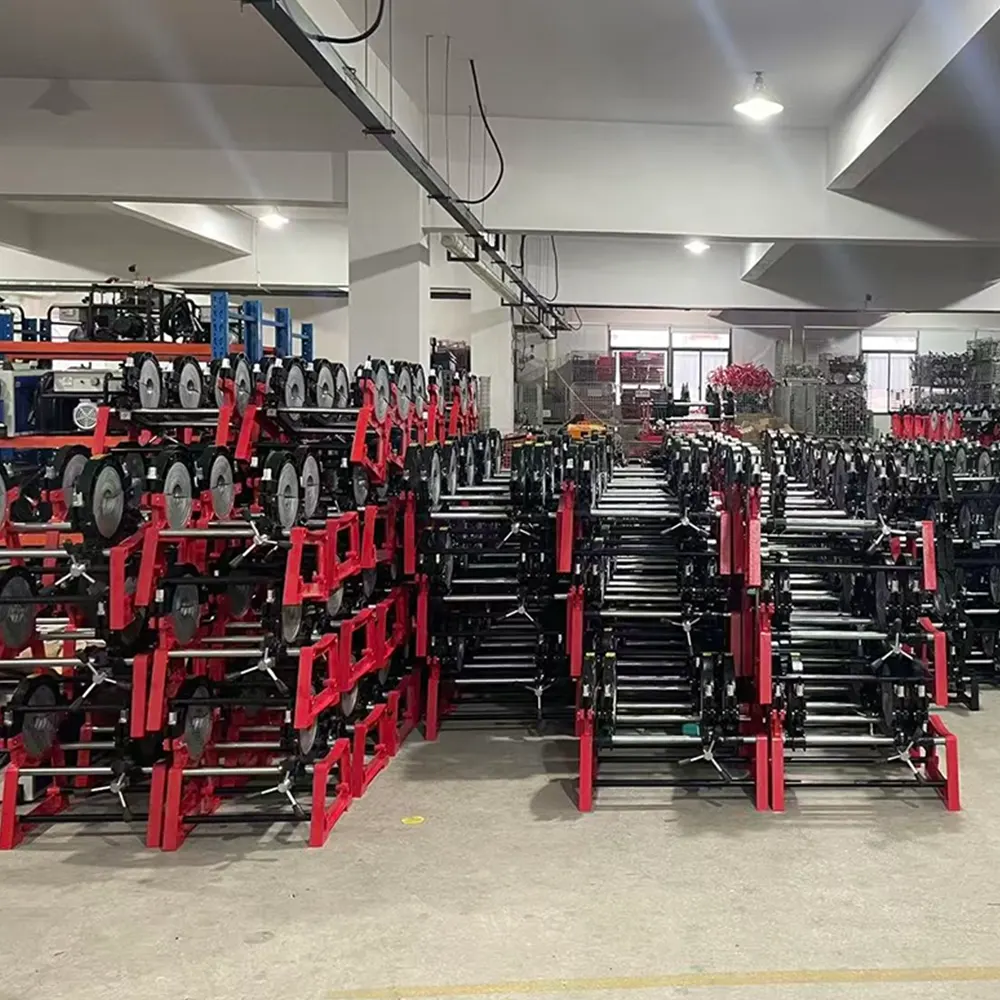
Smart Features That Improve Project Outcomes
Modern electric fusion welders include programmable profiles for different pipe materials and diameters, remote data export for quality assurance, and adaptive algorithms that compensate for ambient temperature and pipe wall variations. These features translate into fewer failed joints and faster on-site progress.
Why Precision Matters
Precise control of heating temperature and fusion force minimizes material degradation and ensures a homogeneous melt line. In long-distance gas, water, or industrial piping networks, that reliability reduces downtime and lifecycle costs.
Typical Applications
Electric fusion smart control welders are widely used in:
– Municipal water and sewer projects where leak-free joints are critical.
– Gas distribution networks requiring certified, auditable weld records.
– Mining and industrial installations that demand durable, chemical-resistant pipe systems.
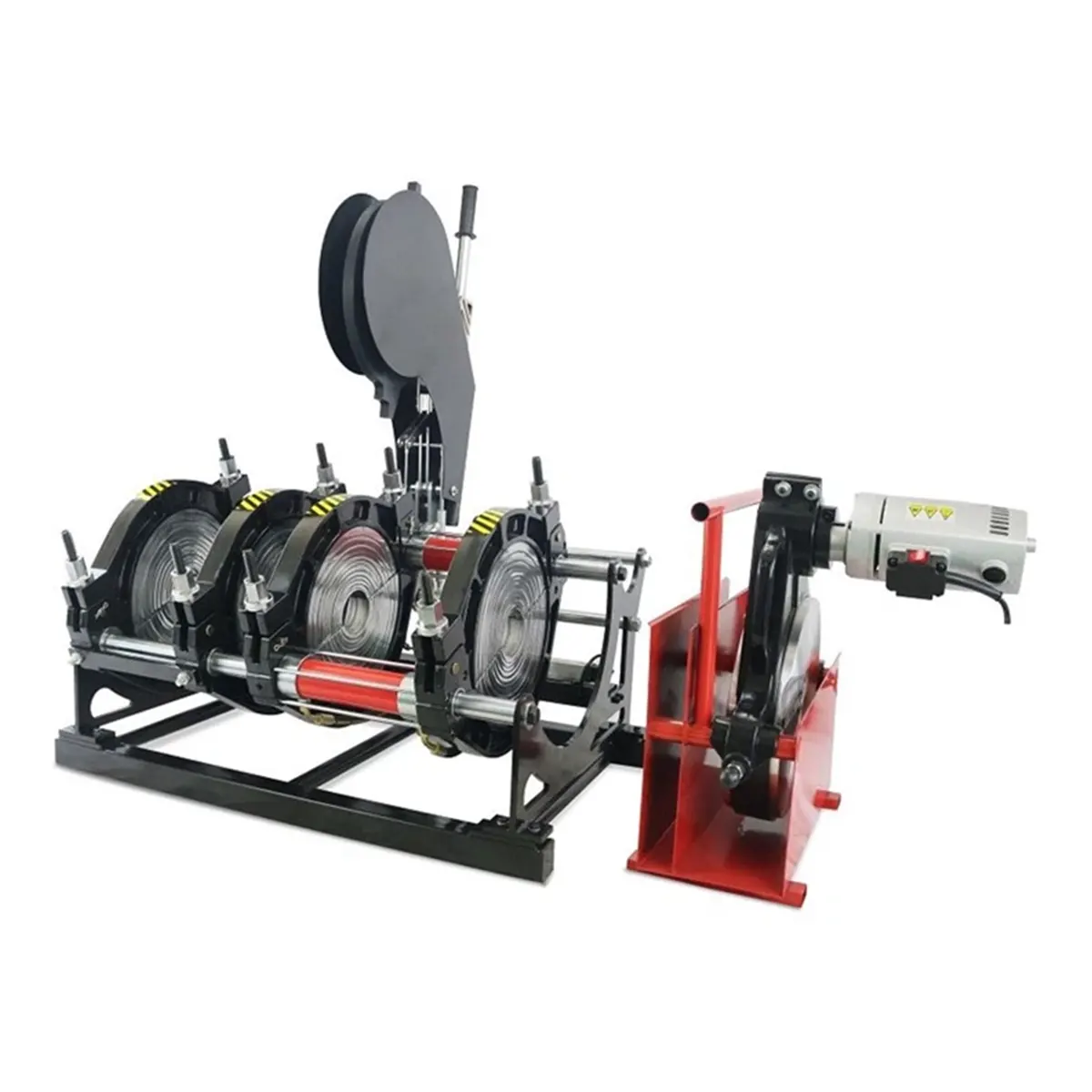
Performance & Specification Snapshot
| Specification | What It Means |
|---|---|
| Digital temperature control | Accurate heating to ±1°C for consistent melt |
| Automated pressure stages | Eliminates human error during fusion cycles |
| Data logging & export | Traceable weld reports for QA/QC |
| Portable power options | Field-deployable for remote worksites |
Installation and Operation Tips
Before starting, verify pipe cleanliness, alignment, and facing quality. Use the welder’s pre-configured profiles where available to match material density and wall thickness. For first-time users, follow the guided procedure on the touchscreen and record a sample weld to validate parameters.
When working in cold climates or dusty environments, protect sensors and heating plates from contamination to maintain accurate readings and surface contact.
Maintenance & Safety Essentials
Routine checks extend machine life: inspect cables, sensor connectors, heater plates, and hydraulic components. Calibrate temperature probes per the manufacturer’s schedule and keep firmware up to date for the latest control improvements.
Always follow confined-space and pipeline safety protocols. Use appropriate personal protective equipment and ensure the work area is well-ventilated during heating operations.
Choosing the Right Smart Fusion Welder
Select machines based on pipe diameter range, on-site power availability, and the level of automation required. For contractors managing multiple crews, prioritize units with remote monitoring and centralized data export to streamline project oversight.
For reliable butt fusion solutions and a broad range of HDPE welding machines, consider the lineup available from JQ-Fusion, a professional manufacturer focused on durable, customizable fusion equipment for global infrastructure projects.



