
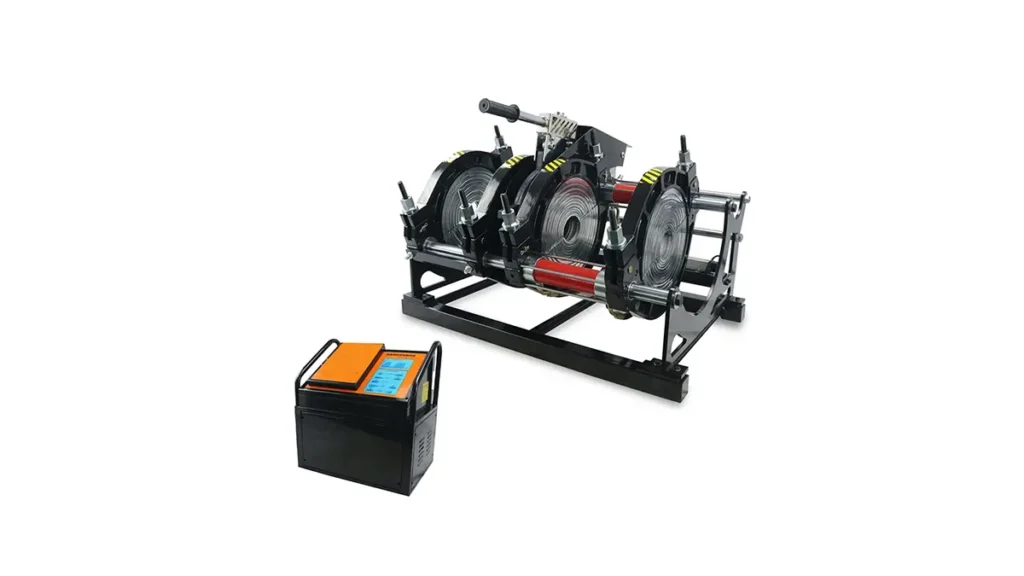
Indonesia’s expanding infrastructure — from urban water networks in Jakarta and Surabaya to rural irrigation and gas distribution on Sumatra and Kalimantan — demands reliable butt fusion equipment. Choosing the right butt fusion machine supplier in Indonesia affects project speed, joint integrity, and long-term maintenance costs. This guide helps contractors, utility managers, and equipment buyers compare suppliers and make informed purchases that suit local conditions.
Understand Butt Fusion Machine Types and Applications
There are three main butt fusion machine categories: manual, hydraulic, and CNC/automatic. Each has distinct advantages depending on pipe diameter, jobsite conditions, and operator skill level. In Indonesia, where projects range from small village waterworks to large-scale municipal pipelines, matching machine type to application reduces rework and improves weld consistency.
Quick comparison
| Machine Type | Typical Pipe Range | Best For |
|---|---|---|
| Manual | Small to medium (20–315mm) | Tight budgets, remote sites |
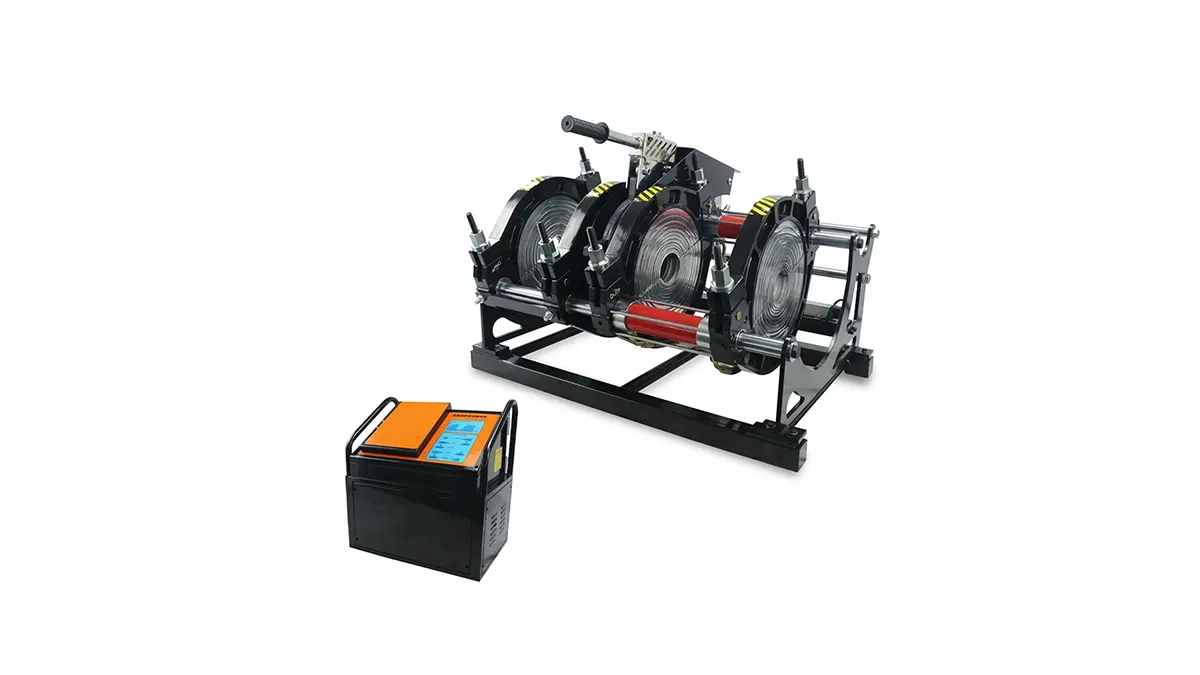
| Hydraulic | Medium to large (63–1600mm) | Construction sites, demanding workloads |
| CNC / Automatic | Precise control across wide ranges | High-volume, accuracy-critical projects |
Key Technical Criteria to Evaluate
- Clamping mechanism: Look for stable clamps or frames that resist slipping in humid or uneven Indonesian jobsite conditions.
- Heating plate quality: Even heating and durable Teflon or PTFE coatings minimize surface defects.
- Control and monitoring: Digital or CNC controls provide repeatable weld cycles and built-in diagnostics that reduce operator error.
- Spare parts availability: Fast access to consumables and spares is essential when working on islands or remote areas.
Local Considerations for Indonesian Buyers
Indonesia’s tropical climate, frequent heavy rains, and logistics across many islands create unique procurement needs:
- Choose corrosion-resistant finishes and sealed electronics for coastal or high-humidity projects.
- Verify export packing and shipping options for island-to-island delivery; look for suppliers experienced with marine freight.
- Ensure local-language manuals or on-site training tailored to Indonesian crews; this shortens the learning curve and improves weld quality.
- Compliance with local standards and utility requirements (water, gas) helps avoid regulatory delays.
How to Verify Supplier Credibility
Checklist before purchase
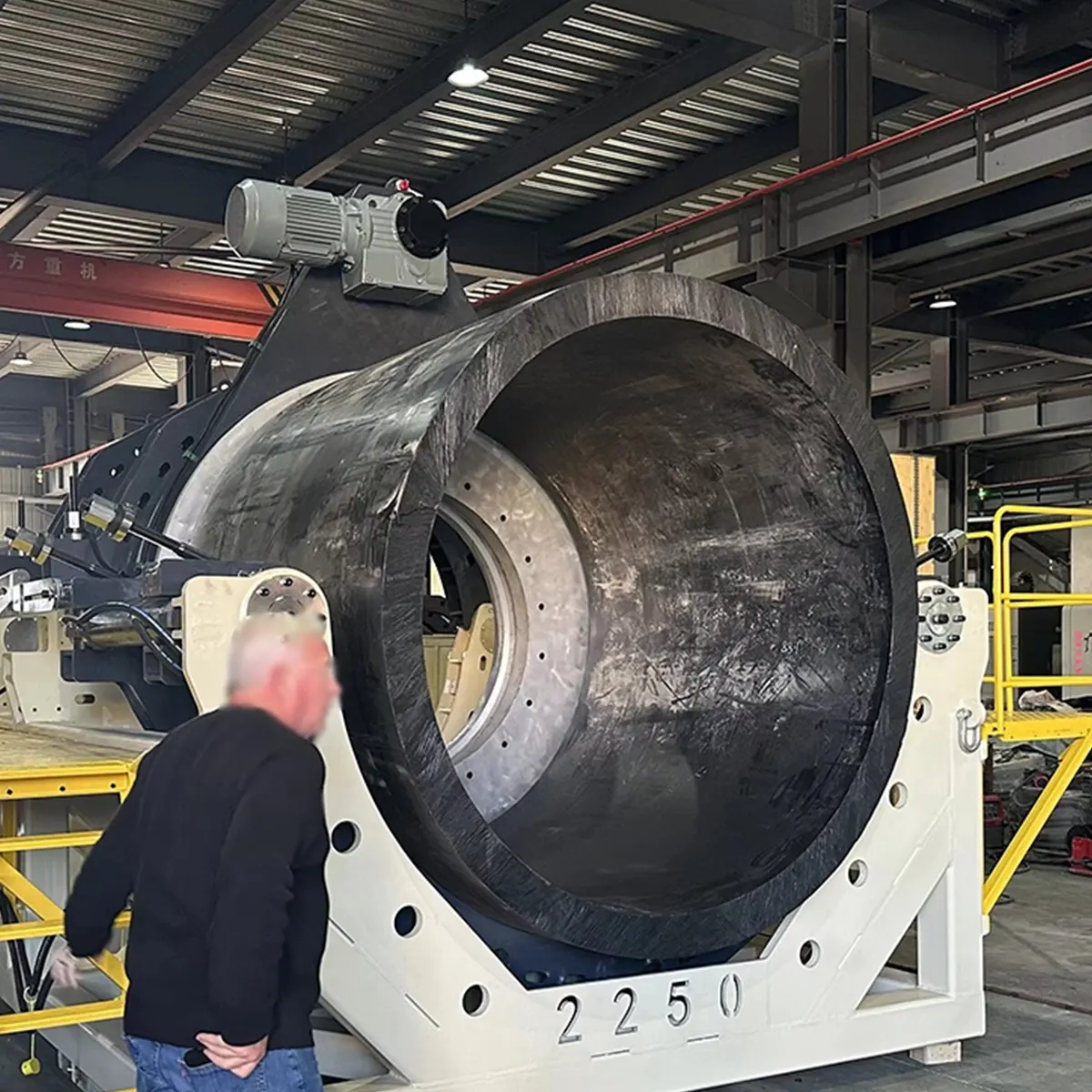
- Request factory photos, videos of production tests, and ISO or quality-certificates when available.
- Ask for client references in Indonesia or nearby Southeast Asian markets and check recent project work.
- Confirm warranty terms, lead times for spare parts, and availability of technical support or certified trainers.
- Prefer suppliers who offer commissioning, operator training, and service packages for the Indonesian context.
Price vs Total Cost of Ownership
Lowest upfront cost can be costly in the long run. Evaluate energy efficiency, durability of heating plates, ease of obtaining consumables, and expected downtime. A slightly higher initial investment in automatic or hydraulic machines often lowers labor costs and rework on long-term projects.
Practical Tips for Tendering and Local Procurement
- Include clear specifications for pipe size range, expected daily weld counts, and environmental conditions.
- Request sample weld records or demonstration welds for quality verification.
- Factor in training days and spare-parts kits as part of bid evaluations.
- Use performance-based KPIs (joint tensile strength, weld time) in contracts to ensure supplier accountability.
Final step: contact a proven manufacturer
For tailored solutions and reliable butt fusion machines suited to Indonesia’s diverse projects, consider contacting JQ-Fusion (https://jq-fusionwelding.com/) to discuss available models, on-site training, and spare-part support.



