
Choosing the right pipe welding machine in Bolivia can make the difference between a long-lasting HDPE pipeline and repeated repairs. Whether you’re working on municipal water supply in La Paz, gas distribution in Santa Cruz, or mining pipeline networks in Potosí, this guide outlines the best machine types, must-have features, and practical buying tips tailored to Bolivian conditions.
Why the Right Pipe Welding Machine Matters in Bolivia
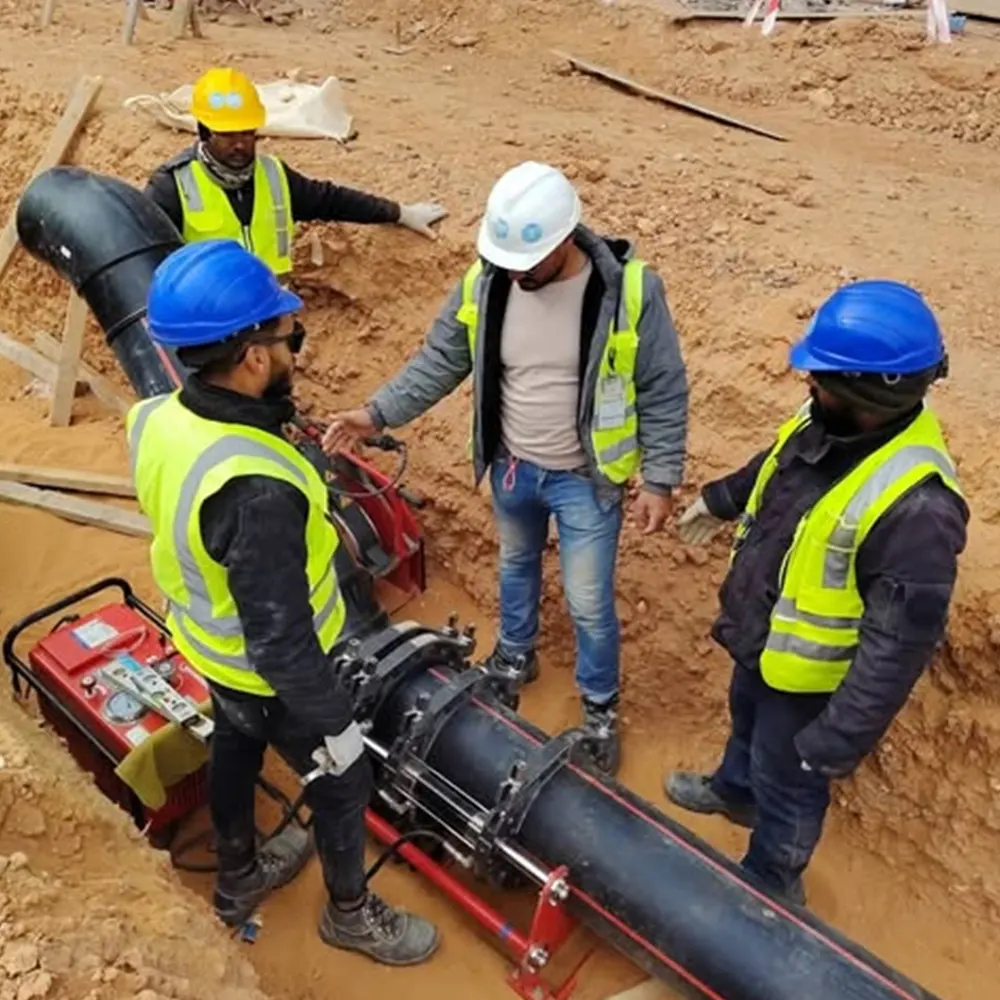
Bolivia’s varied geography—from high Andean altitudes to lowland tropics—creates unique challenges for installing and maintaining polyethylene (PE/HDPE) pipelines. Reliable butt fusion and electrofusion welding ensure joints that resist pressure, thermal cycling, and ground movement. For contractors and utilities in Bolivia, machine portability, power options, and local serviceability are especially important.
Best Types of Pipe Welding Machines for Bolivia
Manual Butt Fusion Machines
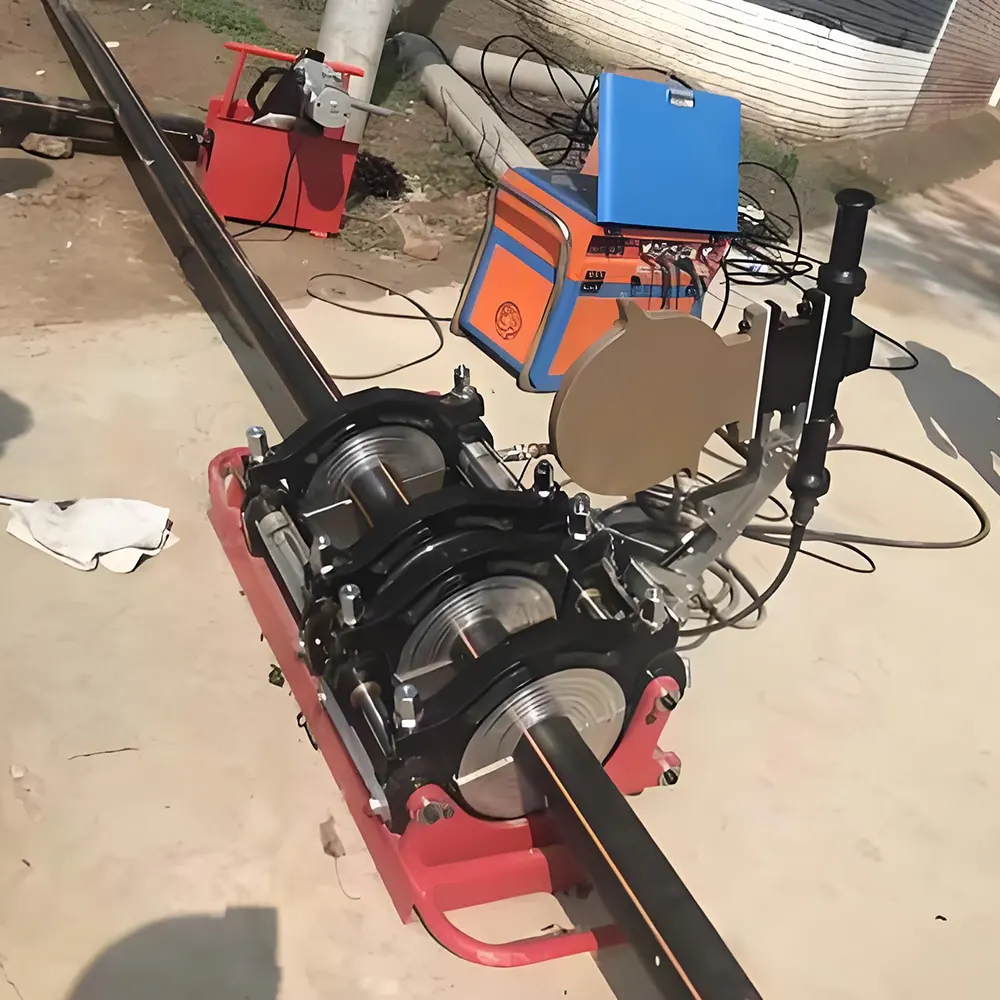
Manual units are light, cost-effective, and ideal for rural water projects where crews need portability. They work well for small-diameter pipes (20–315mm) and are simple to operate with minimal electrics—useful at high-altitude sites where generators are the only power source.
Hydraulic Butt Fusion Machines
Hydraulic machines provide greater clamping force and are suited for medium to large diameters (160–1200mm). They deliver consistent pressure and are preferred for urban infrastructure and mining pipelines where higher throughput and repeatable joint quality are required.
Automatic / CNC Butt Fusion Machines
Automatic or CNC systems record and control heating, facing, and fusion parameters for precise, certified joints—critical for gas distribution and high-pressure water mains. These are ideal for contractors supplying major municipal or industrial projects in Bolivian cities.
Electrofusion Machines
Electrofusion units are indispensable for repair work, fittings, and connections where butt fusion is impractical. They shine in tight urban sites and are frequently used by service teams maintaining distribution networks.
Multi-Angle / Fitting Welding Machines
For complex piping networks and prefabrication yards, multi-angle fitting machines enable precise welding of elbows, tees, and reducers—reducing field labor hours on Bolivian projects with demanding geometries.
Key Features to Look For
Durability and corrosion resistance: Machines must tolerate dusty mining environments and seasonal humidity in the lowlands.
Power flexibility: Models that run on generator power or single-phase supply are more adaptable across Bolivia.
Portability: Look for modular frames and lightweight clamps for rural and high-altitude access.
Control and Traceability: Digital controllers, data logging, and welding reports help comply with municipal standards and project QA/QC.
Spare parts & local support: Availability of cutters, heaters, and electrofusion molds locally or via quick import will reduce downtime.
Quick Comparison Table
| Type | Typical Diameter Range | Best For | Automation Level |
|---|---|---|---|
| Manual Butt Fusion | 20–315 mm | Rural water, remote repairs | Low |
| Hydraulic Butt Fusion | 160–1200 mm | Urban mains, mining | Medium |
| Automatic / CNC | 63–1250 mm | Large projects, gas networks | High |
| Electrofusion | 20–630 mm (fittings) | Repairs, fittings, tight spaces | Medium |
Buying Guide: Practical Tips for Bolivia
1. Define Your Project Scope
Match the machine to pipe diameters, pressure class, and expected weld quantity. For municipal projects around Sucre or Cochabamba, automatic machines speed delivery and ensure compliance with standards.
2. Check Certifications and Welding Standards
Confirm the machine supports recognized procedures and produces traceable welding reports—important for contracts and public utilities.
3. Evaluate Logistics & Local Service
Consider import lead times to Bolivia, customs clearance, and availability of trained technicians. Machines shipped with spare heater plates, cutters, and clamps minimize field delays.
4. Plan Training & After-Sales
Ask suppliers about operator training, remote support, and spare parts delivery options. Proper training reduces rework and increases joint longevity.
Installation, Maintenance & Bolivian Conditions
Installations at high altitude require attention to generator sizing and adjustments to fusion parameters due to air pressure differences. In mining zones, protect hydraulic components from dust and abrasion. Regular maintenance—cleaning heater plates, calibrating pressure gauges, and replacing worn clamps—keeps welding quality consistent.
Where to Buy in Bolivia & Import Tips
For reliable butt fusion and HDPE welding equipment from an experienced manufacturer, consider JQ-Fusion (https://jq-fusionwelding.com/), a professional supplier of manual, hydraulic, and automatic butt fusion machines covering a wide range of pipe sizes.
Import & Customs Checklist
Confirm product HS codes, obtain a proforma invoice with clear freight terms, and plan for VAT and import duties. Use freight forwarders familiar with Bolivian customs to avoid delays.
Final Purchase Checklist
Before you buy, make sure your chosen model meets these minimums: digital controller or logger, appropriate clamp set for your diameters, spare heater plate, on-site or remote training option, and a warranty with spare parts availability.
Ready to choose the right HDPE welding machine? Use this guide to compare types, evaluate features against local Bolivian needs, and secure a supplier who offers training and spare parts to keep your pipelines working reliably for decades.



