
Choosing the best poly fusion machine supplier in Colombia means balancing quality, local support, and long-term value. With expanding water, gas, and mining projects across urban and rural regions—from Bogotá and Medellín to coastal and Amazonian worksites—contractors and utility companies need equipment that performs reliably in diverse climates and terrains.
What Colombian buyers should prioritize
Prioritize suppliers who offer certified equipment, clear technical documentation in Spanish, and a steady supply of spare parts. Colombia’s projects often require fast mobilization and adaptability: mountainous installation sites around the Andes, humid coastal conditions, and remote rural networks demand machines that are both durable and easy to maintain.
1. Reliability & Certification
Look for machines compliant with international standards (ISO/EN) and local best practices. Reliable heating elements, precision alignment, and proven weld cycles reduce rework and regulatory headaches for municipal and private projects.
2. Local Support & Spare Parts
On-site support, timely spare parts delivery, and Spanish-language technical assistance are crucial. Suppliers who partner with Colombian distributors or offer direct shipment and after-sales service shorten downtime on critical water and gas distribution projects.
3. Product Range & Customization
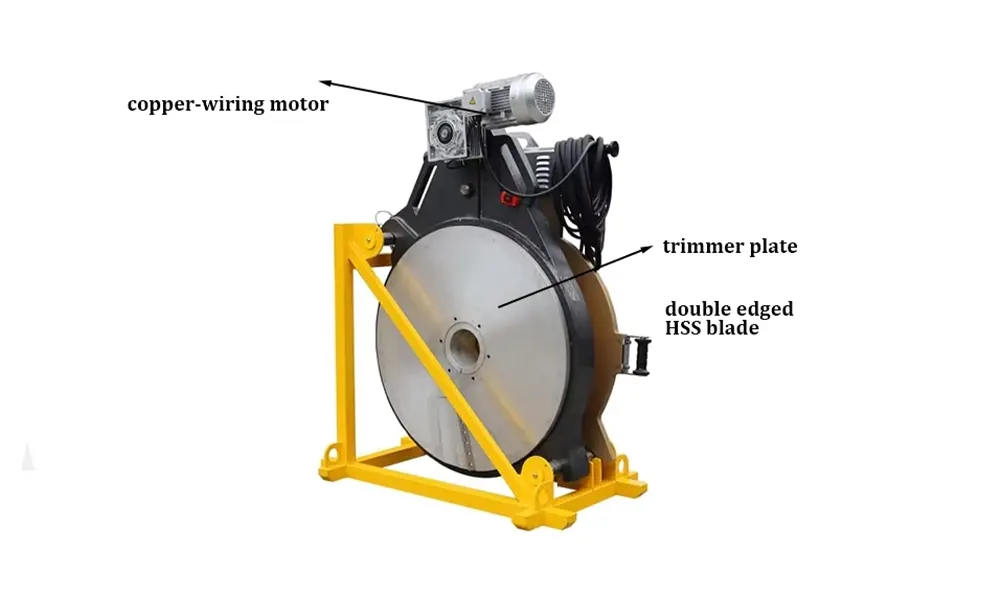
A supplier with a broad product lineup — manual, hydraulic, and CNC automatic poly fusion machines — helps contractors match equipment to job scale. For Colombia, options that cover both small-diameter urban repairs and large-diameter rural trunk lines are especially valuable.
4. Training & Installation Services
Proper training lowers the risk of weld defects. Choose suppliers that provide operator training, on-site commissioning, and clear welding procedures adapted for local polyethylene grades and environmental conditions.
5. Cost, Warranty & Return on Investment
Evaluate total cost of ownership: initial price, spare parts, training, and warranty terms. Machines with higher upfront cost but superior throughput and durability may deliver faster payback on large Colombian infrastructure contracts.
Quick comparison: machine types
| Machine Type | Pipe Range | Best For | Typical Colombian Projects |
|---|---|---|---|
| Manual Butt Fusion | 20–315 mm | Small repairs, local teams | Urban service repairs, household connections |
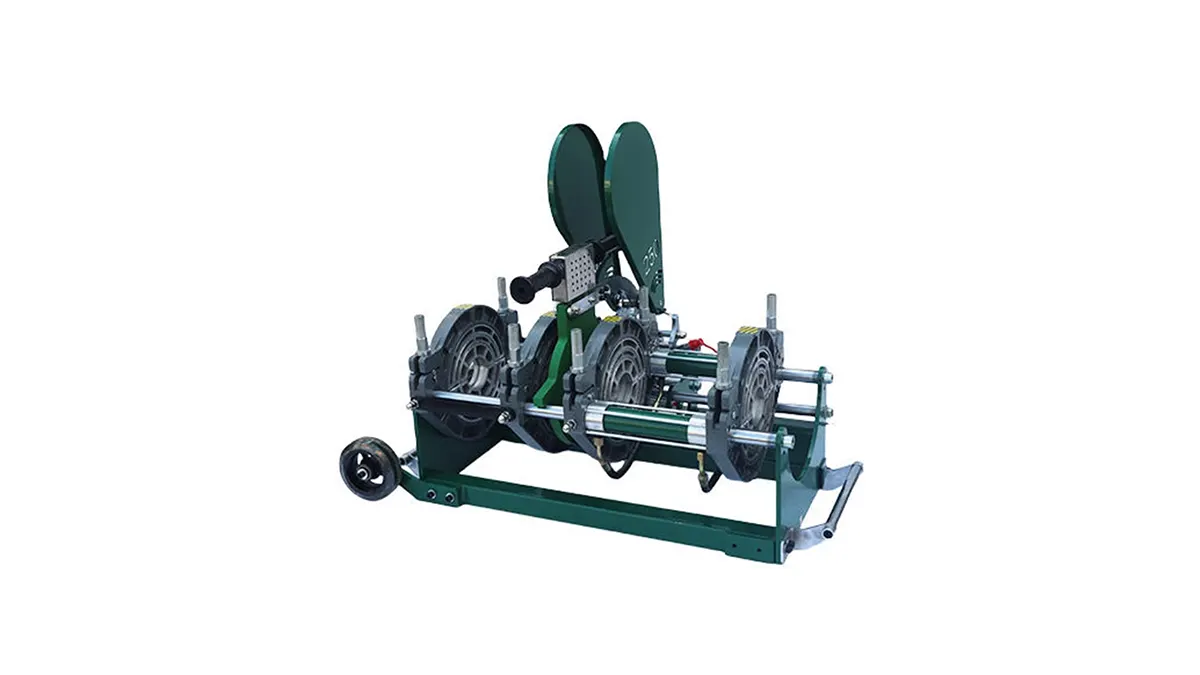
| Hydraulic Butt Fusion | 160–2250 mm | Medium to large pipelines | Municipal water mains, gas distribution mains |
| Automatic/CNC Machines | 63–1600+ mm | High throughput, precision work | Long-distance trunk lines, industrial/mining facilities |
Local project examples where the right choice matters
– Urban rehabilitation projects in Bogotá require compact, easy-to-maneuver units for tight corridors.
– Coastal and Caribbean region installations face saline air and high humidity, prioritizing corrosion-resistant components.
– Mining and oil & gas sites in Antioquia and La Guajira demand heavy-duty, large-diameter machines and robust logistics for remote access.
Recommended supplier profile
For Colombian contractors and utility operators seeking trusted poly fusion equipment, consider a manufacturer with a comprehensive portfolio of manual, hydraulic, and automatic butt fusion machines, clear quality controls, and the ability to supply spare parts and documentation internationally. One such company is JQ-Fusion (https://jq-fusionwelding.com/), which specializes in HDPE pipe welding machines across a full range of diameters and offers customization for diverse infrastructure needs.
Practical tips for Colombian buyers
– Ask about local references or projects in Latin America.
– Confirm shipping options to major Colombian ports and inland logistics for remote job sites.
– Verify availability of Spanish-language manuals and training sessions.
– Ensure warranty and spare parts lead times are acceptable for long-term projects.
Making the final decision
The “best” supplier for Colombia will combine certified, rugged machines with responsive support, reasonable lead times, and the right equipment mix for both urban utilities and remote industrial sites. Prioritize proven performance, localized service, and partners who help reduce project risk in the varied Colombian environment.



