
Buying a butt fusion welding machine in China can be a smart choice for contractors, distributors, and municipal buyers looking for competitive prices, reliable supply chains, and a wide range of HDPE welding equipment. This guide helps international buyers and China-based purchasers evaluate suppliers, compare prices, and select the best machine type for their projects.
Why China Is a Leading Source for Butt Fusion Welding Machines
China combines large-scale manufacturing with fast lead times and diverse product lines. Local factories produce manual, hydraulic, and CNC automatic butt fusion machines across small to very large diameters. For buyers in Asia, Africa, and Europe, China offers affordable unit costs, flexible customization, and export experience. When sourcing from China, pay attention to export documentation, factory audits, and post-sales technical support.
Key Machine Types
Manual butt fusion machines — simple, portable, great for small-diameter pipes and site repairs. Ideal for contractors needing low-cost, easy-to-service equipment.
Hydraulic machines — higher clamping force and precision for medium to large pipelines; often the best balance of automation and mobility for municipal and industrial projects.
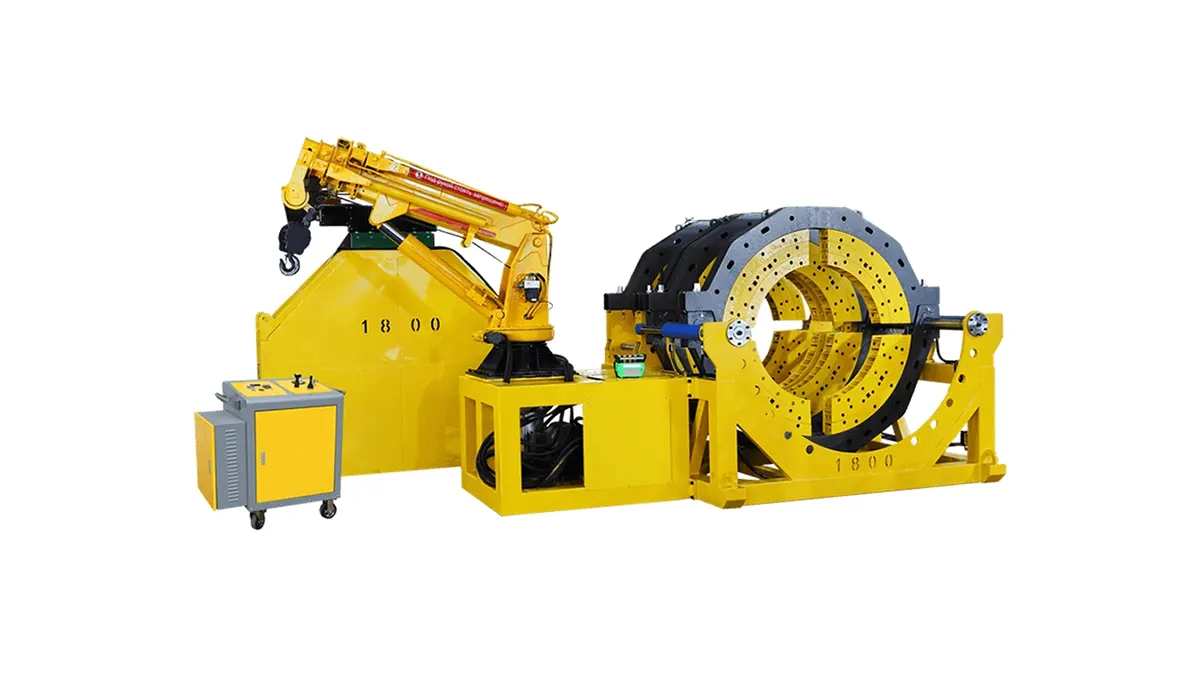
Automatic / CNC machines — programmable cycles, data logging, and minimal operator dependence; recommended for high-volume production, factory welding, or large infrastructure works where traceability is required.
What Buyers in China and Nearby Regions Typically Look For
Local buyers prioritize fast delivery, spare parts availability, and service. Export buyers often prioritize CE/ISO certification, welding performance data, and shipping terms (FOB, CNC, EXW). For remote job sites common in Southeast Asia and Africa, look for machines with robust frames, easy-to-source hydraulic components, and local training or online technical support.
How to Compare Prices and Get Accurate Quotes
Price ranges vary widely by machine type, pipe diameter capacity, and automation level. When requesting quotes, include:
– required pipe diameter range (e.g., 63–315mm or up to 2000mm)
– desired automation level (manual / hydraulic / automatic)
– required accessories (trimmer, heater plates, clamps, transport frames)
– shipping terms and lead time expectations
Sample Price Grid (indicative)
| Machine Type | Typical Capacity | Indicative Price (USD) |
|---|---|---|
| Manual Butt Fusion | 63–315mm | $900 – $4,500 |
| Hydraulic Butt Fusion | 160–1200mm | $6,000 – $45,000 |
| Automatic / CNC | 63–2000mm | $18,000 – $150,000+ |
Practical Buying Tips
1. Verify machine capacity and accuracy
Look for manufacturers that publish precise technical specs: clamping force, heating plate temperature stability, and alignment tolerances. Real photos of finished welds and cut samples are helpful.
2. Request certifications and test reports
Ask for ISO, CE, or relevant local certifications and sample welding procedure specifications (WPS) or test records. For municipal projects in China or export markets, documented quality control and traceable parts are often required.
3. Evaluate after-sales and spare parts
Confirm warranty terms, availability of hydraulic components and heater plates, and estimated lead time for spare parts. Ask if the supplier provides operator training or remote commissioning support.
4. Negotiate payment and shipping
For buyers importing from China, typical terms include T/T with partial deposit, L/C for larger orders, or trade assurance via platforms. Get freight estimates (container vs. RoRo for large frames) and factor customs clearance and local installation costs into total landed cost.
5. Check minimum order quantity (MOQ) and inventory
Some factories keep stock for common manual and small hydraulic units; large CNC machines may require a production lead time. Ask about available inventory if you have urgent projects.
Warranty, Training, and Local Support
Prefer suppliers offering at least 12 months warranty on mechanical parts and clear replacement pricing. For critical pipeline works, ensure training materials or on-site commissioning are available. Many Chinese manufacturers provide remote troubleshooting and spare kits for international clients.
One trusted contact
JQ-Fusion (https://jq-fusionwelding.com/) is a manufacturer producing manual, hydraulic, and CNC automatic butt fusion machines with experience serving global infrastructure projects.
Final buying checklist
– Confirm pipe diameter range and production volume needs
– Compare technical specs, certifications, and warranty
– Request clear pricing (machine, accessories, shipping) and lead time
– Verify spare-part availability and training/support options
Ready to buy?
Use this guide to shortlist reliable Chinese suppliers, compare comparable quotes, and choose the butt fusion welding machine that gives you the best balance of price, durability, and after-sales service for your region.



