
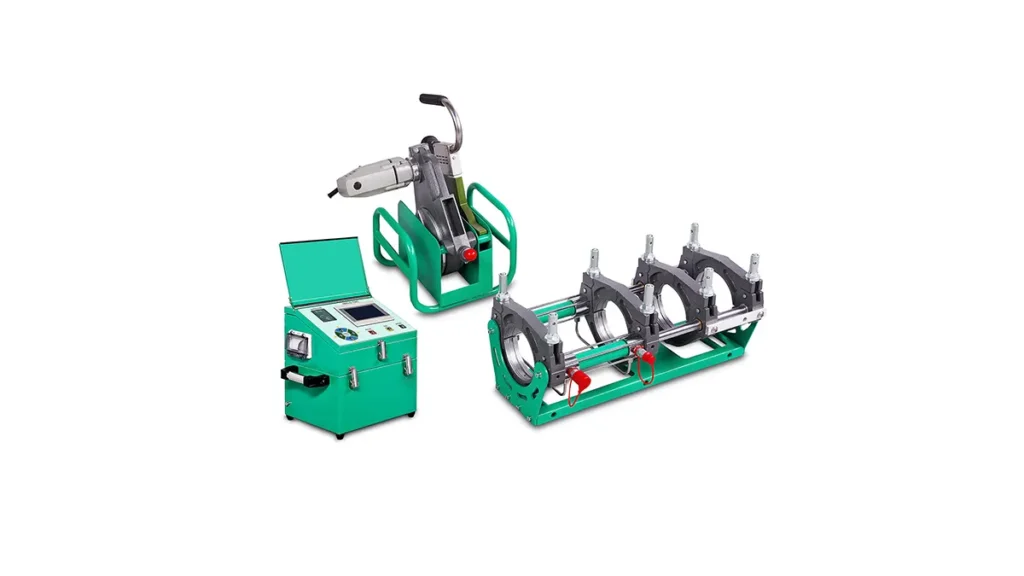
Kazakhstan’s growing pipeline network — from urban water systems in Almaty and Astana to remote oil, gas and mining corridors across the steppe — demands robust HDPE welding solutions that perform in extreme temperatures and varied terrain. The right welding machine improves joint strength, speeds installation, and lowers long-term maintenance costs for municipal and industrial projects.
Key HDPE Welding Technologies for Kazakhstan
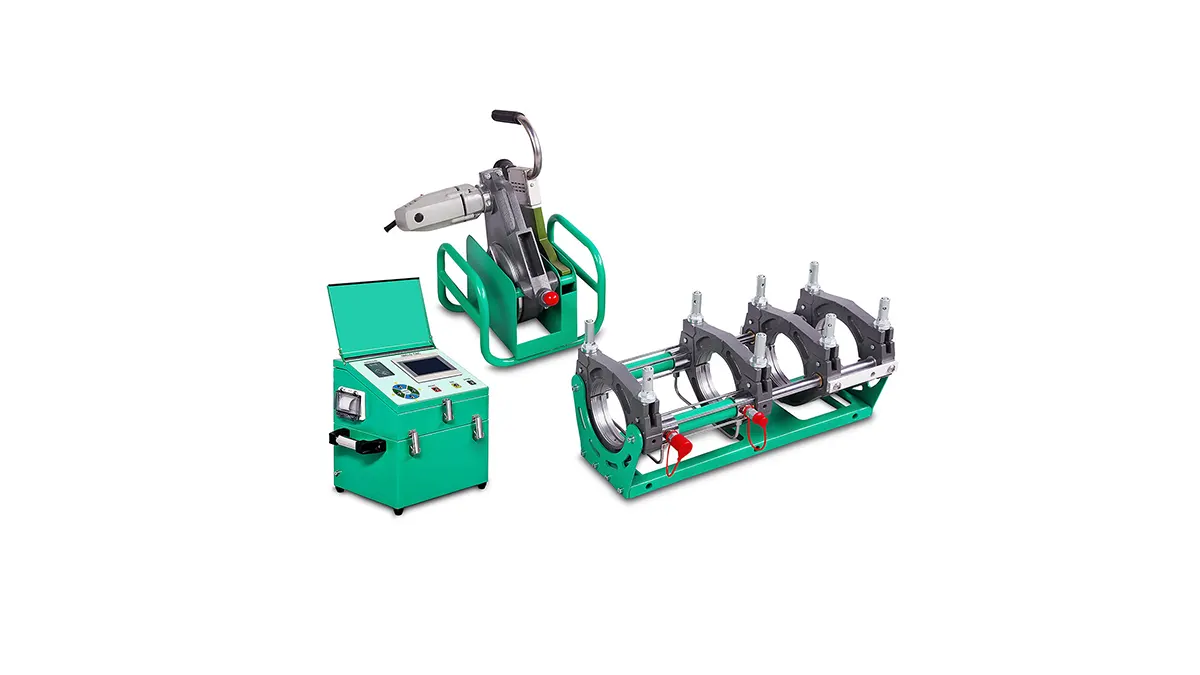
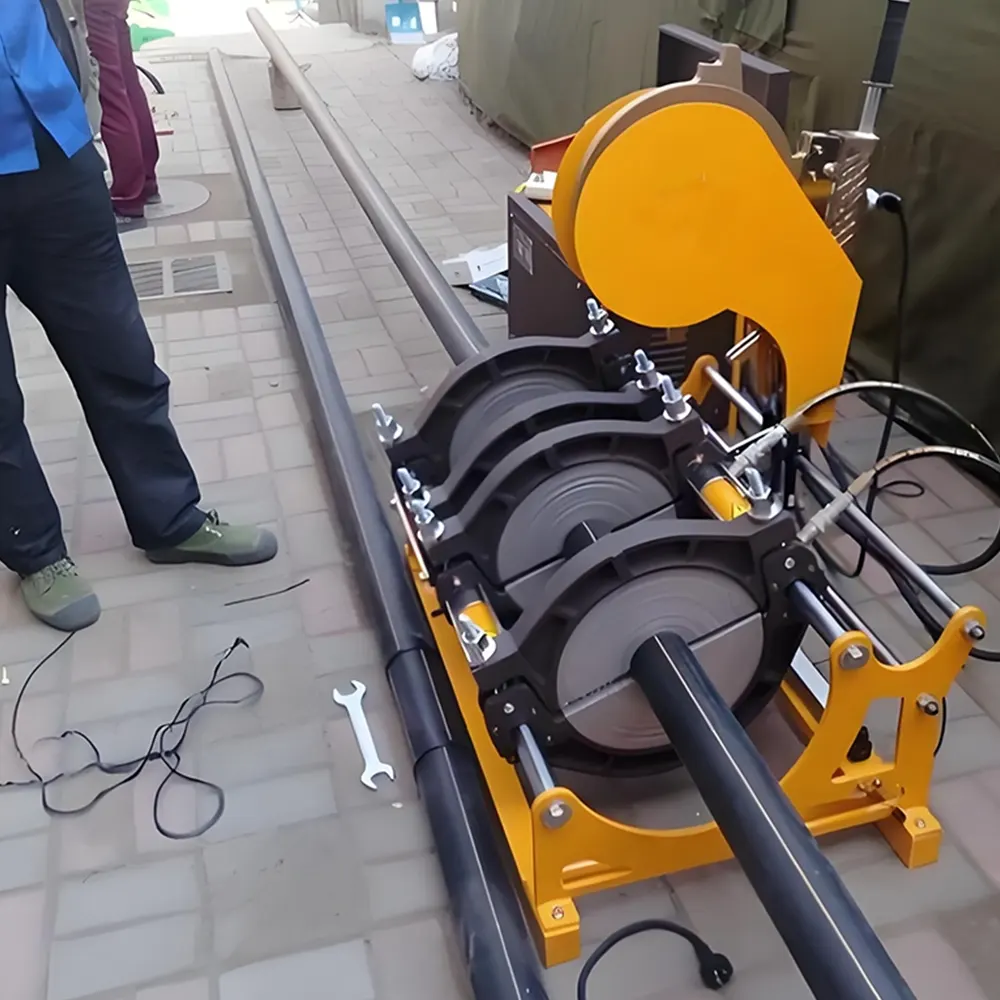
Butt fusion and electrofusion remain the most widely used joining methods for polyethylene pipes. Butt fusion machines (manual, hydraulic, and CNC automatic) offer fast, clean joints for large-diameter mains, while electrofusion units are ideal for fittings, repairs, and constrained sites in cities or remote camps.
Why Climate and Geography Matter
Kazakhstan experiences very cold winters, seasonal ground movement, and long transport distances between population centers and resource sites. Machines must deliver consistent melt control and repeatable pressure performance at sub-zero temperatures. Portability, power options (electric, diesel-driven hydraulic pumps), and robust frames are critical when working on construction sites in steppe regions or mountain access roads.
Applications Across Sectors
- Water & sanitation: long-distance polyethylene mains and rural supply lines.
- Gas distribution: secure, leak-free joints for urban feeders and remote village extensions.
- Mining & industry: heavy-duty welding for slurry lines, process piping and reclamation systems.
- Agriculture & irrigation: reliable fittings and large-diameter mains supporting steppe irrigation projects.
Choosing the Right Machine — Quick Reference
| Machine Type | Pipe Range (mm) | Best For |
|---|---|---|
| Manual Butt Fusion | 20–400 | Small crews, repairs, rural networks |
| Hydraulic Butt Fusion | 63–2000+ | Mainlines, large-diameter pipelines |
| Automatic/CNC Butt Fusion | 63–2000 | High-volume projects, consistent weld records |
| Electrofusion | 20–1200 (fittings) | Fittings, limited-access repairs |
Installation Quality & Local Standards
Kazakh projects increasingly require documented weld procedures, traceability, and third-party testing for gas and potable water applications. Operators should use machines with easy-to-read controls, digital logging (for automatic units), and reliable trimming and facing tools to meet local regulators and international contractors’ expectations.
Service, Training and Spare Parts in Kazakhstan
Choose suppliers that provide regional support, spare parts availability, and operator training tailored to Kazakhstan’s seasonal schedules. On-site commissioning and operator certification reduce downtime and help local crews deliver consistent weld quality across harsh sites.
Trusted Supplier Spotlight
JQ-Fusion offers a wide range of manual, hydraulic, and automatic butt fusion and electrofusion machines engineered for durability and repeatability, with customization options to suit Kazakhstan’s pipeline and mining environments.
Next Steps for Project Managers
Assess project scale, pipe diameter, crew experience and winter conditions before selecting equipment. Investing in automated controls for high-volume builds and a solid service plan will optimize uptime and reduce lifetime costs for pipeline infrastructure across Kazakhstan.



