
HDPE fusion machines are essential for reliable pipe welding and installation across Peru’s diverse landscapes — from coastal Lima projects to high-altitude Andean waterworks and Amazon basin pipelines. This guide explains practical solutions, machine choices, and on-site considerations to help Peruvian contractors, municipal engineers, and mining operators achieve durable, leak-free HDPE pipeline systems.
Why HDPE and Butt Fusion Suit Peru
High corrosion resistance makes HDPE ideal for coastal and saline environments near Callao and Trujillo. In Amazon regions where humidity and soil movement are common, the flexibility and chemical resistance of HDPE outperform traditional materials. For Andean high-altitude projects, HDPE’s lightweight nature reduces transport costs to remote sites.
Butt fusion welding produces homogeneous, monolithic joints with strength equal to the pipe body, ensuring long-term integrity under seismic stress and heavy loads typical in Peru’s mining and infrastructure sectors.
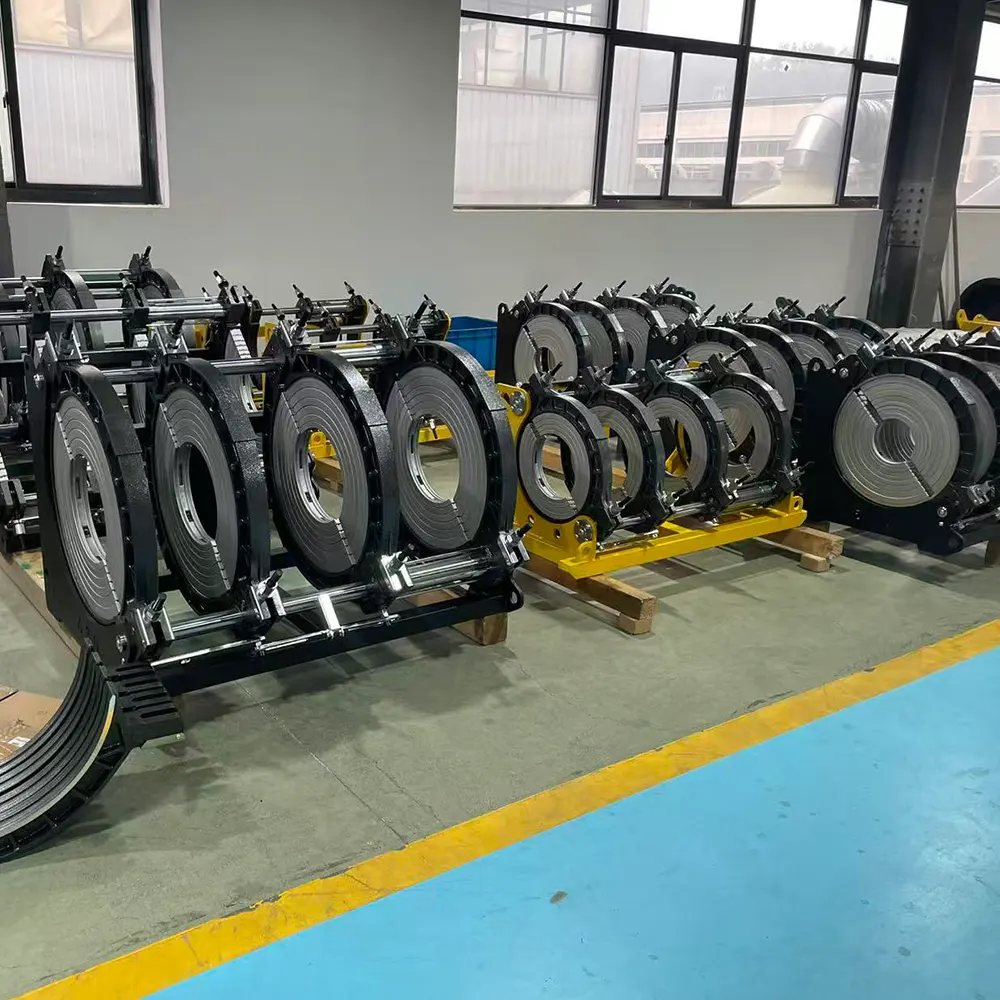
Selecting the Right Fusion Machine for Local Needs
Peruvian projects require tailored equipment choices: compact manual units for small irrigation lines, hydraulic stations for municipal water networks, and CNC automatic machines for large-diameter trunk lines in industrial or mining applications. Consider portability, power availability, and local crew skill levels when choosing machines.
Quick comparison of common types
| Machine Type | Pipe Range | Best For | Key Advantage |
|---|---|---|---|
| Manual Butt Fusion | 16–315 mm | Rural irrigation, small repairs | Lightweight, portable |
| Hydraulic Butt Fusion | 63–1600 mm | Municipal water, medium pipelines | Stable pressure control, faster cycles |
| CNC Automatic Fusion | 200–2000+ mm | Large trunklines, industrial projects | Consistent parameters, recordable welds |
Practical Considerations for Peru’s Regions
Highlands (Andes): crews face altitude, steep terrain, and cold nights. Choose machines with reliable hydraulic systems and provide operator training for cold-start procedures.
Coastal/Desert zones: UV exposure and saline air demand UV-stabilized HDPE and corrosion-resistant accessories. Portable manual units and compact hydraulic models help reduce logistics costs.
Amazon basin: waterways and soft soils require lightweight frames and modular equipment that can be transported by river. Emphasize seals and clamps that resist humid conditions and biological fouling.
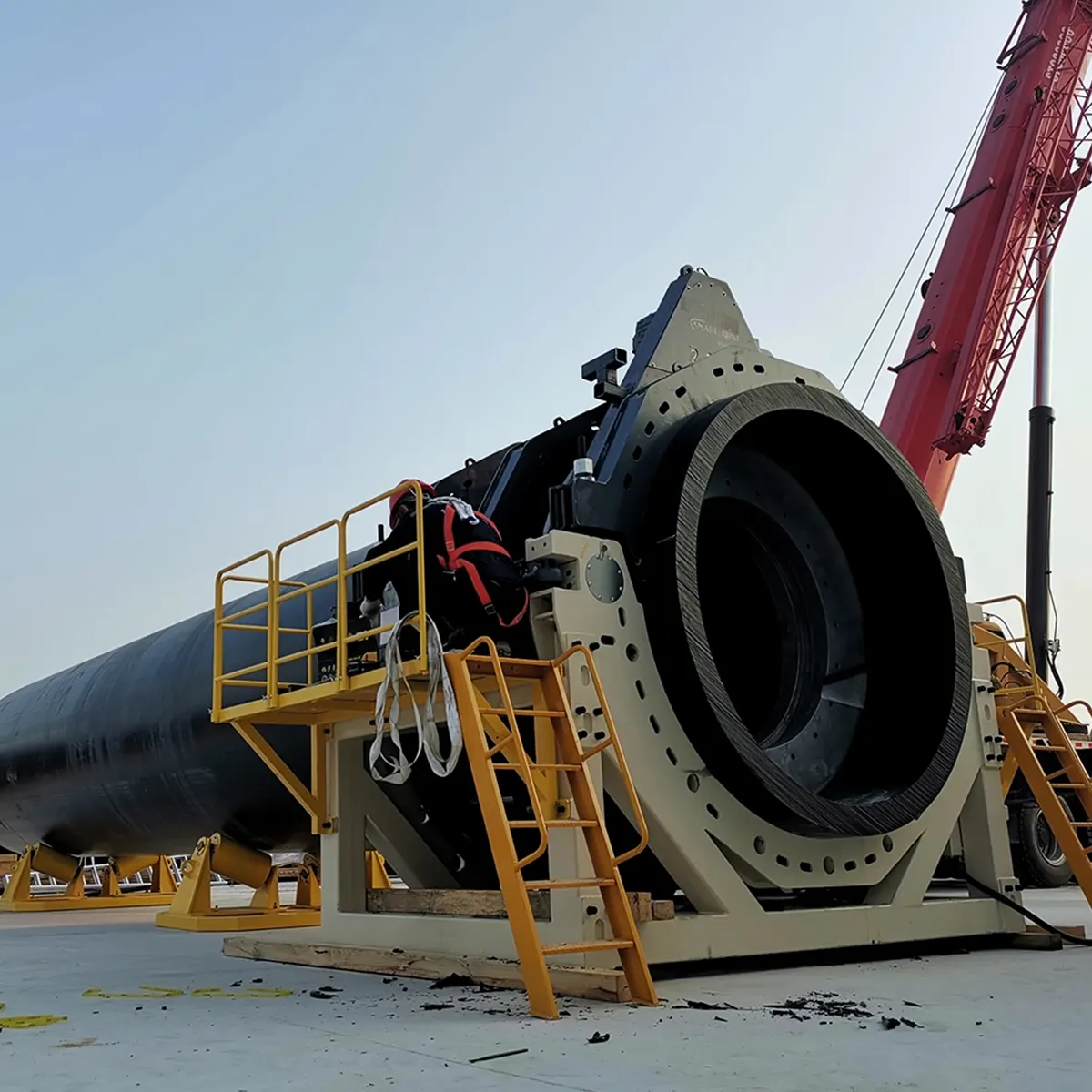
On-site tips to improve weld quality
• Always clean pipe ends and maintain recommended facing and heating times for local ambient temperatures.
• Use calibrated thermocouples and pressure gauges; adjust parameters for high-altitude pressure differences.
• Train local operators on joint alignment and handling—consistent practice reduces rework and downtime.
Service, Parts, and Training — What to Look For
Choose a supplier with clear spare parts availability, responsive technical support, and training programs tailored to Spanish-speaking crews. For repeatable results on Peruvian projects, recorded weld data and traceability from automated machines are valuable for regulatory compliance and project documentation.
Why local contractors and mines trust modern fusion equipment
Improved safety, reduced leakage, and lower lifecycle costs all stem from using the correct fusion method and well-supported machinery. Properly executed butt fusion minimizes environmental impact by preventing groundwater contamination and reducing future repair needs.
Find proven solutions
For reliable HDPE fusion machines, parts, and on-site support, consider partnering with an experienced manufacturer like JQ-Fusion to match equipment to Peru’s unique project demands.
Common FAQ
Q: Can HDPE handle Peru’s seismic activity? A: Yes — correctly fused HDPE pipelines provide flexible, resilient joints that tolerate ground movement better than brittle materials.
Q: Which machine is best for remote irrigation projects? A: Manual butt fusion machines are often preferred for small-diameter lines due to portability and low power needs.
Q: Is training provided? A: Always confirm training and documentation availability before purchase to ensure local crews can operate machines safely and effectively.



