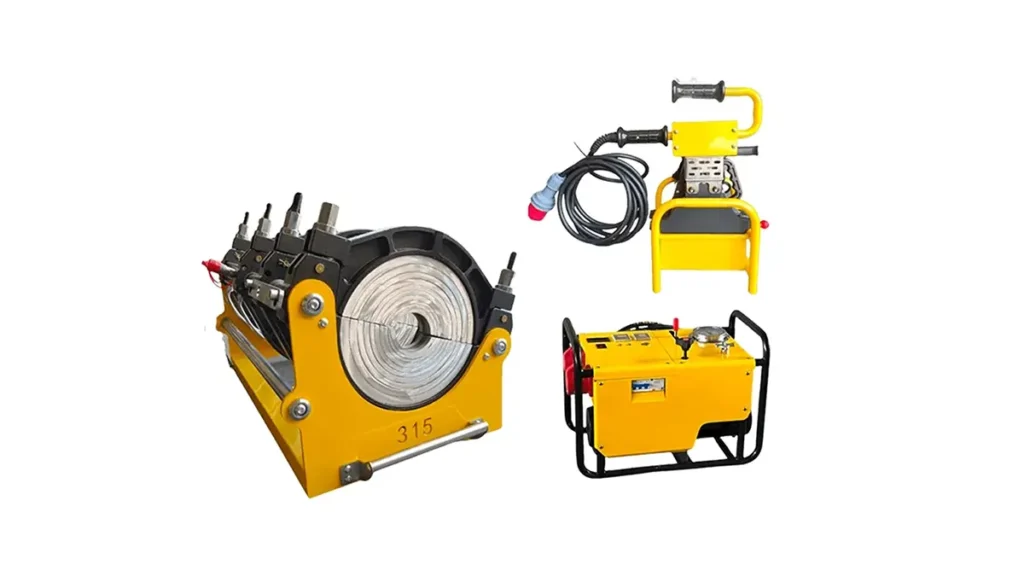
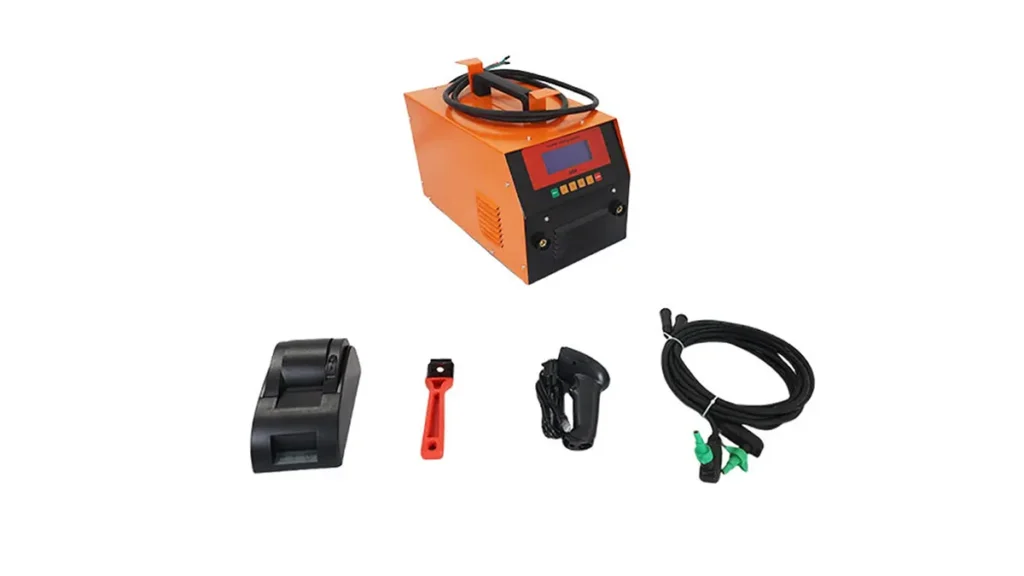
A practical, SEO-friendly operation guide for pipe construction hot melt (butt fusion) machines — designed for contractors, site supervisors, and technicians working with HDPE pipelines. This guide covers preparation, a clear step-by-step welding process, safety measures, quick troubleshooting, and routine maintenance to ensure consistent weld quality on-site.
Overview: What Is a Hot Melt (Butt Fusion) Machine?
Butt fusion or hot melt machines are used to join HDPE and other thermoplastic pipes by heating pipe ends and pressing them together. The result is a homogeneous joint with strength comparable to the base material. Typical applications include water supply, gas distribution, and industrial pipeline installations.
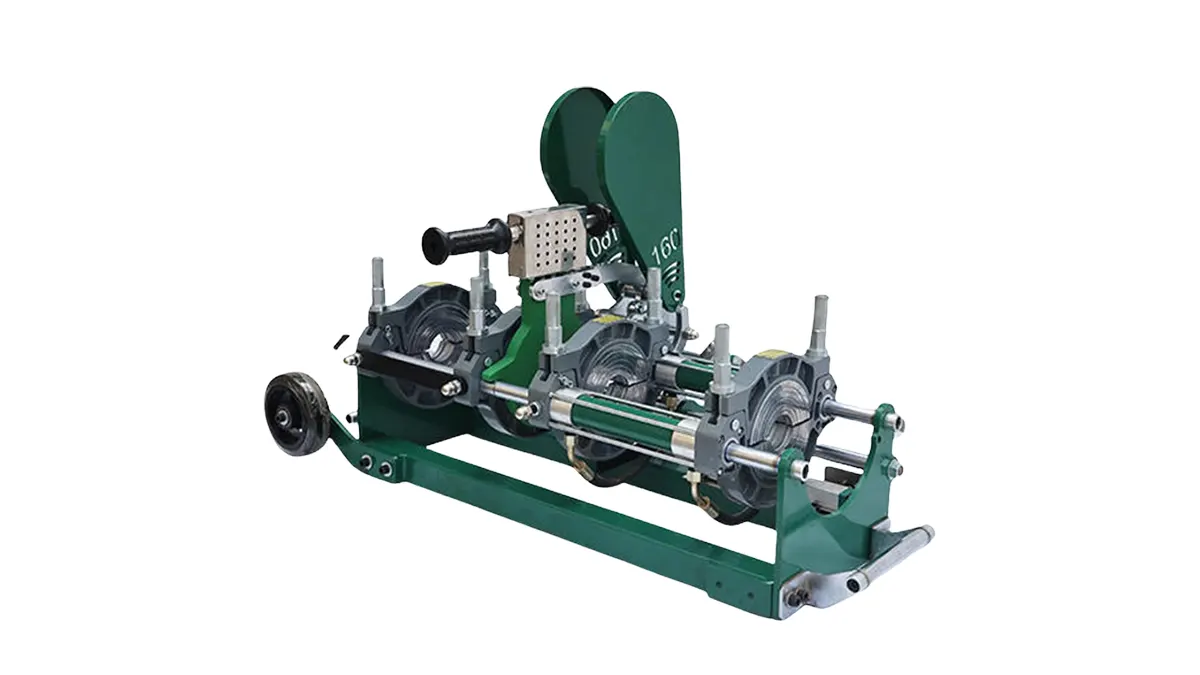
Key Components to Inspect
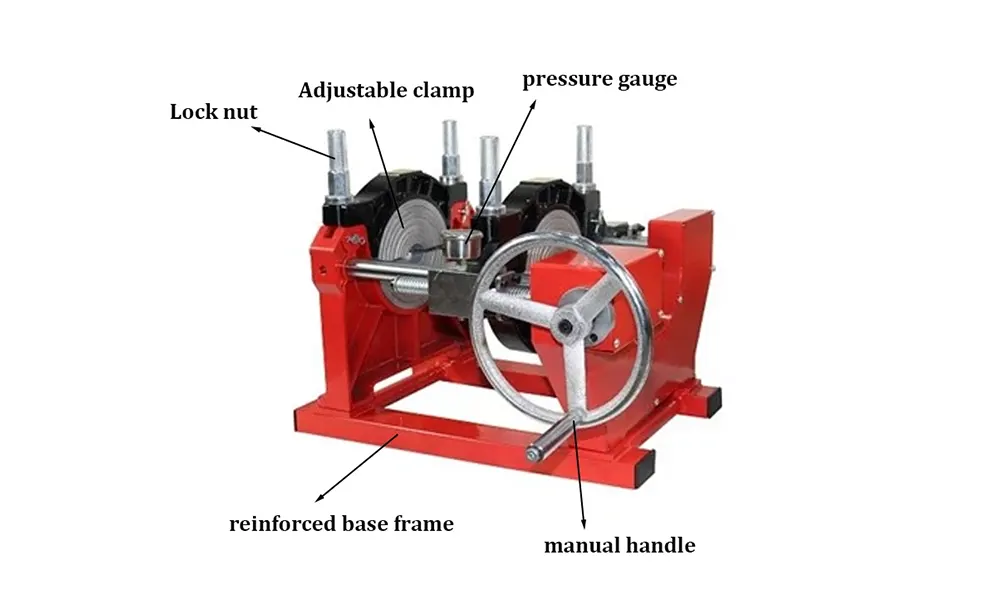
Before operation, visually and functionally inspect the machine frame, clamps, heating plate, scraper/trimmer, pressure gauges, and hydraulic system. Confirm the heating element reaches set temperature and that alignment is correct.
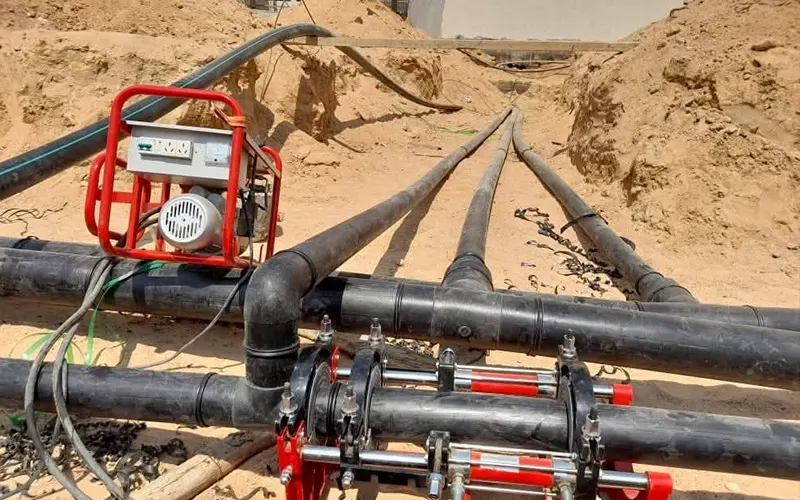
Pre-Operation Checklist
Use this checklist to reduce rework and ensure safety. Verify pipe material and SDR rating, confirm ambient conditions (avoid windy, rainy, or dusty environments that affect heating), and ensure all tools and PPE are available.
Essential PPE and Tools
Wear heat-resistant gloves, safety glasses, protective boots, and high-visibility clothing. Tools include alignment clamps, a depth gauge, beveling scraper, cleaning alcohol, and pipe supports.
Quick Reference: Typical Parameters
| Parameter | Recommended Range | Notes |
|---|---|---|
| Heating Temperature | 200–260°C | Depends on polymer grade and SDR |
| Heating Time | 30–120 sec per 25mm wall | Increase with larger diameters |
| Fusion Pressure | Defined by pipe OD & SDR | Follow pipe manufacturer’s specs |
Step-by-Step Operation Process
Follow these steps to perform a reliable butt fusion weld using a hot melt machine. Each step includes a short verification note — stop and re-check if anything appears out of tolerance.
1. Setup and Pipe Preparation
Position pipes in the clamps with proper alignment, ensuring ends are square and faces meet evenly. Use supports to maintain level alignment for large diameters. Clean pipe ends with a suitable solvent to remove dirt and grease.
2. Facing (Trimming) the Pipe Ends
Use the trimmer or scraper to remove a thin layer from each pipe end until a uniform, shiny surface is visible. Check for concentricity and consistent wall thickness after facing.
3. Heating and Plate Handling
Install the heating plate and let it reach the preset temperature. Bring pipe ends into contact with the heated plate with light pressure. Do not rotate the plate and avoid contamination on the plate surface.
4. Heating Time and Remove Plate
Hold the pipes against the heater for the calculated heating time. Once complete, withdraw the plate straight out and immediately bring pipe ends together for fusion. Avoid delays — sticking or dirt will compromise the joint.
5. Fusion and Cooling
Apply the recommended fusion pressure and maintain it for the specified cooling time. Let the joint cool under pressure; releasing early can lead to weak joints. After cooling, relieve clamps and inspect the bead.
Safety Tips and Best Practices
Safety is critical. Keep a fire extinguisher nearby, ensure hydraulic hoses and electrical cords are intact, and follow lockout procedures for maintenance. Train operators on emergency stops and safe lifting techniques for heavy pipe.
Common On-Site Hazards
Beware of hot surfaces, pinch points in clamps, tripping hazards from cables, and hydraulic fluid leaks. Use caution when working in hot climates — heat can accelerate degradation of seals and lubricants.
Troubleshooting: Typical Issues and Fixes
If a joint shows cold weld lines, excessive flash, or delamination, check: heating temperature, heating time, alignment, and cleanliness. Adjust parameters stepwise and re-test on scrap pieces before resuming production welding.
Quick Troubleshoot Table
| Problem | Likely Cause | Action |
|---|---|---|
| Cold Line / Weak Weld | Insufficient heating or pressure | Increase temperature/time, verify pressure |
| Excessive Flash | Too much pressure or overheating | Reduce pressure/time, inspect heater thermostat |
| Contaminated Joint | Dirty surfaces or heater contamination | Clean and re-trim pipe ends, replace heater cover |
Routine Maintenance
Daily: clean heating plate and clamping surfaces, inspect filters and hydraulic fluid levels. Weekly: check electrical connections, calibrate thermocouples, and lubricate moving parts. Quarterly: perform pressure tests and professional inspection as required by project standards.
Spare Parts and Consumables
Keep a stock of heater plates, scraper blades, seals, and hydraulic hoses. Using OEM or high-quality spare parts ensures consistent performance and reduces downtime.
Contact & Warranty
For tailored machines, training, or spare parts, contact JQ-Fusion via the official website. Proper training and authorised parts help protect your equipment investment and ensure compliance with site regulations.