
Buying an automatic pipe welding machine in Iceland requires more than comparing prices. Contractors, utility companies, and municipal teams must consider harsh weather, remote job sites, and strict traceability for water, gas, and geothermal pipelines. This guide helps Icelandic buyers identify the right machine maker, evaluate technical specs, and secure reliable after-sales support so projects run smoothly from Reykjavík to the Westfjords.
Why the right automatic pipe welding machine maker matters in Iceland
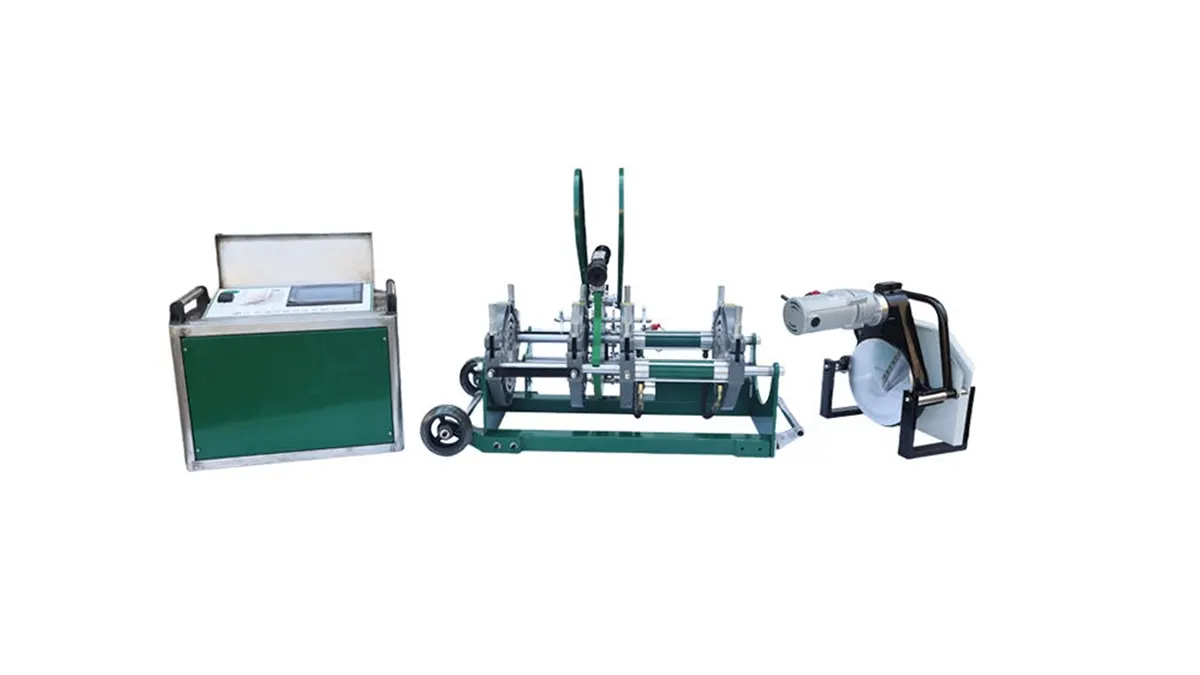
Automatic butt fusion and CNC-controlled welding systems deliver consistent joints and time savings — critical where labor costs and downtime are high. Choosing a reputable maker affects weld quality, warranty fulfillment, spare parts access, and the availability of certified welding data for regulatory compliance. In Iceland, where pipeline systems often serve remote communities, reliability and speedy technical support are essential.
Essential manufacturer credentials
- Experience — Look for makers with a proven track record in HDPE butt fusion and automatic systems that cover the pipe diameters you use most (small distribution lines up to large-diameter mains).
- Certifications — CE, ISO 9001, and compliance with EN standards for welding equipment help ensure consistent quality and safe operation on Icelandic projects.
- Test reports & traceability — Automatic machines that log welding parameters (temperature, pressure, time, force) provide documentation for acceptance testing and audits.
- After-sales & spare parts — Local distributors or fast global shipping for spare kits reduce downtime in remote areas.
Technical features to prioritize
- Automation & control: CNC or PLC interfaces with clear data export (CSV/PDF) make project reporting easy.
- Heating plate quality: Even heating and quick warm-up reduce rework and improve fusion bead consistency.
- Clamping & alignment: Robust clamps and adjustable frames ensure concentricity — vital for pressure-bearing lines.
- Cold-climate readiness: Machines and hydraulic fluids that operate reliably below freezing avoid field delays.
- Power compatibility: Confirm voltage and phase options (e.g., 230V / 400V) and available generators for remote sites.
Quick comparison: Manual vs Hydraulic vs Automatic
| Machine Type | Best For | Typical Pipe Sizes | Pros | Cons |
|---|---|---|---|---|
| Manual Butt Fusion | Small jobs, tight budgets | 20–160 mm | Simple, low cost | Operator-dependent quality |
| Hydraulic Machines | Medium to large pipelines | 110–1000+ mm | High clamping force, stable | Heavier, needs maintenance |
| Automatic / CNC | Large projects, traceability | 160–1000+ mm | Data logging, repeatable results | Higher upfront cost |
Key questions to ask any pipe welding machine maker
- Can you provide reference projects or clients in Icelandic or Nordic climates?
- Do your automatic machines export weld logs in standard formats for QA?
- What is your spare parts lead time to Iceland and do you keep common kits in regional warehouses?
- Are service engineers available for on-site commissioning and operator training?
- What warranty terms, consumable lifetimes, and maintenance schedules do you offer?
- Can the machine be adapted for geothermal/district-heating temperatures and thicker-walled PE pipes?
Iceland-specific buying tips
- Cold-weather operation: Ask about low-temperature hydraulic fluids, pre-heating accessories, and protective covers for electronics.
- Transport & logistics: Factor in ferry schedules, winter road access, and customs/VAT when calculating lead times and final cost.
- Project types: For geothermal and district heating systems, ensure the machine can handle thicker walls and offers documented PE fusion cycles for elevated service temperatures.
- Local partnerships: Prefer makers that provide regional service partners or remote diagnostic support to minimize downtime in remote Icelandic locations.
- Regulatory compliance: Verify conformity with EN, ISO, and local acceptance criteria for municipal and utility contracts in Iceland.
Procurement checklist (print or copy)
- Request welding test reports and sample weld logs.
- Confirm spare parts list and delivery time to Reykjavík.
- Schedule on-site training and machine FAT (Factory Acceptance Test).
- Include warranty, consumables, and preventive maintenance in the contract.
- Verify transport packaging and handling for winter deliveries.
Evaluating quotes: beyond purchase price
Compare total cost of ownership: machine reliability, consumables, spare parts availability, training hours, and expected uptime. A slightly higher upfront price can pay off if it reduces rework and site delays on critical Icelandic infrastructure projects.
Final recommendation
Prioritize makers that combine proven automatic welding technology, clear data logging, and robust cold-climate support. Check references for work in Nordic conditions and secure a service agreement that covers remote commissioning and spare-part delivery. For a reliable manufacturer of HDPE butt fusion and automatic butt fusion welding machines, consider reviewing options from JQ-Fusion (https://jq-fusionwelding.com/).



