
HDPE pipe welding machines are essential for building durable water supply, irrigation, and gas distribution networks across Rwanda’s diverse landscapes. Reliable butt fusion equipment ensures secure joins that withstand hilly terrain, seasonal rains, and long-term use.
Reliable HDPE Pipe Welding Solutions for Rwanda
The growing pace of infrastructure development in Rwanda — from urban projects in Kigali to rural irrigation schemes in the Eastern Province — demands welding machines that deliver consistent, high-strength joints. Selecting the right equipment reduces leak risks, speeds installation, and lowers lifetime maintenance costs for pipelines made from HDPE, PE100, and related thermoplastics.
Key Benefits of Using Professional Butt Fusion Machines
Durability: Proper fusion produces homogeneous joints that match or exceed pipe strength, critical for water and gas networks.
Portability: Compact manual and hydraulic units enable fieldwork across Rwanda’s remote and steep sites where access is limited.
Consistency: CNC and automatic machines ensure repeatable welding parameters for large projects and contractor teams working to strict standards.
Common Machine Types Suitable for Rwandan Projects
Manual butt fusion machines: Best for small-diameter repairs and village-level pipeline installations due to low cost and simple maintenance.
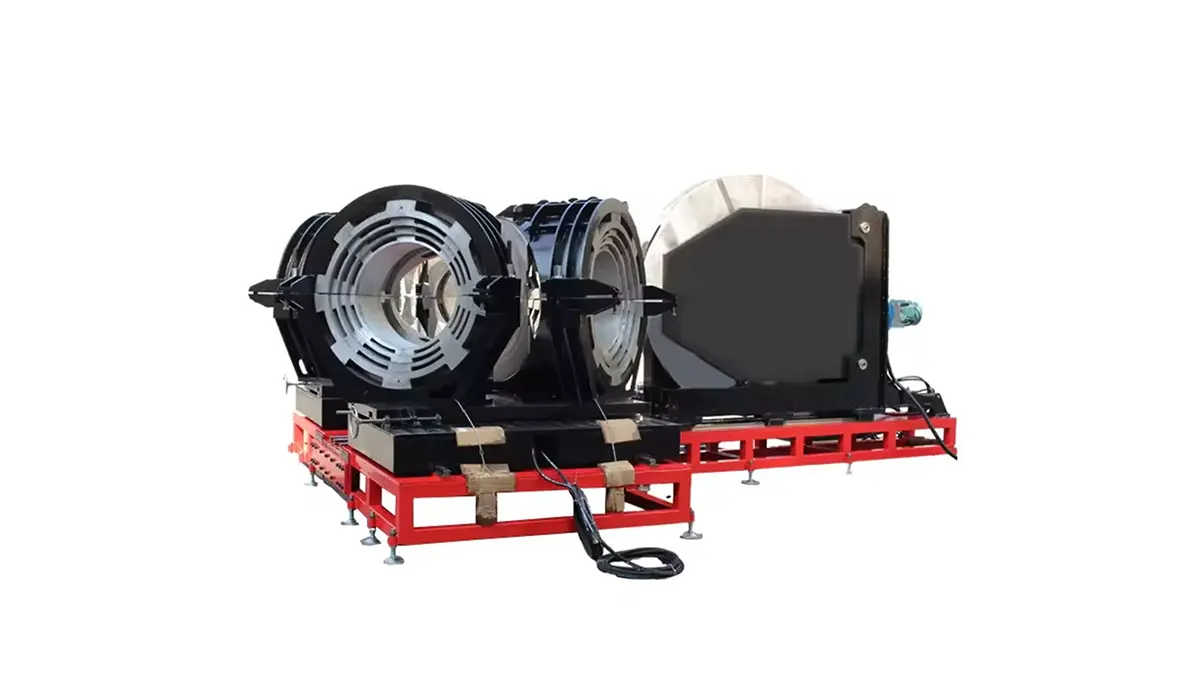
Hydraulic butt fusion machines: Offer higher force control for medium to large-diameter pipes used in municipal water mains and larger irrigation lines.
Automatic/CNC butt fusion machines: Ideal for contractors handling long pipeline runs and critical gas or industrial systems that require traceable weld records.
Multi-angle fitting welding machines: Useful where pipeline networks include tees and complex fittings, common in urban utility grids.
Quick Technical Comparison
| Model Category | Pipe Range | Control Type | Best For |
|---|---|---|---|
| Manual | 16mm–315mm | Manual | Small repairs, remote sites |
| Hydraulic | 63mm–1200mm+ | Hydraulic | Municipal mains, irrigation systems |
| Automatic / CNC | 63mm–630mm+ | Digital/CNC | Large projects, traceable weld records |
Why Quality Pipe Joining Matters in Rwanda
Rwanda’s steep hills and varying soil types make leak prevention and joint integrity essential. Water utilities and contractors need fusion equipment that performs reliably under on-site conditions, including variable power access and transport challenges. High-quality butt fusion reduces rework, protects groundwater, and supports long-term utility resilience.
Supplier & After-Sales Considerations for Rwanda
When sourcing machines for projects in Rwanda, prioritize suppliers that provide clear shipping support, spare parts availability, and training resources. Guaranteeing calibration and local-compatible power options will minimize downtime during critical installation windows. For tailored solutions and a broad product range that covers manual, hydraulic, and automatic butt fusion machines, consider the manufacturer profile at https://jq-fusionwelding.com/
Operator Training and Safety
Investing in operator training ensures weld quality and on-site safety. Training should cover correct clamping, facing, heating, fusion pressures, and documentation for quality assurance. Proper PPE and safe handling of hydraulic units are essential for field teams working on steep or remote pipeline routes.
Quick Buying Checklist
Project scope: Confirm pipe sizes, daily weld targets, and site conditions.
Power & transport: Verify power sources (generator compatibility) and machine portability.
Spare parts & service: Ask about consumables, heater plates, and response times for technical support.
Documentation: Ensure the machine can produce weld logs or is compatible with QA procedures required by local authorities.
Choosing the right HDPE welding equipment makes a measurable difference in the lifetime performance of Rwanda’s pipelines. Select machines that match your project scale, prioritize operator training, and secure reliable after-sales support to keep networks flowing smoothly.



