
Electrofusion welding has become a trusted method for joining HDPE pipes across Zimbabwe’s water supply, irrigation and mining sectors. Contractors, municipal engineers and rural installers are choosing electrofusion welders for leak-free, long-lasting joints that perform well under the country’s varied climates and rugged field environments.
Why Electrofusion Welders Are Ideal for Zimbabwe Projects
Reliability: Electrofusion creates joints that resist corrosion and soil movement — essential for Zimbabwe’s expanding potable water networks and mine tailings conveyance systems. Ease of use: Many welders are portable and suited for remote sites where skilled labor is variable.
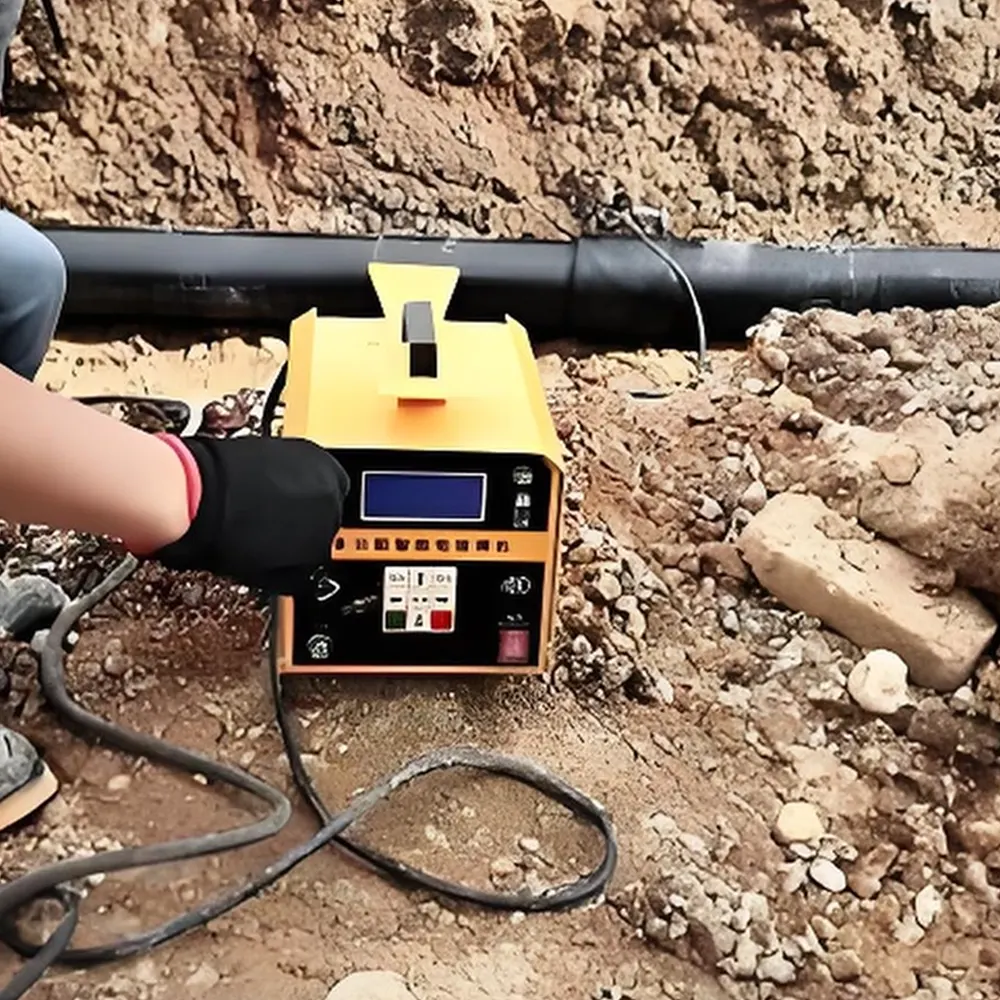
Common Applications in Zimbabwe
– Municipal water distribution and rehabilitation projects
– Smallholder irrigation systems and rural potable water connections
– Gas distribution and industrial HDPE piping at mining sites
– Trenchless repairs and pipeline extension works in urban and peri-urban areas
Electrofusion Welder Types Suitable for Local Needs
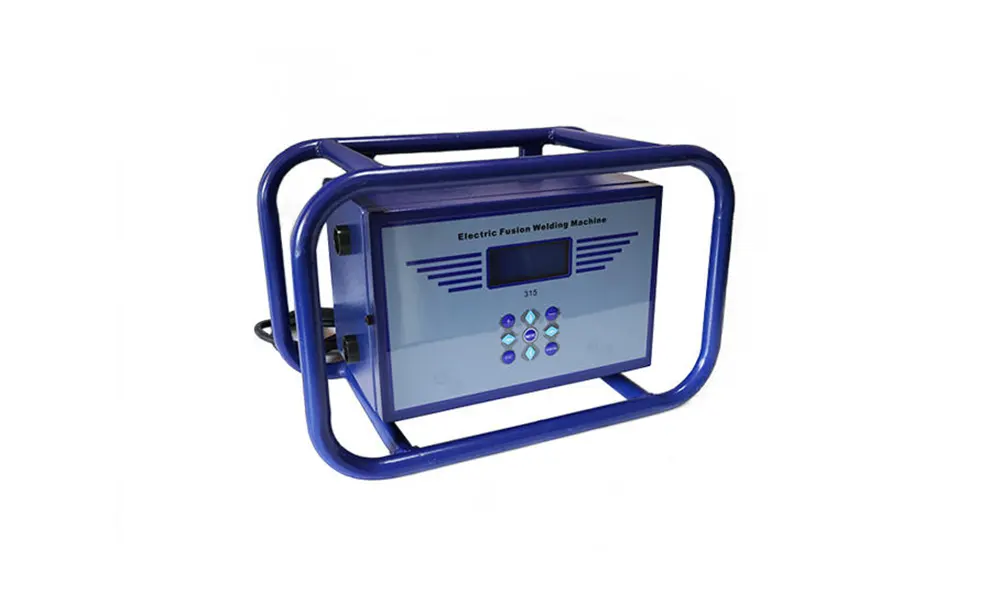
Portable units: Lightweight, battery-powered models for remote field teams. Bench or workshop units: Higher-capacity welders for prefabrication yards used by contractors in Harare, Bulawayo and Mutare. Digital controllers: Provide welding data logs and consistent results required by large infrastructure projects.
Key Benefits for Zimbabwean Contractors
– Reduced joint failure risk in corrosive soils and harsh weather
– Faster on-site installation versus mechanical fittings
– Minimal excavation for repairs—important in dense urban areas
– Traceable weld records for long-term project accountability
Technical Snapshot
| Model | Pipe Range | Power | Max Current | Weight |
|---|---|---|---|---|
| Portable EF-160 | 20–160 mm | Battery / 230V | 80A | 6 kg |
| Workshop EF-500 | 50–500 mm | 230V / 400V | 450A | 38 kg |
| Automatic EF-1000 | 90–1000 mm | 400V | 1200A | 120 kg |
Training, Installation & Local Considerations
Proper training is critical. For Zimbabwean teams, focus training on electrofusion code compliance, correct surface preparation (cleaning and scraping), and environmental considerations such as dust and temperature. Portable screening tents help maintain clean weld areas during the dry season; ventilated shelters are useful where smoke or fumes are a concern.
Maintenance and Spare Parts
Choose suppliers who provide replacement heating strips, harnesses and control modules. Regular calibration of digital welders ensures quality — particularly for large municipal contracts where documentation of welding parameters is required.
Procurement Tips for Zimbabwe Buyers
– Verify welding range and portability for your site conditions.
– Confirm local technical support or remote troubleshooting capability.
– Ask for sample weld logs and references from similar regional projects.
– Ensure warranty terms and availability of consumables.
About JQ-Fusion
JQ-Fusion is a professional manufacturer specializing in HDPE pipe welding machines, providing reliable butt fusion solutions for global infrastructure projects. With years of industry experience, they develop manual, hydraulic, and CNC automatic butt fusion welding machines covering a wide range of pipe sizes. Their products support water supply, gas distribution, mining and industrial pipeline systems, backed by advanced manufacturing, strict quality control and responsive service. Visit https://jq-fusionwelding.com/ for product details.
Next Steps
If you are planning a water network, irrigation expansion or pipeline rehabilitation in Zimbabwe, select an electrofusion welder that matches your pipe diameters, site accessibility and documentation needs. Prioritize reliable support, consumable availability and operator training to achieve leak-free, long-lasting joints across your projects.



