
Choosing the right PE pipe welding equipment starts with understanding cost, capability, and long-term value. This guide breaks down how much PE pipe fusion equipment costs, what affects pricing, and how to select the best machine for your projects — from small repair jobs to large infrastructure installations.
Overview: Types of PE Pipe Fusion Equipment
PE pipe fusion equipment generally falls into three categories: manual (bench/portable), hydraulic, and CNC automatic butt fusion machines. Each serves different applications and budgets — knowing the differences helps you estimate realistic prices and lifecycle costs.
Manual Butt Fusion Machines
Ideal for small contractors, maintenance teams, and remote work. Manual units are portable, simple to operate, and provide reliable joints for smaller diameter pipes. They require more operator skill and time than hydraulic or automatic machines.
Hydraulic Butt Fusion Machines
Designed for medium to large diameter pipes used in water, gas, and industrial pipelines. These machines deliver more consistent pressure control, faster cycle times, and can be used on-site for construction projects where higher throughput is needed.
Automatic / CNC Butt Fusion Machines
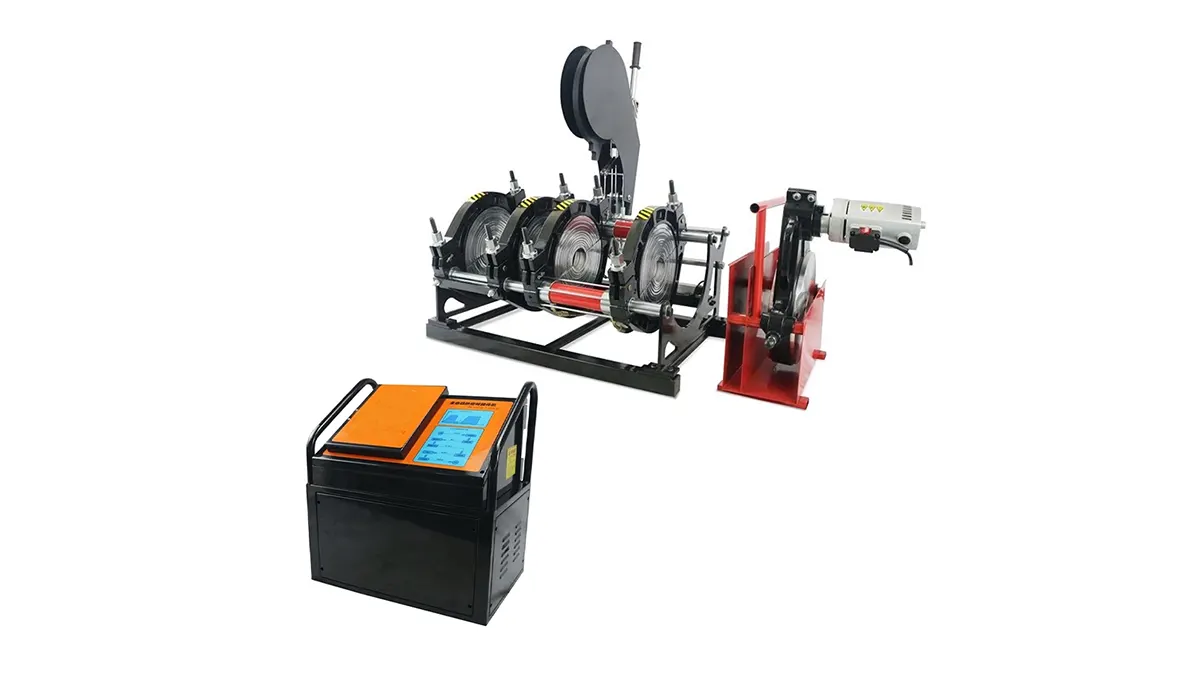
High-end solutions with programmable parameters, data logging, and automated sequences. Best for contractors and fabricators focused on productivity, traceability, and repeatable weld quality on larger projects.
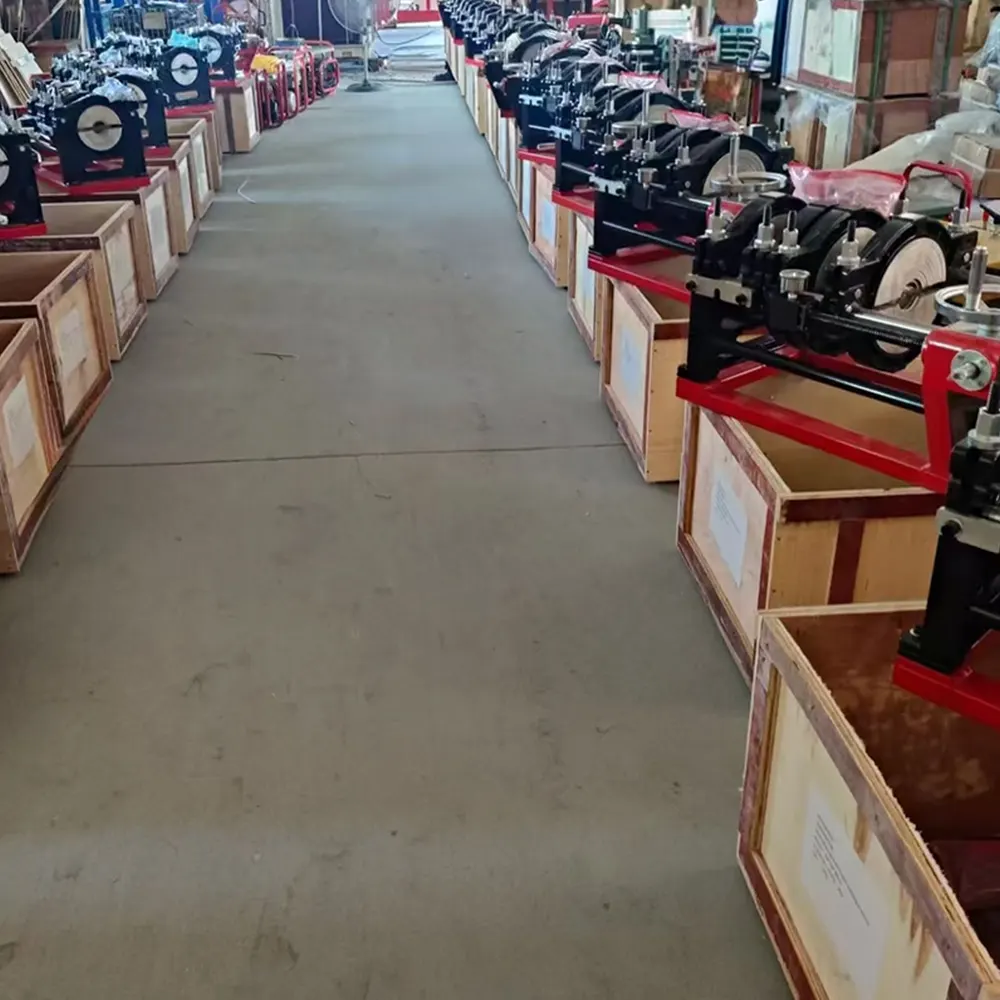
Typical Price Ranges (2026 Market Snapshot)
Prices vary by brand, capacity, and included accessories. Below is a typical market range to help you budget and compare quotes.
| Equipment Type | Typical Price Range (USD) | Typical Applications |
|---|---|---|
| Manual / Portable (20–160mm) | $800 – $6,000 | Repair, small-diameter installations, rural works |
| Hydraulic (160–800mm) | $6,000 – $40,000 | Municipal pipelines, gas distribution, mid-scale projects |
| Automatic / CNC (63–1250mm+) | $25,000 – $200,000+ | Large-diameter fabrication yards, high-volume contractors |
Key Factors That Drive Cost
Several variables influence the final price of PE pipe fusion equipment. Consider these to avoid surprises when purchasing.
- Pipe diameter range: Machines that accommodate large diameters are more complex and costlier.
- Automation level: CNC controls, touchscreen interfaces, and data-logging features increase price but improve consistency and traceability.
- Hydraulic power & build quality: Heavy-duty components, corrosion-resistant finishes, and branded hydraulics raise upfront cost but extend service life.
- Accessories & tooling: Clamps, heating plates, trimming tools, and transport cases can add several hundred to several thousand dollars.
- Warranty & support: Extended warranties and local service networks add value and may justify a higher purchase price.
How to Compare Value — Not Just Price
Buying the cheapest machine often leads to higher operational costs. Evaluate total cost of ownership by factoring in:
Operational Efficiency
Cycle times and ease of alignment reduce labor hours. Faster, more accurate machines can lower project labor costs significantly.
Spare Parts & Consumables
Availability and price of heating elements, clamps, and hydraulic components vary. Standardized parts reduce downtime on global projects.
Training & Certification
Operator training ensures weld quality and reduces rejects. Some manufacturers include training packages or onsite commissioning.
Shipping, Installation & Warranty Considerations
When budgeting, add shipping, customs, and installation costs. For international buyers, local duties and import handling can add 5–20% to the purchase price. Choose machines with a clear warranty policy and accessible spare parts supply to lower lifecycle risk.
Return on Investment (ROI) Examples
Simple ROI calculations help justify investment in higher-quality machines:
- Small contractor: Upgrading from a basic manual unit to a top-tier manual model can cut weld time by 20–30%, paying back within months on frequent jobs.
- Utility contractor: Investing in a hydraulic or automatic system increases throughput and reduces rework, often paying for itself across a single medium-scale project.
Purchasing Tips
Follow these steps to make a smart procurement decision:
- Define your typical pipe range and production targets first.
- Request demos or videos of machines welding similar pipe sizes.
- Ask for references and service network details in your region.
- Compare quotes including accessories, training, shipping, and spare parts pack.
Warranty & After-Sales
Confirm warranty length, what is covered, and the process for warranty claims. Local support and spare parts availability are critical for minimizing downtime on projects.
Frequently Asked Questions
Can I rent a PE fusion machine instead of buying?
Yes. Rental is common for short-term projects. Renting lowers upfront cost but may be more expensive long-term if you run many projects annually.
How long do these machines typically last?
With proper maintenance, hydraulic and automatic machines can serve 10+ years. Regular servicing and replacing wear parts extend life and keep weld quality high.
Need a Reliable Manufacturer?
For dependable butt fusion equipment and tailored solutions, consider contacting JQ-Fusion for product details, pricing, and support options that match your project scale and region.



