
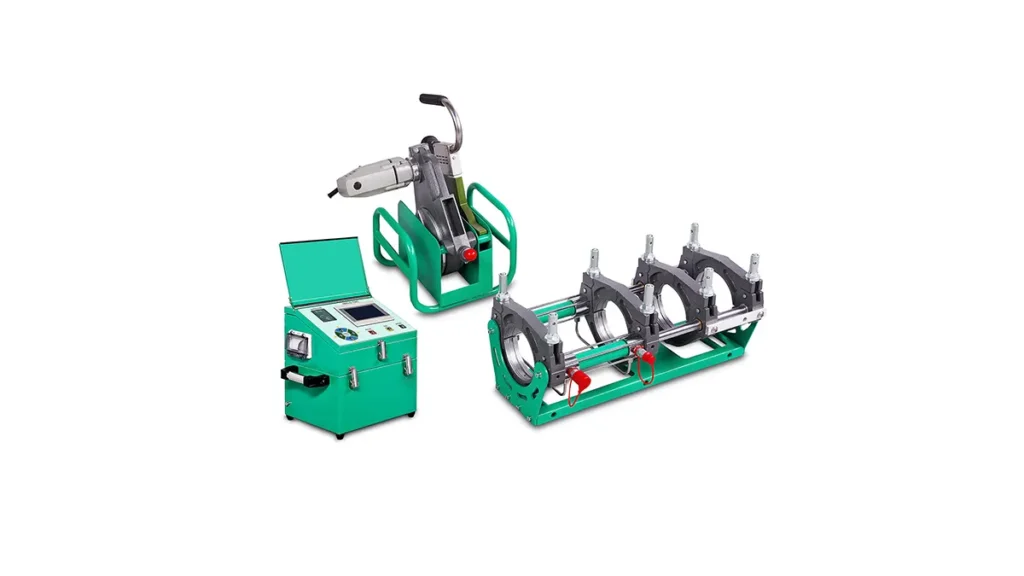
High-density polyethylene (HDPE) pipe welding has become the standard for long-lasting, leak-free pipeline installations. Whether you’re working on municipal water systems, gas distribution, mining operations, or industrial piping, the right fusion equipment ensures consistent joints, greater uptime, and lower long-term costs.
Why Choose Butt Fusion for HDPE Pipe Joining?
Butt fusion welding creates homogeneous, permanent joints that match the strength of the pipe itself. Compared to mechanical fittings or adhesives, butt fusion eliminates potential leak points and provides superior resistance to corrosion, pressure cycling, and ground movement. For contractors and engineers focused on reliability and lifecycle cost, butt fusion is a preferred method.
Key Benefits at a Glance
Efficiency: Faster on-site joint production with reduced rework. Durability: Joints with long service lives and minimal maintenance. Safety: Controlled heating and precise parameters reduce operator error.
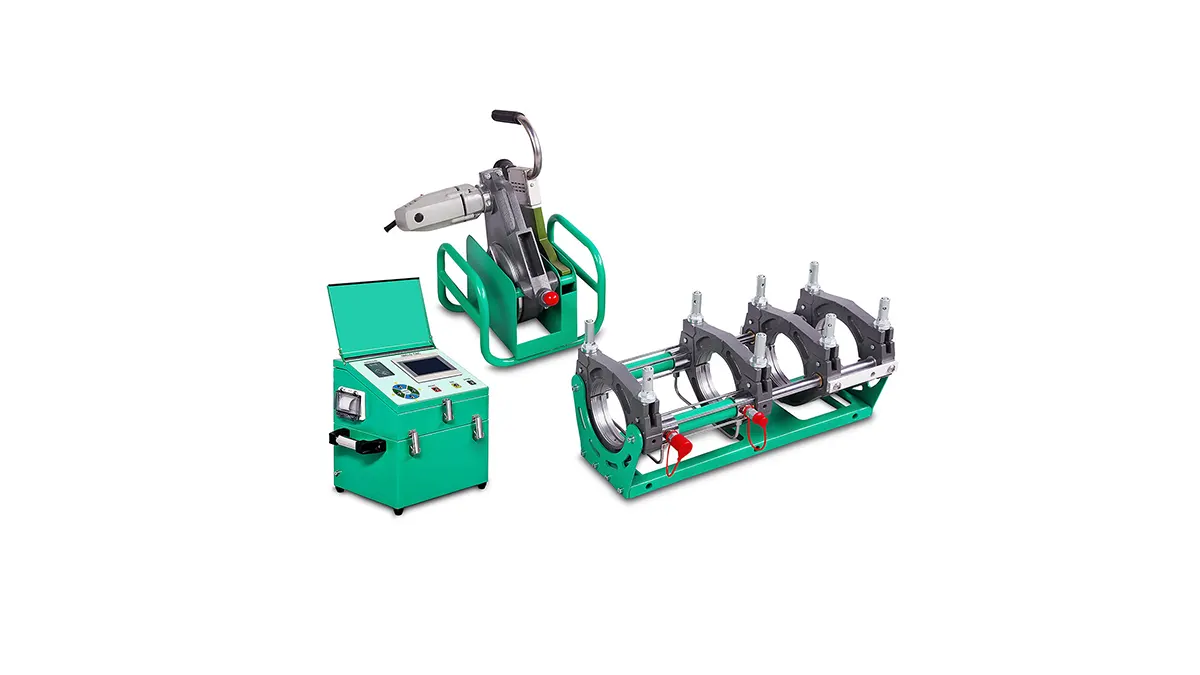
Types of HDPE Pipe Fusion Equipment
Selecting the correct fusion equipment depends on pipe diameter, project scale, and operator proficiency. The main categories include manual, hydraulic, and CNC automatic butt fusion machines, plus electrofusion systems for fittings.
| Equipment Type | Common Pipe Range | Best For |
|---|---|---|
| Manual Butt Fusion | 20 mm – 315 mm | Small repair jobs, low-volume installs, training |
| Hydraulic Butt Fusion | 63 mm – 2250 mm | Medium to large pipelines, construction sites |
| CNC Automatic Fusion | 63 mm – 1600 mm | High-volume production, precision-critical projects |
| Electrofusion Units | Fittings for 16 mm – 630 mm | Service connections, branch fittings, tight access areas |
Featured Features to Look For
Accurate temperature control, aligned clamps, strong heating plates, and clear operator interfaces are essential. For automated systems, integrated traceable logging and programmable welding cycles improve quality control and documentation for compliance with industry standards.
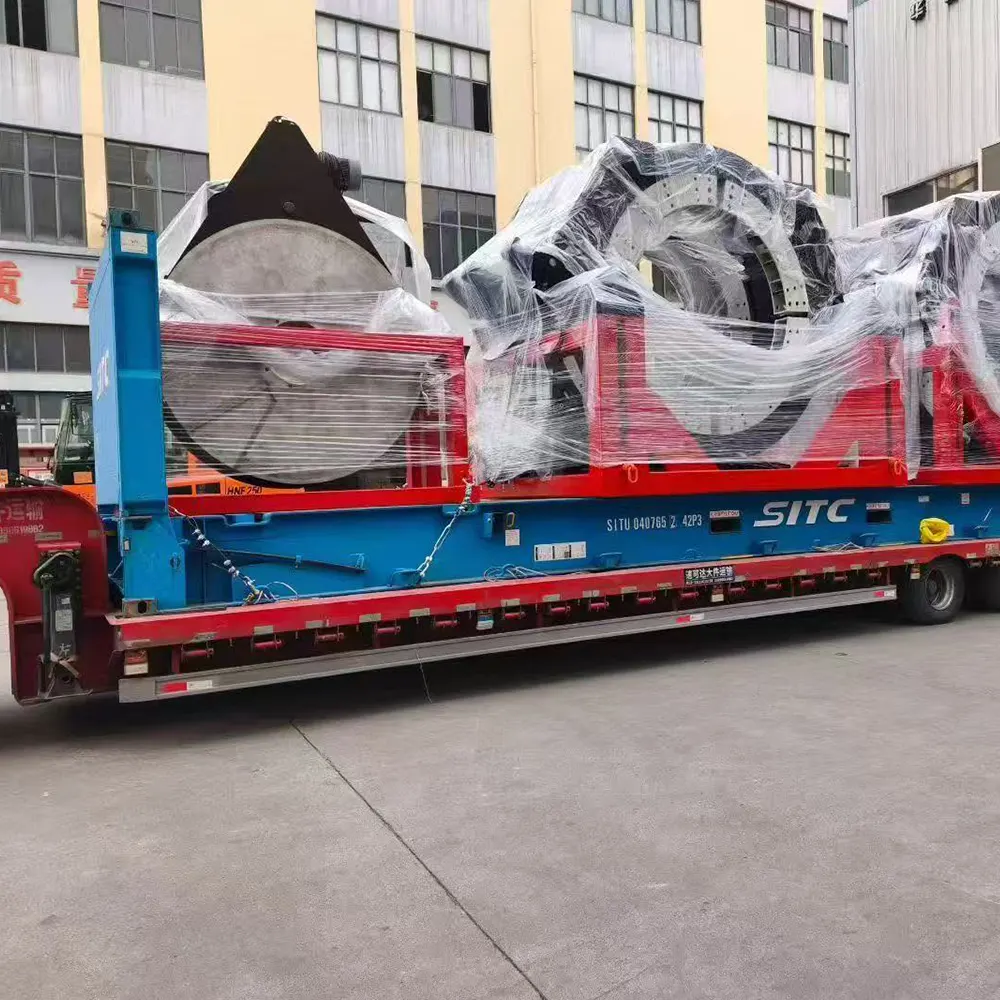
Applications Across Industries
HDPE butt fusion equipment supports a wide variety of sectors:
- Municipal Water Networks: Long-term, corrosion-free pipelines for potable and non-potable water.
- Gas Distribution: Leak-proof joints meeting regulatory safety requirements.
- Mining & Industrial: Abrasion and chemical resistance for harsh environments.
- Agriculture & Irrigation: Flexible, durable systems for large-scale irrigation grids.
Selecting the Right Machine for Your Project
Consider pipe diameter, daily joint output, site accessibility, and operator skill. For major pipeline contractors, hydraulic or CNC automatic fusion machines provide the speed and consistency needed for large-scale projects. For service teams or installers working in tight spaces, portable manual or electrofusion equipment may be ideal.
Maintenance & Operator Training
Routine maintenance—cleaning heating plates, calibrating temperature controls, and inspecting clamps—prolongs tool life and maintains joint quality. Equally important is operator certification and adherence to welding procedures for repeatable weld strength.
Quality, Compliance, and Support
Reliable manufacturers design fusion machines to meet international welding standards and offer parts, calibration, and service support. Investing in documented process controls and traceability reduces risk and streamlines approvals.
About JQ-Fusion
JQ-Fusion is a professional manufacturer specializing in HDPE pipe welding machines, offering manual, hydraulic, and CNC automatic butt fusion solutions for global infrastructure projects. Their equipment covers small to very large diameters and is commonly used in water, gas, mining, and industrial pipeline systems.
Getting Started
When planning a pipeline project, match the fusion equipment to your pipe sizes and expected throughput. Request weld procedure specifications, sample weld records, and service options from suppliers to ensure consistent, compliant joints on every project.



