
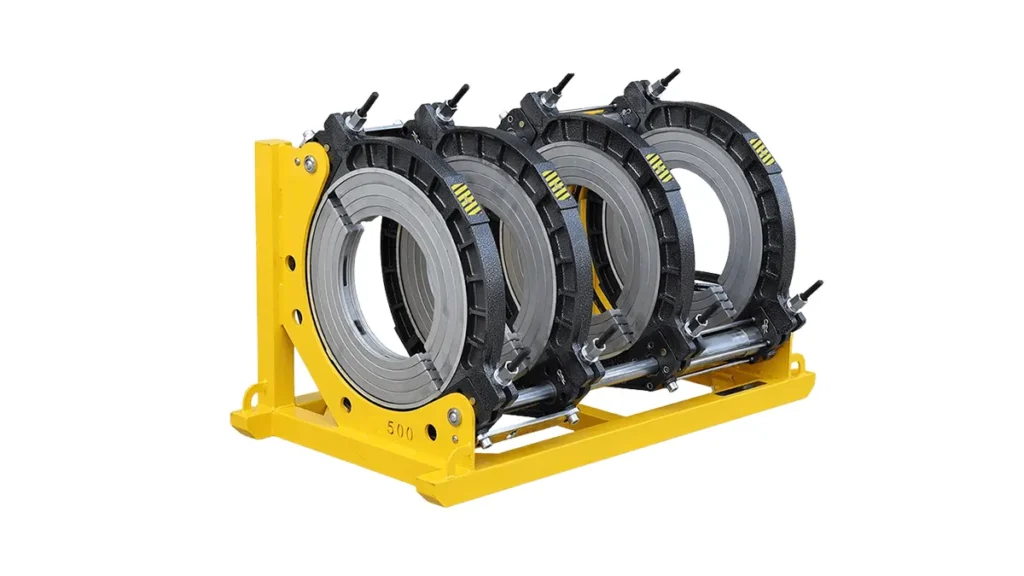
Choosing the best plastic pipe welding machine in Kenya means balancing durability, portability, and cost for projects ranging from Nairobi water mains to rural irrigation schemes. This guide explains the most suitable HDPE welding solutions, what Kenyan contractors should prioritize, and practical model comparisons. For high-quality butt fusion equipment, consider manufacturers like JQ-Fusion who supply manual, hydraulic and automatic machines for a wide range of pipe sizes.
Why Butt Fusion Machines Matter for Kenyan Infrastructure
Butt fusion welding creates leak-free joints that are ideal for Kenya’s growing water, sewerage, gas distribution and irrigation networks. In a country where reliable water delivery and expanding urban development require long-lasting pipeline systems, using the right welding machine reduces failures, maintenance costs and downtime.
Key Considerations for Kenyan Buyers
Project scale: Small rural projects often suit manual units; municipal projects require hydraulic or CNC automatic machines.
Power and site conditions: Remote sites with intermittent power benefit from manual or compact hydraulic machines that can operate with portable generators.
Pipe materials & sizes: HDPE is dominant in Kenya; ensure the machine supports the diameter range used locally (commonly 20mm up to 630mm and larger for major mains).
Training & after-sales service: Reliable supplier support and availability of spare parts in or near Kenya will save costly delays.
Most Common Machine Types and Where They Fit in Kenya
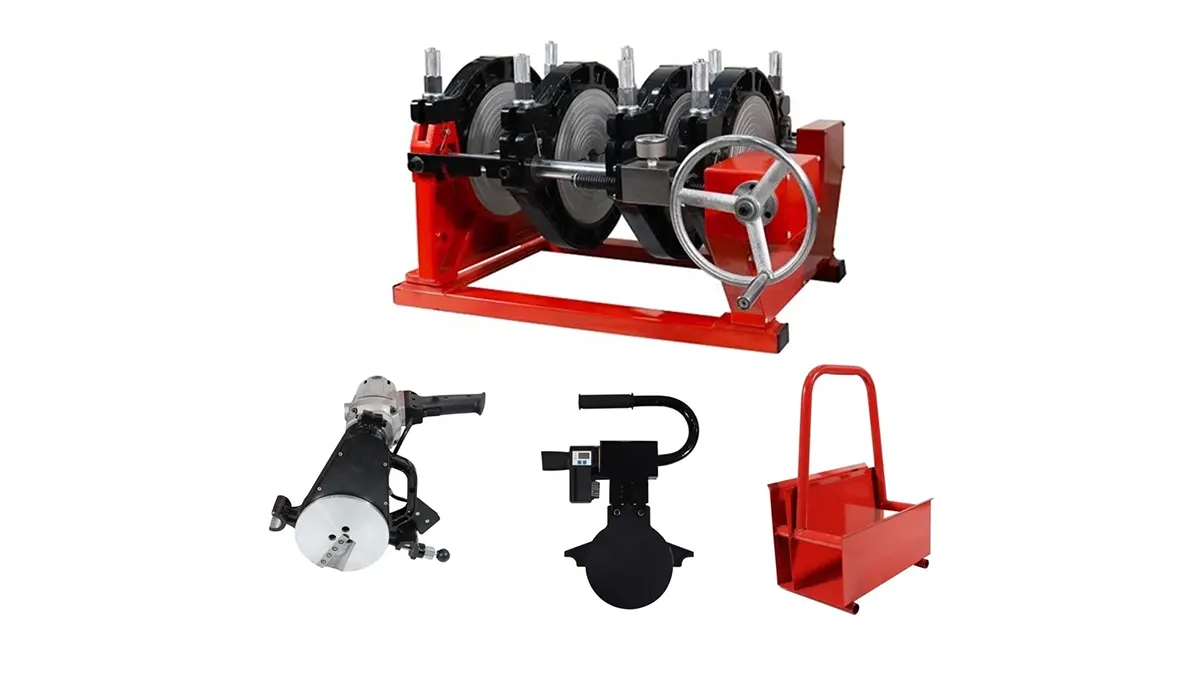
Manual Butt Fusion Machines – Best for small contractors, repair teams and rural installations. Easy to transport and maintain.
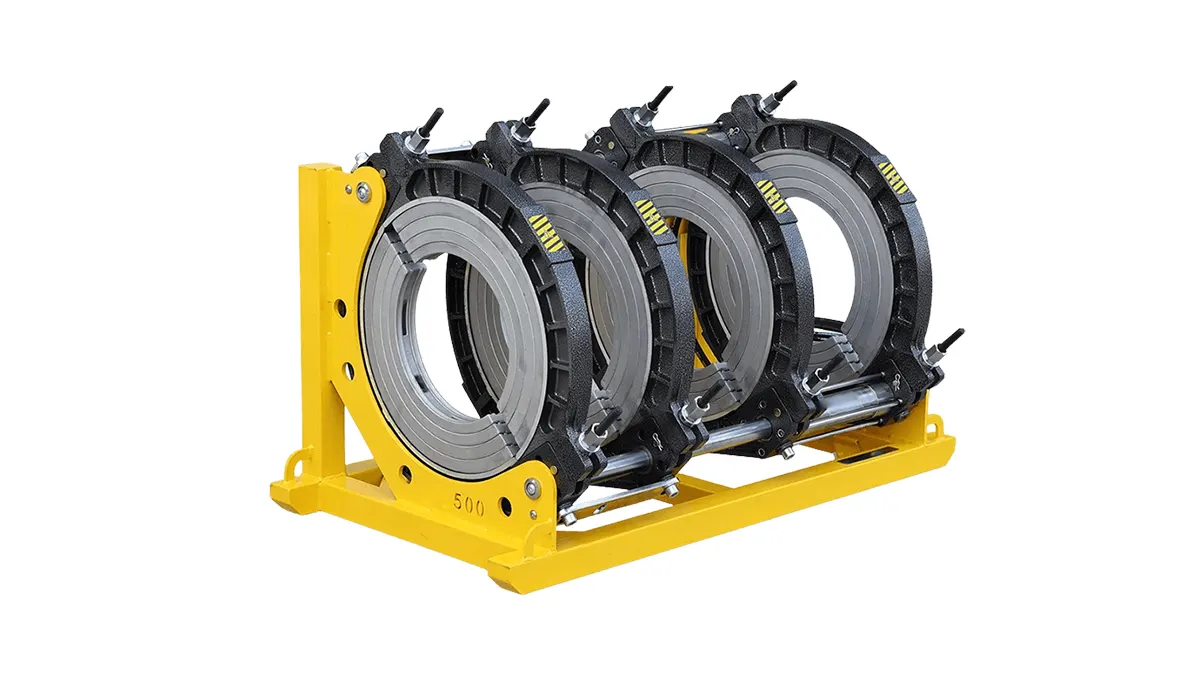
Hydraulic Butt Fusion Machines – Preferred for medium to large projects such as township water distribution and industrial pipelines due to faster operation and consistent pressure control.
Automatic / CNC Butt Fusion Machines – Ideal for high-volume or long-run projects where weld traceability, repeatability and data logging are required.
Electrofusion Machines – Useful for fittings and repairs, especially where mechanical access is limited or for connecting PE fittings.
Model Comparison (Practical Examples)
| Model | Type | Pipe Range | Best For |
|---|---|---|---|
| JQM-4M | Manual Butt Fusion | 20mm – 315mm | Small contractors, rural repairs |
| JQH500 | Hydraulic Butt Fusion | 63mm – 500mm | Municipal lines, irrigation projects |
| JQA250 (example automatic) | Automatic / CNC | 63mm – 250mm | High-volume trunk mains, projects needing data logging |
How to Choose the Best Machine for Your Kenyan Project
1. Map the project scope: Estimate daily welds and total pipeline length—higher volumes favor hydraulic or automatic machines.
2. Check local support: Prioritize suppliers or distributors who can provide timely spare parts and technical training near Nairobi, Mombasa or Kisumu.
3. Confirm power options: For remote sites, ensure the unit can run with generators or has low electrical demand.
4. Evaluate portability: Road conditions in some areas make compact, rugged frames valuable for site mobility.
5. Consider certifications: Look for machines that comply with international welding standards and provide traceable weld reports if needed by contractors or funders.
Maintenance & Training Tips for Kenyan Operators
Routine checks: Keep heaters, heaters plates and clamps clean; verify pressure gauges and hydraulic oil condition regularly.
Operator training: Invest in basic butt fusion certification for welders to improve joint quality and reduce rework costs.
Spare parts kit: Carry common spares (heating elements, blades, gaskets) on larger projects to avoid downtime.
Final Practical Advice
For most Kenyan applications, a well-built hydraulic machine (for reliability and speed) or a high-quality manual unit (for flexibility and low cost) will provide the best return on investment. Match the machine capacity to the largest pipe diameter you plan to weld, verify local service options, and ensure operators are trained in butt fusion procedures to get durable, leak-free pipelines that stand up to Kenya’s varied site conditions.



