
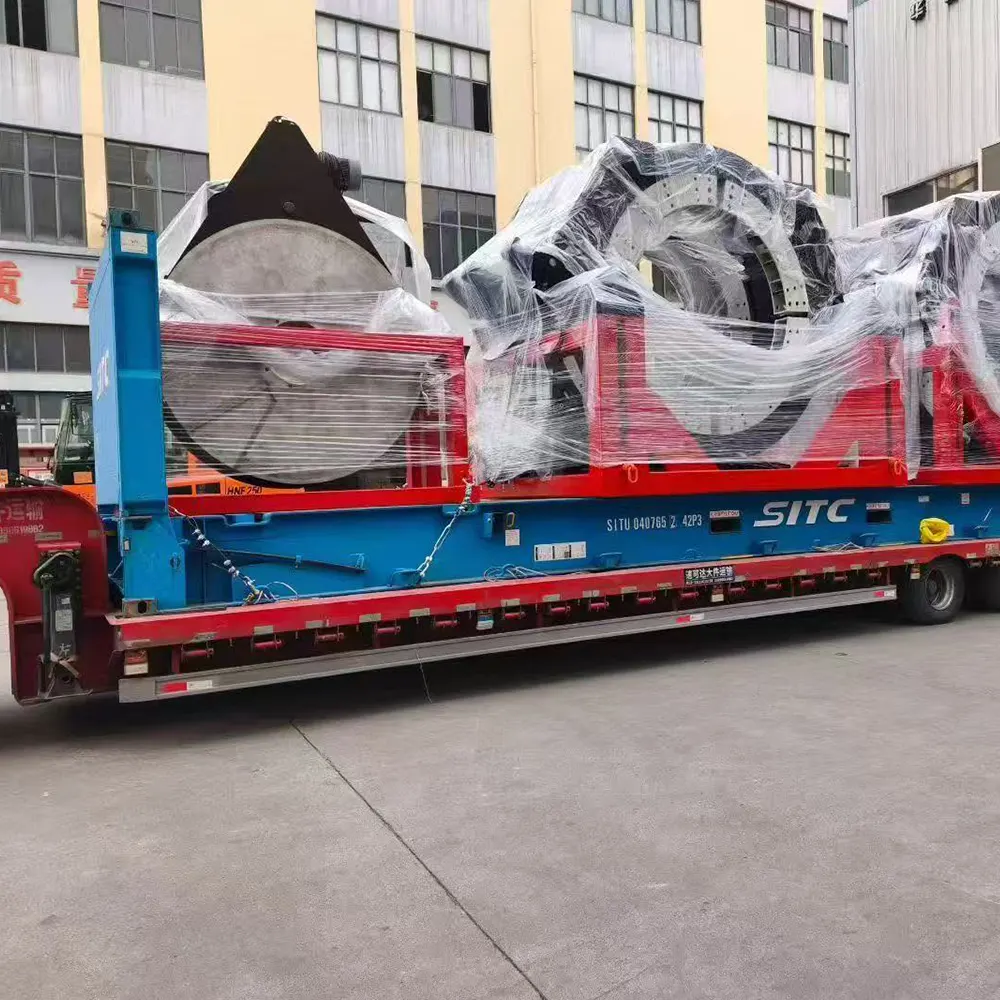
When people search for a butt fusion machine, they are often trying to understand the role of each component inside the welding system. One of the most important parts is the fusion welding heater plate. It may look simple at first glance, but in practice, it is the heart of the heating process. Without accurate heating, strong molecular fusion cannot happen, and the pipe joint may fail under pressure, temperature change, or long-term service conditions.
The function of a fusion welding heater plate is to provide stable, even, and controlled heat to the pipe ends before they are joined together. In butt fusion welding, two thermoplastic pipe ends are heated until they reach the proper melting state. Then the heater plate is removed, and the softened surfaces are pressed together under precise force. As the material cools, the two ends become one continuous pipe system. This process is widely used in water supply, gas distribution, mining, and industrial pipeline projects, where joint reliability is essential.
What the Heater Plate Actually Does
The heater plate’s main job is not simply to “make things hot.” It is designed to deliver a controlled temperature that allows the pipe surface to soften evenly without burning, deforming, or overheating. A quality plate must maintain temperature accuracy across the entire heating surface so that both pipe ends receive the same thermal treatment. This consistency is critical because uneven heating can cause weak welds, poor alignment, or internal stress in the final joint.
Key point: the fusion welding heater plate creates the exact heat needed for molecular bonding, which is what gives butt fusion joints their high strength and long service life.
Why Heat Control Matters
In fusion welding, temperature control is everything. If the heater plate is too cool, the pipe ends will not soften enough, and fusion will be incomplete. If it is too hot, the pipe material may degrade, lose strength, or form a damaged surface layer. Both conditions reduce the quality of the joint. That is why professional welding equipment uses carefully designed heater plates with reliable temperature regulation and durable heating surfaces.
For contractors and distributors who work on large pipeline projects, consistent heat control also improves productivity. A stable heater plate reduces rework, lowers material waste, and helps crews complete more joints efficiently. In real construction environments, especially where schedules are tight, this can make a major difference in project delivery.
The Heating Process in Butt Fusion Welding
The function of the heater plate becomes clear when you look at the full welding cycle. First, the pipe ends are clamped and aligned in the machine. Then the heater plate is inserted between the pipe faces. Heat transfers into the pipe material until a proper melt bead forms. At this stage, the material is plasticized, not fully liquefied. The operator then removes the plate quickly and brings the pipe ends together with controlled pressure.
This sequence is simple in concept but highly dependent on precision. The heater plate must reach working temperature quickly and remain stable throughout repeated cycles. It must also have a surface finish that supports clean heat transfer and minimizes sticking or contamination. In other words, the heater plate is both a thermal tool and a quality-control component.
Important: a high-quality heater plate supports uniform melting, smooth bead formation, and dependable fusion strength.
Core Functions of a Fusion Welding Heater Plate
1. Provides uniform heating: The heater plate spreads heat evenly across the pipe contact area so both ends soften at the same rate.
2. Ensures proper melting depth: It helps the pipe reach the right surface condition for molecular bonding without overheating the internal structure.
3. Supports strong joint formation: By preparing the pipe ends correctly, it makes it possible for the molten surfaces to fuse into one solid connection.
4. Improves welding consistency: Stable heating reduces variation between joints, which is especially important in large-scale infrastructure projects.
5. Increases operational efficiency: A reliable heater plate shortens downtime, improves workflow, and helps operators maintain predictable welding quality.
What Makes a Good Heater Plate
A good fusion welding heater plate must combine thermal stability, surface durability, and ease of use. The surface should resist wear and maintain clean contact over long periods of operation. The heating elements inside must provide accurate temperature output, while the overall structure should be robust enough for repeated industrial use. In many professional systems, the heater plate is paired with a hydraulic or automatic control unit to improve precision.
For a manufacturer with extensive pipeline welding experience, such as JQ-Fusion, heater plate performance is closely linked to the reliability of the entire butt fusion system. Modern production, strict quality testing, and careful temperature inspection all contribute to stable welding results in demanding field conditions.
Good heater plates are built for: accurate temperature control, even heat distribution, long service life, and dependable performance in repeated welding cycles.
Applications in Real Projects
Fusion welding heater plates are used in many industries where plastic pipe systems must remain leak-free and structurally strong. Water supply systems rely on them for clean and durable joints. Gas distribution networks need them for safety and long-term sealing performance. Mining projects depend on them because harsh environments demand tough and stable pipe connections. Industrial pipelines also benefit from their precision, especially where chemical resistance or pressure resistance is important.
Because these projects often involve different pipe diameters, working environments, and installation conditions, heater plates must be compatible with a wide range of machine types. This is why manufacturers offer models for manual, hydraulic, and CNC automatic butt fusion welding machines. Each type uses the heater plate to perform the same essential function, but with different levels of automation and control.
How JQ-Fusion Supports Welding Performance
As a professional manufacturer specializing in HDPE pipe welding equipment, JQ-Fusion focuses on delivering reliable solutions for global pipeline projects. With more than 20 years of experience, the company produces manual, hydraulic, and CNC automatic butt fusion welding machines that are built for stable performance and long service life. This experience is important because heater plate quality cannot be separated from the machine that supports it.
The company’s manufacturing system includes modern production lines, precision machining, and strict testing procedures. Temperature accuracy, hydraulic pressure stability, and clamp alignment are checked carefully to help ensure that the heater plate performs correctly in real welding jobs. For buyers who need customized equipment, OEM and ODM services also make it easier to adapt machine size, voltage, design, branding, and configuration to specific project requirements.
To learn more about product categories and machine solutions, you can explore the butt fusion machine product range and see how heater plate performance fits into the wider welding system.
Maintenance and Handling Tips
Even the best heater plate needs proper handling. The surface should be kept clean to avoid contamination that may affect heat transfer. Operators should verify temperature settings before each welding session and allow the heater plate to stabilize before use. After operation, the plate should cool naturally and be stored safely to prevent damage to the coating or heating elements.
Regular inspection is also important. If the plate shows uneven heating, surface damage, or abnormal temperature fluctuation, it may no longer provide the quality needed for reliable fusion. In industrial settings, preventative maintenance is often the difference between steady production and costly repair work.
Why This Small Part Has a Big Impact
Although it is only one part of the machine, the fusion welding heater plate has a major influence on weld quality, project efficiency, and pipeline safety. A strong butt fusion joint depends on proper heat, precise timing, and clean pressure application. If the heating stage is wrong, the entire joint is compromised. That is why experienced contractors pay close attention not only to the welding machine itself, but also to the condition and performance of the heater plate.
The best heater plates support stable results across repeated operations, making them essential for contractors, engineers, and distributors who need trustworthy equipment. In demanding projects, reliability is not optional. It is the foundation of long-term pipeline performance.
Frequently Asked Questions
Q1: What is the main function of a fusion welding heater plate?
It provides controlled heat to soften pipe ends so they can fuse together into one strong joint.
Q2: Why is temperature accuracy important?
Accurate temperature ensures proper melting without burning or underheating the pipe material.
Q3: Can a heater plate affect weld strength?
Yes. Poor heating can weaken the fusion bond, while stable heating helps create a durable, leak-resistant joint.
Q4: How often should a heater plate be checked?
It should be inspected regularly, especially before major welding work, to ensure clean surfaces and stable temperature output.
Q5: What industries use fusion welding heater plates?
They are widely used in water supply, gas distribution, mining, and industrial pipeline installations.



